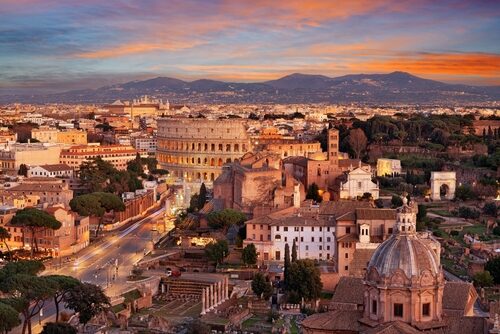
Spread across seven storied hills along the banks of the Tiber, Rome is a city where nearly three thousand years of history live in the open air. The capital of Italy and the once-mighty heart of the Roman Empire, the "Eternal City" is at once an ancient wonder, an open-air museum, and a thoroughly modern Mediterranean capital.
From the towering arches of the Colosseum and the marble ruins of the Roman Forum to the dome of St. Peter's Basilica and Michelangelo's Sistine Chapel ceiling, Rome layers civilization upon civilization. Between the monuments, life unfolds in sun-warmed piazzas, fountain-splashed squares, and family trattorias serving recipes handed down for generations.
This Rome travel guide highlights the best things to do in Rome, its top attractions, dining recommendations, luxury hotels, day trips, and practical travel tips to help you plan an unforgettable visit. Travelers can experience the Eternal City via a luxury Mediterranean cruise, an upscale escorted tour, or a relaxed city stay.
Best Things to Do in Rome
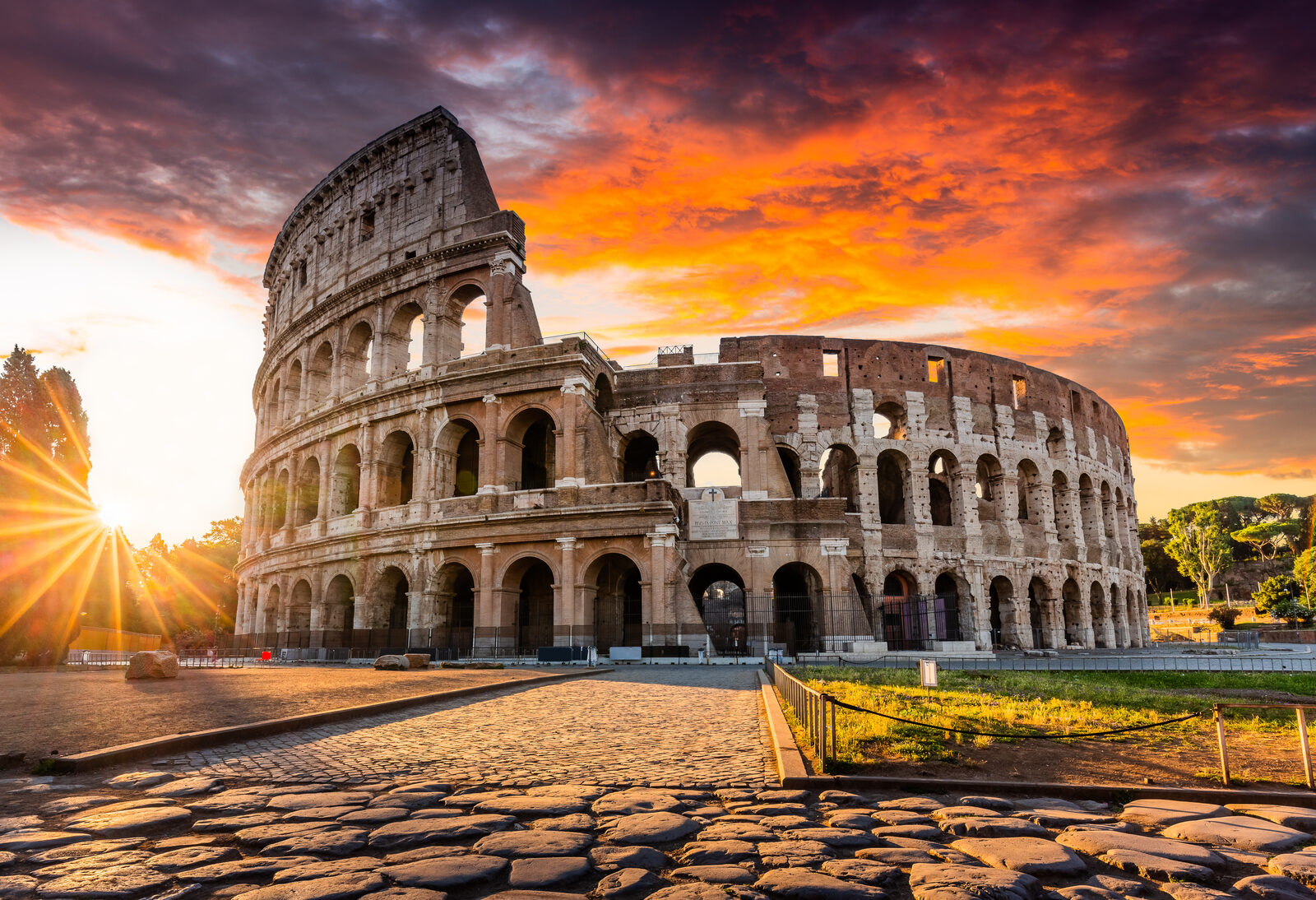
The Colosseum
No symbol of Rome is more instantly recognizable than the Colosseum. Completed around A.D. 80, this colossal stone-and-concrete amphitheater could seat tens of thousands of spectators who gathered to watch gladiatorial contests, wild-animal hunts, and grand public spectacles.
Today this UNESCO World Heritage Site still astonishes with its tiered arcades and the exposed network of tunnels and chambers beneath the arena floor. Book a timed-entry ticket in advance, and consider a guided tour that includes access to the underground hypogeum or the upper levels for sweeping views.
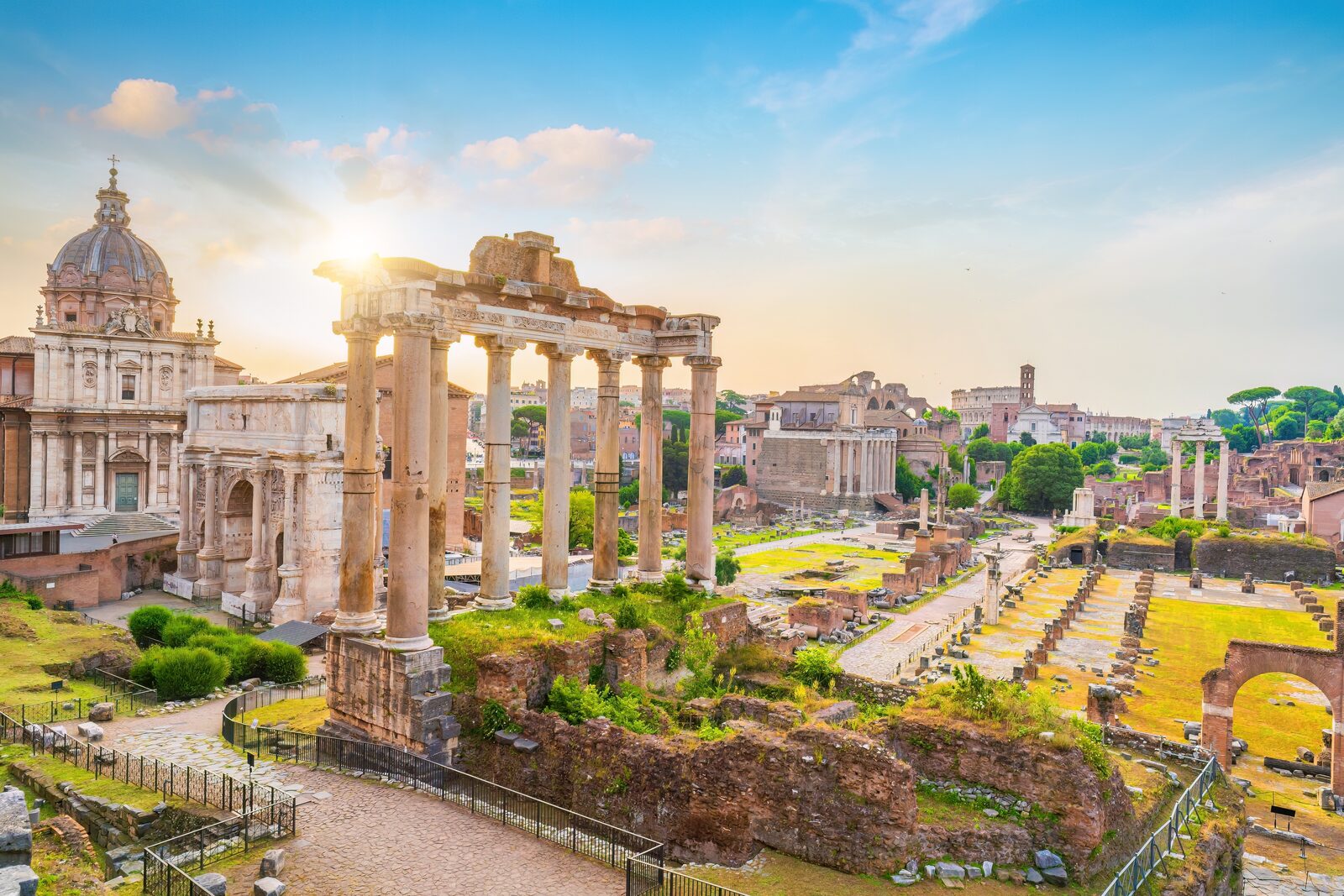
The Roman Forum & Palatine Hill
A short walk from the Colosseum, the Roman Forum was the beating civic heart of the ancient city — the place where Romans gathered to trade, worship, argue politics, and celebrate military triumphs. Wandering its avenue of fallen columns, triumphal arches, and temple foundations is like stepping straight into the classical world.
Rising above the Forum is the Palatine Hill, the legendary birthplace of Rome and once the address of emperors and aristocrats. From its gardens and palace ruins, travelers enjoy some of the finest panoramic views in the city. A single ticket typically combines the Colosseum, Forum, and Palatine.
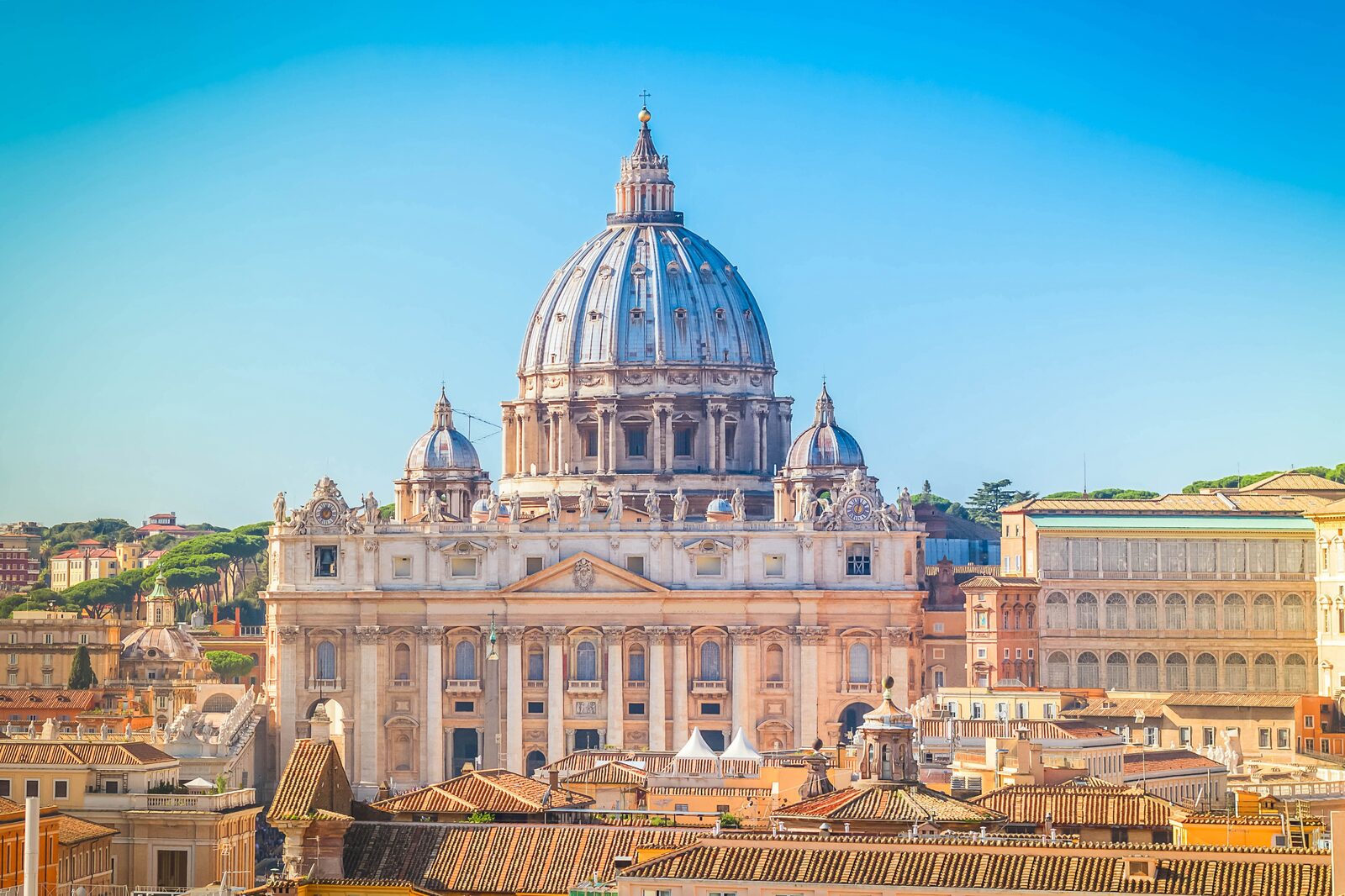
Vatican City: St. Peter's Basilica, the Sistine Chapel & Vatican Museums
Enclosed within Rome but a sovereign nation in its own right, Vatican City is the world's smallest independent country and the spiritual center of the Roman Catholic Church. At its heart stands St. Peter's Basilica, a Renaissance masterpiece crowned by Michelangelo's soaring dome. Inside, don't miss his sublime Pietà, and consider climbing to the cupola for unforgettable views over St. Peter's Square.
The Vatican Museums hold one of the greatest art collections on Earth, a procession of galleries that culminates in the Sistine Chapel. Here, Michelangelo's monumental ceiling and his Last Judgment leave most visitors speechless. Reserve timed tickets well in advance, and dress modestly, as shoulders and knees should be covered.
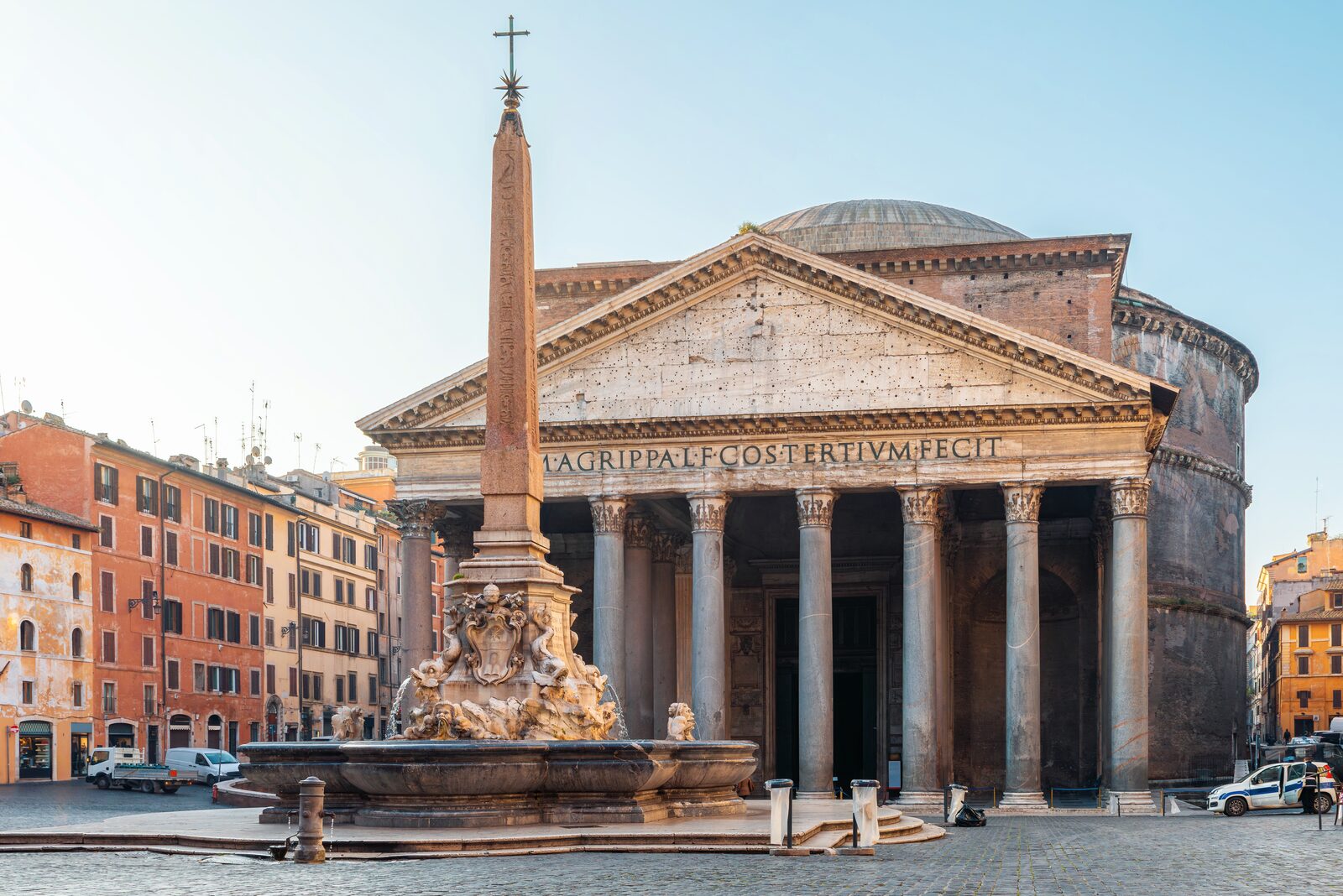
The Pantheon
Among the best-preserved monuments of antiquity, the Pantheon has stood for nearly two thousand years — an architectural marvel that still inspires awe. Originally a Roman temple to all the gods and later consecrated as a church, it survives remarkably intact.
Step inside and look up: the vast coffered dome, still the largest unreinforced concrete dome in the world, is pierced at its center by the oculus, an open eye to the sky that bathes the interior in shifting natural light. The Pantheon is also the resting place of the painter Raphael and several Italian kings.
The Trevi Fountain
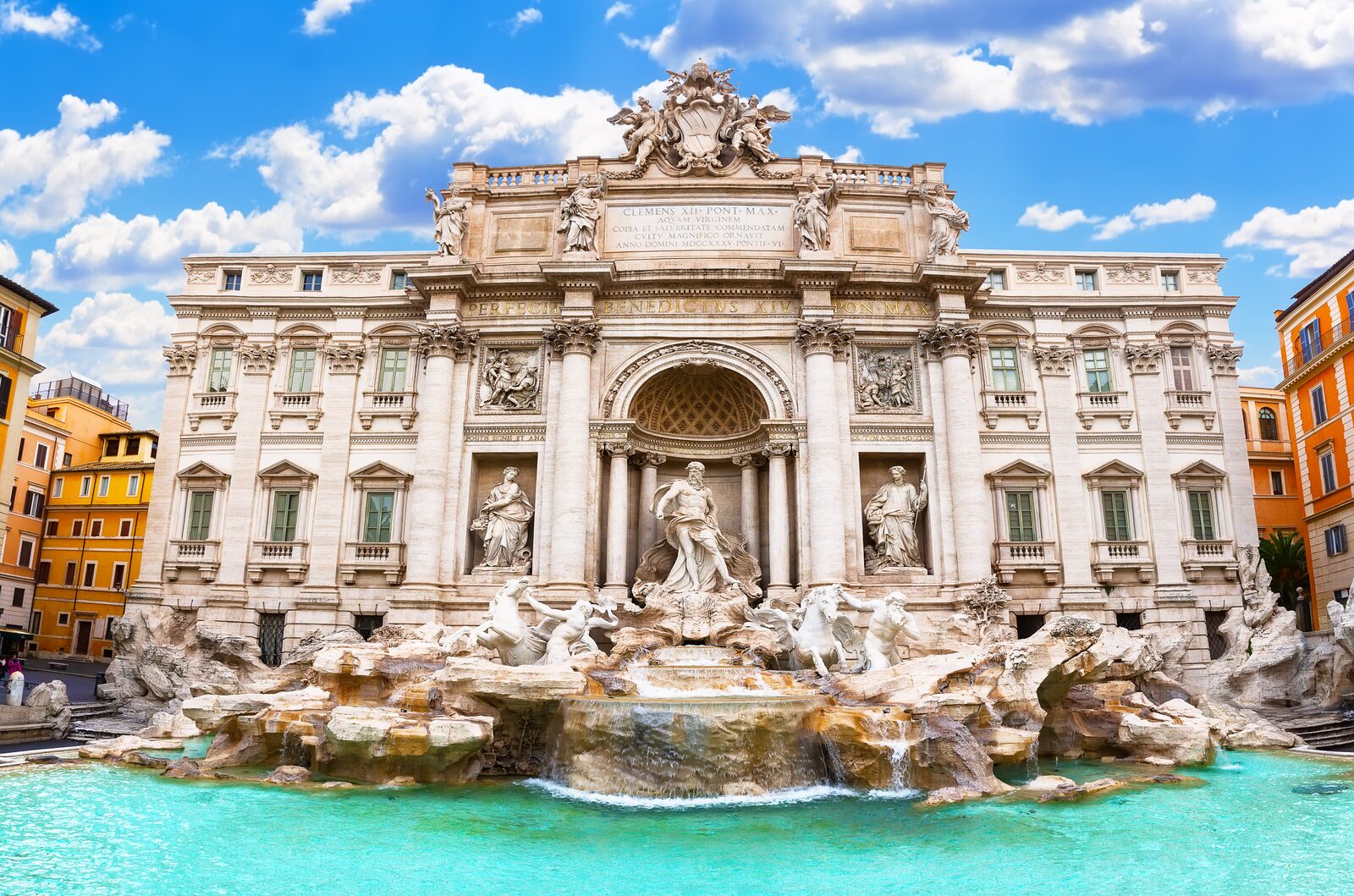
Tucked into a small square where three streets meet, the Trevi Fountain is the most theatrical of Rome's many fountains — a gleaming Baroque tableau of the sea god Oceanus, rearing horses, and tritons spilling into a wide basin of turquoise water.
Tradition holds that tossing a coin over your shoulder into the fountain guarantees a return to Rome. The crowds are thickest at midday, so arrive early in the morning or late in the evening, when the floodlit marble takes on a special glow.
Piazza Navona, the Spanish Steps & Trastevere
Some of Rome's greatest pleasures cost nothing at all. Elegant Piazza Navona, built atop an ancient stadium, centers on Bernini's dramatic Fountain of the Four Rivers and buzzes with cafés, artists, and street performers. Nearby, the Spanish Steps sweep up from Piazza di Spagna to a hilltop church — a favorite spot to people-watch and admire the view.
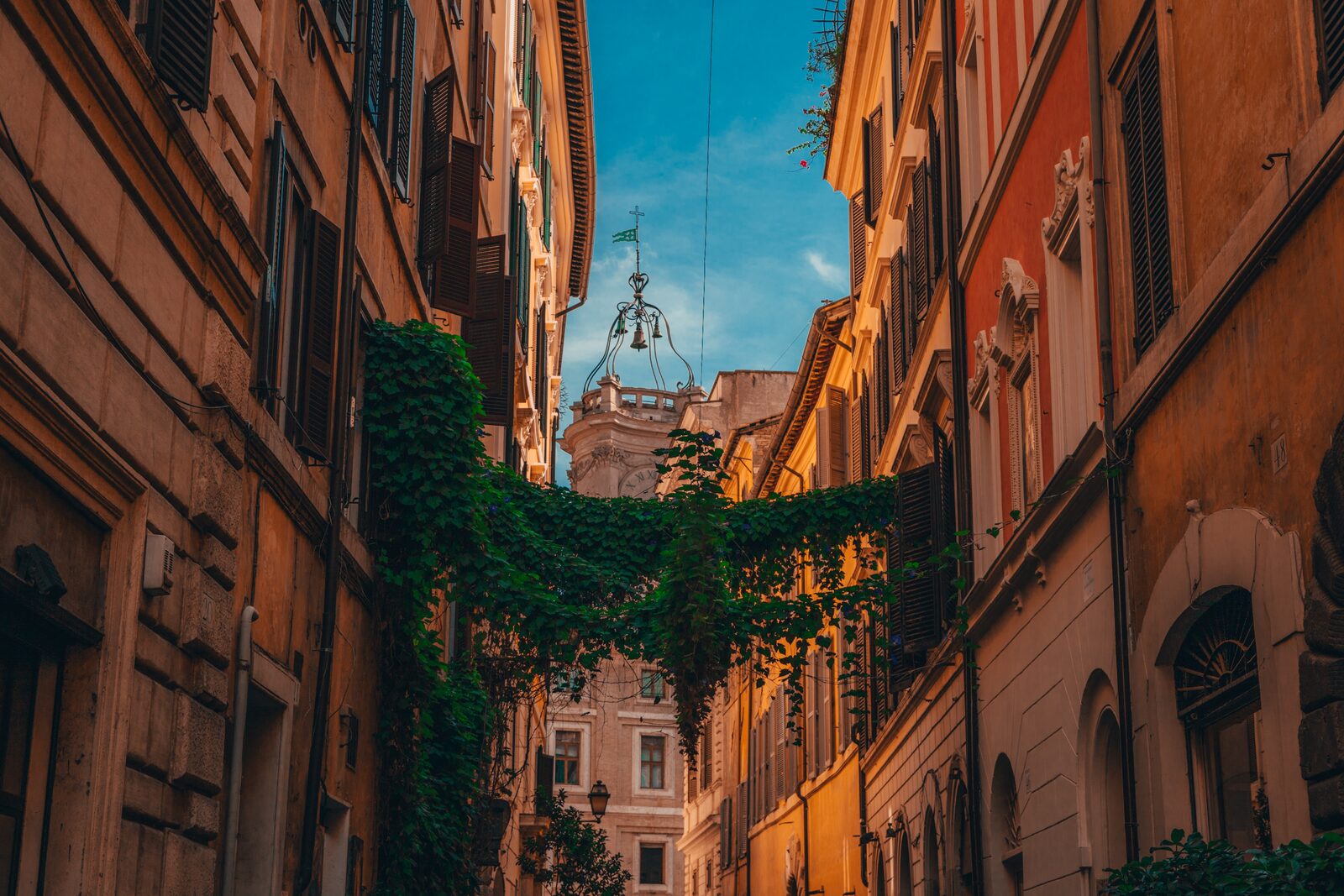
Across the Tiber, the Trastevere neighborhood trades grand monuments for cobblestone lanes, ivy-draped façades, and a village-like charm. By day it's sleepy and photogenic; by evening its trattorias and wine bars come alive, making it one of the most beloved places in the city for an unhurried Roman dinner.
Rome's headline sights sell out, so book the Colosseum, the Vatican Museums, and the Borghese Gallery online well before you arrive — the Borghese in particular admits visitors only in timed slots. Start your sightseeing early, when the light is soft and the crowds are thin, then retreat for a long Roman lunch during the hottest hours.
The historic center is wonderfully walkable, so pack comfortable shoes for the cobblestones, carry a refillable bottle to top up at the city's free nasoni drinking fountains, and keep a light scarf handy to cover your shoulders when visiting churches.
Where to Eat in Rome
Roman cooking is famously simple, seasonal, and deeply satisfying — built on humble ingredients transformed into unforgettable dishes. From a steaming bowl of pasta in a back-street trattoria to a scoop of artisanal gelato on an evening stroll, dining is one of the city's great joys. Here's a taste of the flavors and places that define the Roman table.
The Roman Pasta Trinity
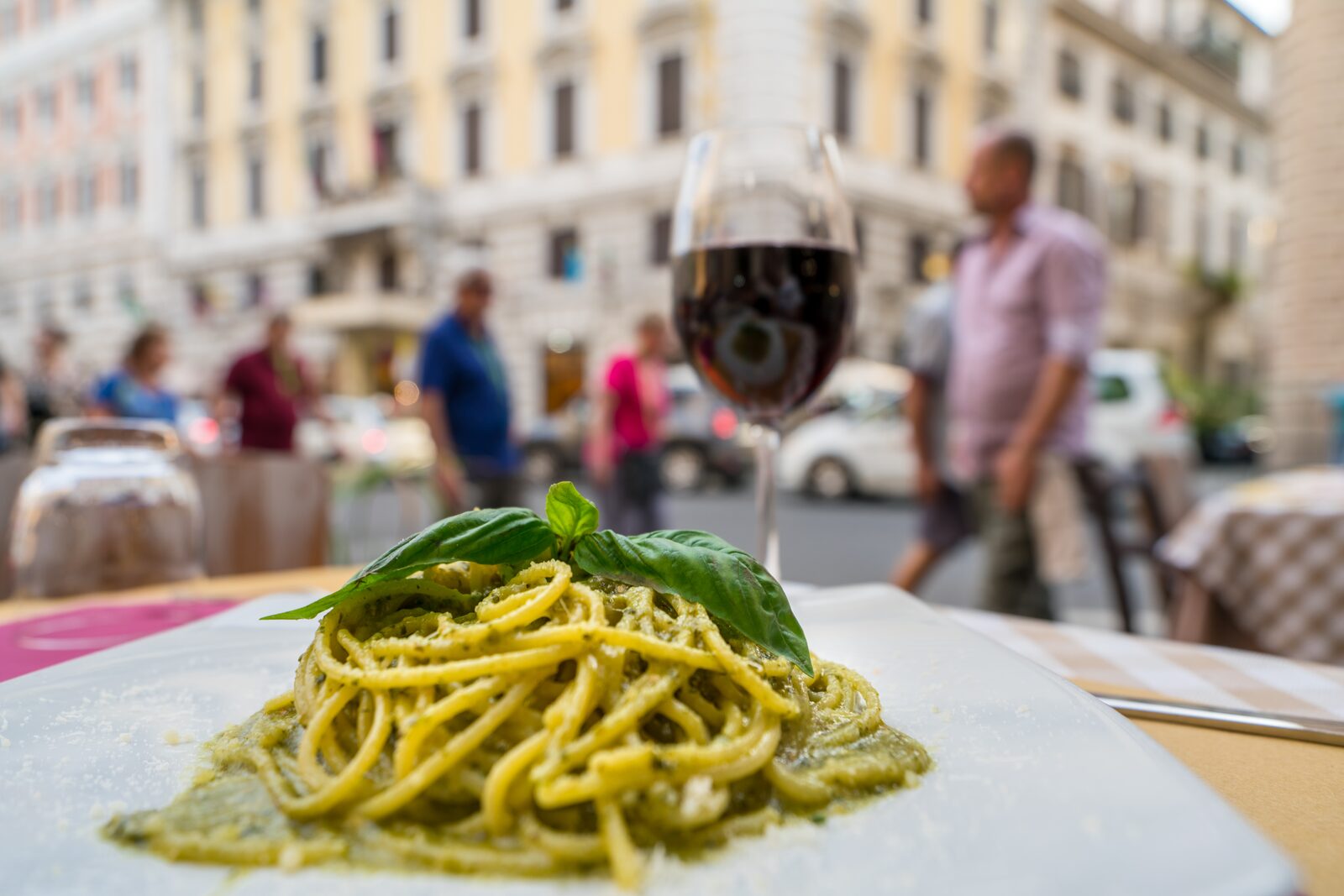
Three dishes define Roman pasta: cacio e pepe (pecorino cheese and cracked black pepper), spaghetti alla carbonara (egg, guanciale, and pecorino — never cream), and bucatini all'amatriciana (tomato, guanciale, and pecorino). Order any of them in a traditional trattoria and you'll understand why Romans are so devoted to their cucina.
Supplì & Roman Pizza
For a quick bite, reach for supplì — crisp fried rice croquettes with a molten mozzarella center — or grab a slab of pizza al taglio, Roman pizza sold by the cut and weight. For a sit-down meal, the thin, blistered, ultra-crisp pizza romana is a local institution.
Gelato
No Roman evening is complete without gelato. Seek out artisanal gelaterie that make their own in small batches, favor natural colors and seasonal flavors, and store their gelato in covered tubs rather than towering, neon-bright mounds. A passeggiata (evening stroll), cone in hand, is a quintessential Roman ritual.
Campo de' Fiori Market
By morning, the lively square of Campo de' Fiori fills with stalls of fruit, vegetables, cheeses, cured meats, olive oil, and spices — a colorful window into how Romans shop and eat. It's a wonderful spot to assemble a picnic, sample local products, and soak up the everyday rhythm of the city.
Testaccio & Roman Tradition
The Testaccio neighborhood is the soul of old culinary Rome, home to a bustling food market and trattorias serving robust traditional dishes. Adventurous eaters can explore the city's cucina povera roots, while everyone enjoys the area's authentic, unfussy atmosphere.
Michelin-Starred Dining
Rome also shines at the highest end. La Pergola, the rooftop restaurant of chef Heinz Beck, holds three Michelin stars and remains the city's most celebrated fine-dining destination, pairing refined Mediterranean cuisine with sweeping views. Among the city's one-star tables, refined spots such as Per Me Giulio Terrinoni showcase contemporary Roman cooking.
Best Day Trips from Rome
Rome makes an ideal base for exploring central and southern Italy. With fast trains and easy drives, ancient ruins, Renaissance cities, hilltop towns, and vineyard country are all within reach for a memorable day away from the capital.
Pompeii, Naples & the Amalfi Coast
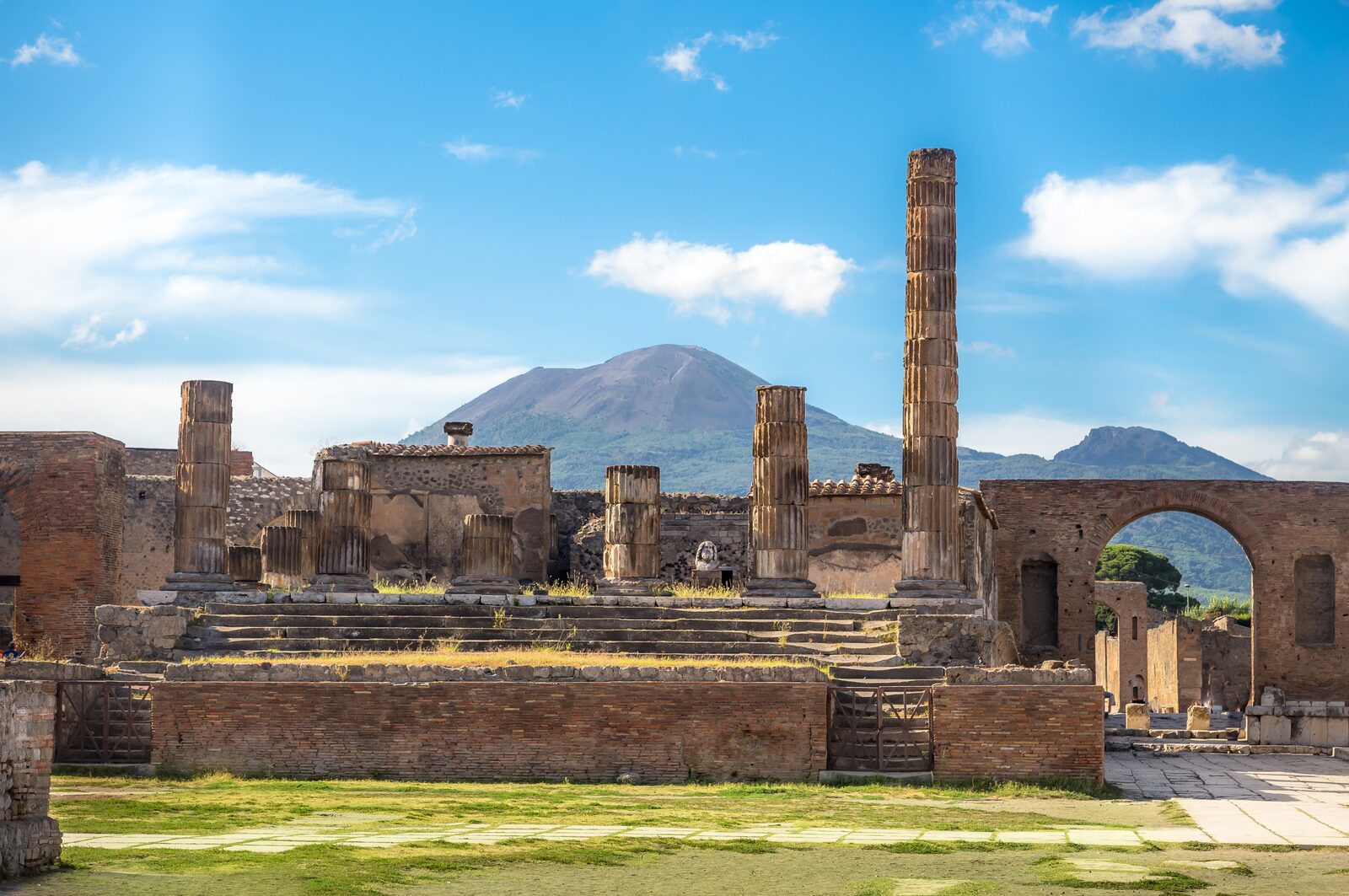
To the south, the ruins of Pompeii lie frozen in time beneath the shadow of Mount Vesuvius, which buried the Roman city in A.D. 79. Pompeii pairs naturally with vibrant Naples — birthplace of pizza — and the dramatic, cliff-hugging villages of the Amalfi Coast, making for an unforgettable, if full, day or an easy overnight extension.
Tivoli: Villa d'Este & Hadrian's Villa
About an hour east of Rome, the hill town of Tivoli holds two UNESCO World Heritage Sites. The Renaissance Villa d'Este dazzles with terraced gardens and hundreds of fountains, while the sprawling ruins of Hadrian's Villa reveal the lavish countryside retreat of one of Rome's most cultured emperors.
Ostia Antica
Often called Rome's "other Pompeii," Ostia Antica is the remarkably preserved ancient port of Rome, just a short train ride from the city. Wander its streets, theater, baths, and warehouses for a vivid, far less crowded glimpse of daily Roman life.
Florence
High-speed trains whisk travelers from Rome to Florence in roughly an hour and a half, putting the cradle of the Renaissance within day-trip reach. Marvel at the Duomo, cross the Ponte Vecchio, and admire masterpieces by Michelangelo and Botticelli before returning to Rome by evening.
Orvieto
Perched dramatically atop a tufa cliff in Umbria, the medieval town of Orvieto is crowned by one of Italy's most spectacular Gothic cathedrals. Below ground lies a labyrinth of ancient caves and tunnels, and the surrounding hills produce the crisp white wine that bears the town's name.
The Castelli Romani Wine Towns
In the volcanic Alban Hills just southeast of Rome, the Castelli Romani are a cluster of charming wine towns — among them Frascati and Castel Gandolfo, the latter overlooking a serene crater lake. Romans have escaped here for centuries to enjoy lakeside views, local white wines, and relaxed countryside dining.
Where to Stay in Rome: Four Luxury Hotels
Many travelers arrive in Rome to begin or conclude a luxury cruise or upscale escorted tour. Top Rome luxury hotels popular for pre- or post-cruise/tour stays include:
Hotel de Russie, a Rocco Forte Hotel
An elegant retreat between Piazza del Popolo and the Spanish Steps, celebrated for its tiered Secret Garden and refined, design-forward interiors.
Bvlgari Hotel Roma
A jewel-box address overlooking the Mausoleum of Augustus, blending Italian glamour with a serene spa and a coveted rooftop bar.
Hotel de la Ville, a Rocco Forte Hotel
Perched at the top of the Spanish Steps, this stylish hotel pairs sumptuous rooms with one of the city's most panoramic rooftop terraces.
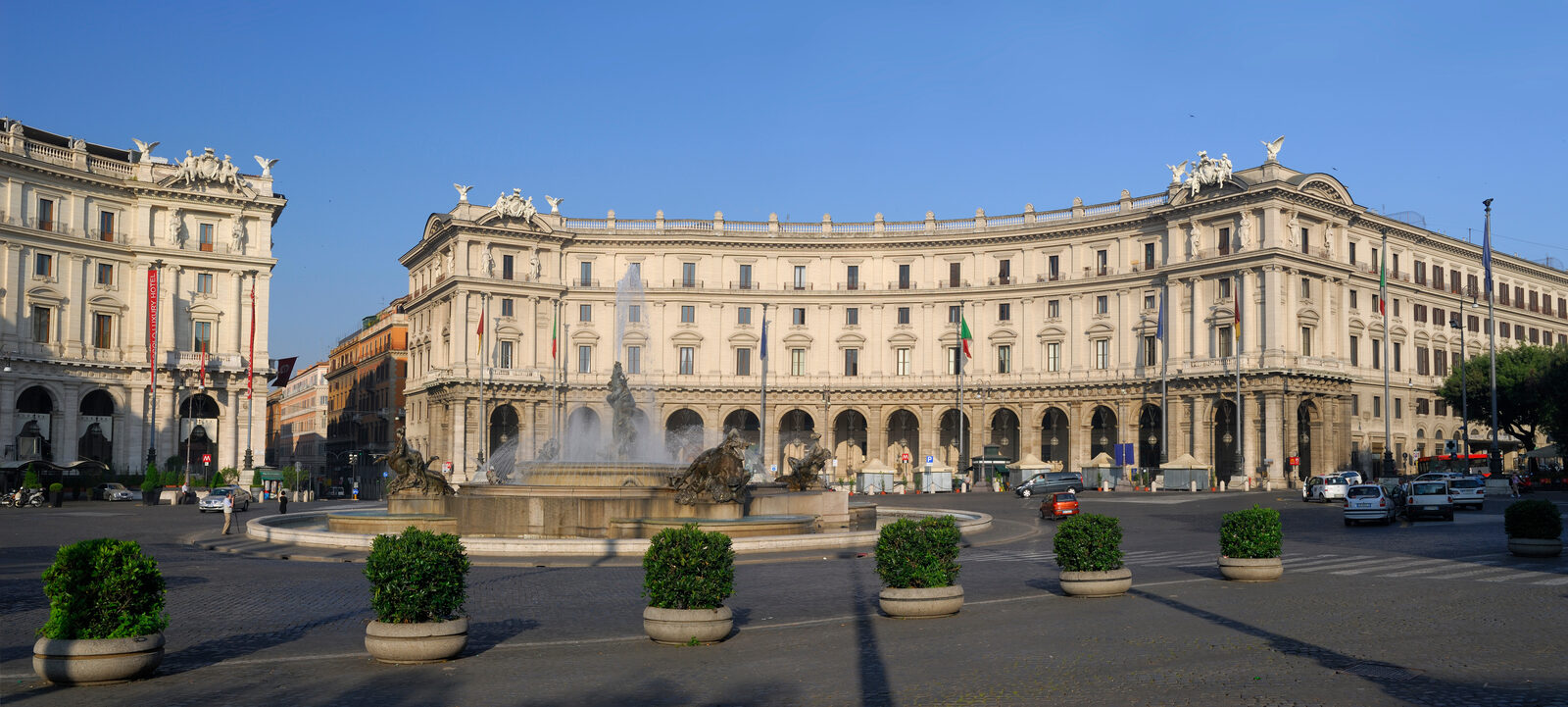
Anantara Palazzo Naiadi Rome
A grand neoclassical palace on Piazza della Repubblica, offering a rooftop pool and views over ancient Roman ruins in the heart of the city.
Stay at Rome's Finest Hotels — with Guaranteed VIP Perks
Booking a Rome hotel through Pavlus's SELECT Hotels & Resorts collection costs no more than the standard nightly rate — and every stay includes five guaranteed VIP amenities, plus one property-specific perk:
- $100 property credit
- Daily breakfast for two
- Room upgrade on arrival
- Early check-in / late check-out
- Complimentary Wi-Fi
Helpful Rome Resources
- Italian National Tourist Board — italia.it
- Rome Official Tourism Site — turismoroma.it
- Pavlus Travel & Cruise
Rome Travel Tips
Best Time to Visit Rome
Spring (April through June) and fall (September through October) are the most rewarding times to visit Rome, offering warm, comfortable weather and lighter crowds than the peak summer months. July and August can be hot and busy, while winter brings cooler days, fewer tourists, and a quieter, more atmospheric city.
How Many Days Should You Spend in Rome?
- With just one day, focus on a single area — pair the Colosseum and Roman Forum, or the Vatican and St. Peter's — and let the rest of the city reveal itself on foot.
- Two days covers the essentials, balancing ancient Rome with the Vatican and the great fountains and piazzas.
- Three to four days is the sweet spot, allowing time for the major sights without rushing, plus a leisurely meal in Trastevere.
- Five or more days lets you slow down, explore the museums in depth, and add a day trip or two beyond the city.
Is Rome Safe for Tourists?
Rome is generally a safe city for visitors. The main concern is pickpocketing in crowded tourist areas and on busy public transport, so keep an eye on your belongings around major attractions, in packed buses and metro cars, and near the train stations. Standard big-city common sense goes a long way.
How Can Visitors Get Around Rome?
The historic center is compact and best explored on foot, with many of the top sights within walking distance of one another. For longer distances, Rome has a metro, an extensive bus and tram network, and readily available taxis. A multi-day transport pass can be convenient, and ride-hailing apps operate in the city as well.
Getting There: How Do Travelers Reach Rome?
Travelers can reach Rome by air, by high-speed train from across Italy and Europe, or by cruise ship.
- Rome's main airport is Leonardo da Vinci–Fiumicino (FCO), with nonstop and direct flights from many U.S. cities. It sits about 30 minutes from the city center, connected by the Leonardo Express train, shuttles, taxis, and private transfers.
- High-speed trains link Rome with Florence, Naples, Milan, and beyond in a matter of hours, arriving at the central Roma Termini station.
- Rome's cruise port is Civitavecchia, roughly 50 miles (about an hour to 90 minutes) northwest of the city — a major Mediterranean embarkation and port-of-call hub.
- Tour operators and cruise lines may also offer guests airport-to-city (or port) transfers, depending on the itinerary and inclusions. Talk with your personal travel planner about the options based on your booking details.
Frequently Asked Questions About Rome
What is Rome best known for?
Rome is famous for its ancient monuments — the Colosseum, the Roman Forum, and the Pantheon — as well as Vatican City, the Trevi Fountain, Renaissance and Baroque art, and a celebrated cuisine. As the heart of the Roman Empire and the center of the Catholic Church, the "Eternal City" layers nearly three thousand years of history into a single, walkable destination.
Is Rome worth visiting?
Absolutely. Few cities pack so much into one place: world-changing history, masterpieces by Michelangelo and Bernini, lively piazzas, and some of Italy's most beloved food. Rome rewards both first-time visitors and seasoned travelers, and it pairs naturally with a Mediterranean cruise or an escorted tour of Italy.
Is Rome a good base for a Mediterranean cruise?
Yes. Rome's cruise port is Civitavecchia, one of the busiest embarkation and port-of-call hubs in the Mediterranean, located roughly 50 miles (about an hour to 90 minutes) northwest of the city center. Many cruise guests add a pre- or post-cruise land stay in Rome to explore the city at a relaxed pace before or after sailing.
What foods should I try in Rome?
Roman classics include cacio e pepe, spaghetti alla carbonara, and bucatini all'amatriciana, along with crispy supplì (fried rice balls), thin-crust Roman pizza, and artisanal gelato. Don't miss the city's markets and trattorias, and save room for an espresso or an aperitivo in a sunlit piazza.
What are the best day trips from Rome?
Popular day trips include Pompeii and Naples (gateway to the Amalfi Coast), Tivoli (Villa d'Este and Hadrian's Villa), the ancient port of Ostia Antica, the hill town of Orvieto, the Castelli Romani wine towns, and even Florence by high-speed train.
How many days should you spend in Rome?
Three to four days is the sweet spot for seeing the major sights without rushing. Two days covers the essentials, while five or more days allows for a slower pace, a deeper dive into the museums, and a day trip or two beyond the city.
What are the basics visitors need to know about language, currency and voltage?
Italian is the official language, though English is widely understood in tourist areas. The currency is the euro. Italy's electrical grid runs on 230V at 50 Hz, with Type C, F, and L plugs, so travelers from the United States will need a plug adapter (and, for some devices, a voltage converter).