
Explore the full Viking River fleet. Tap any ship to view staterooms, amenities, deck plans and exclusive Pavlus pricing. Questions first? Read our Viking River Cruises FAQs.
The name of the Viking Ganges derives from the Sanskrit word gaṅgā, meaning “river,” or “swift goer.” In India, the word is also associated with the Hindu goddess Ganga, who represents purity, life, spirituality and grace.
View Ship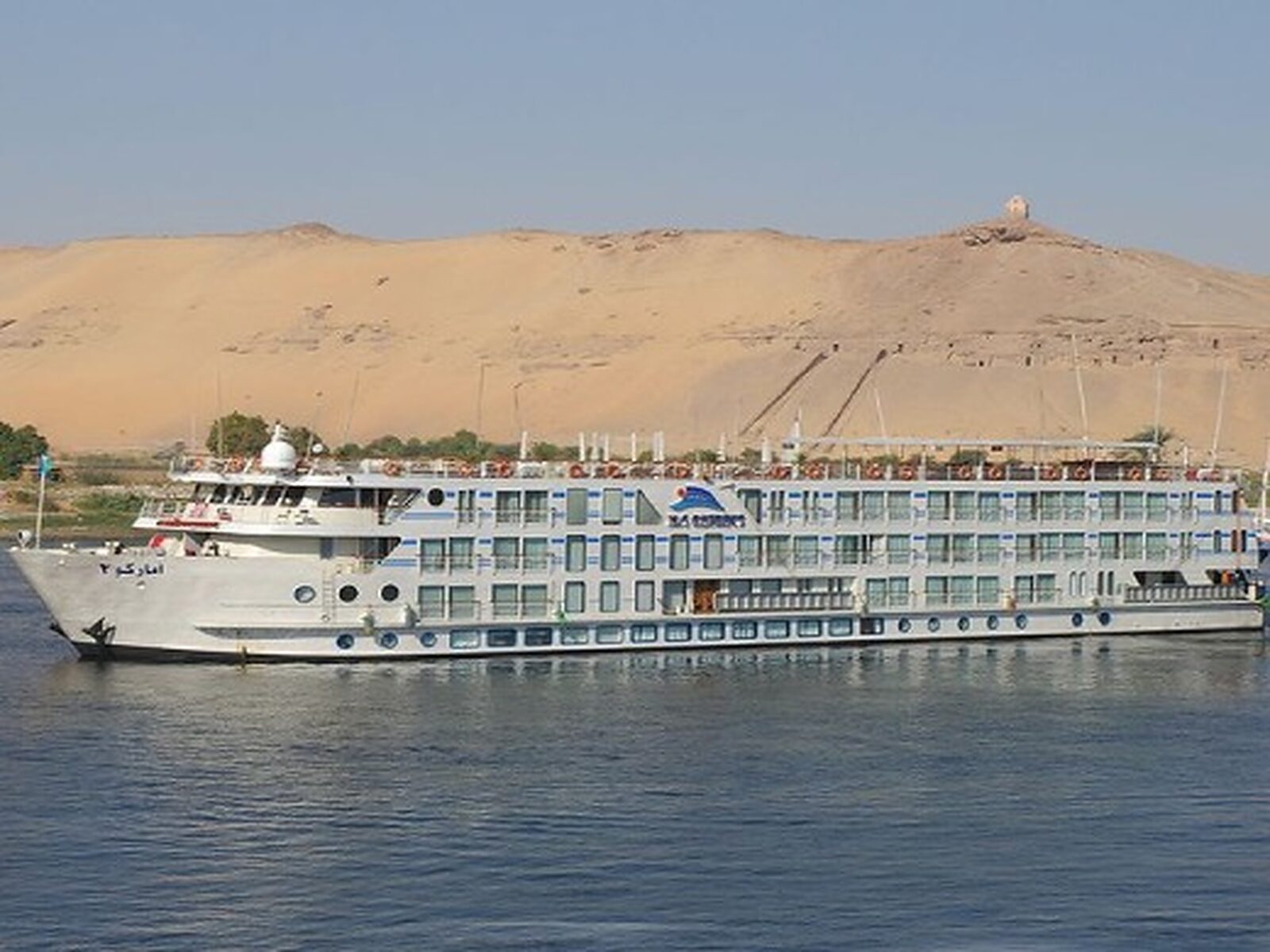
The Viking-operated MS Antares is a classic ship, your floating oasis as you immerse yourself in ancient Egypt. Specifically built to navigate the Nile, she is a spacious, state-of-the-art vessel with a refined, understated ambiance. Her spa facilities, Sun Deck, pool and revitalizing amenities provide a serene haven from which to explore this culturally rich destination. Accommodating just 62 guests, MS Antares offers the ultimate in comfort and relaxation.
View Ship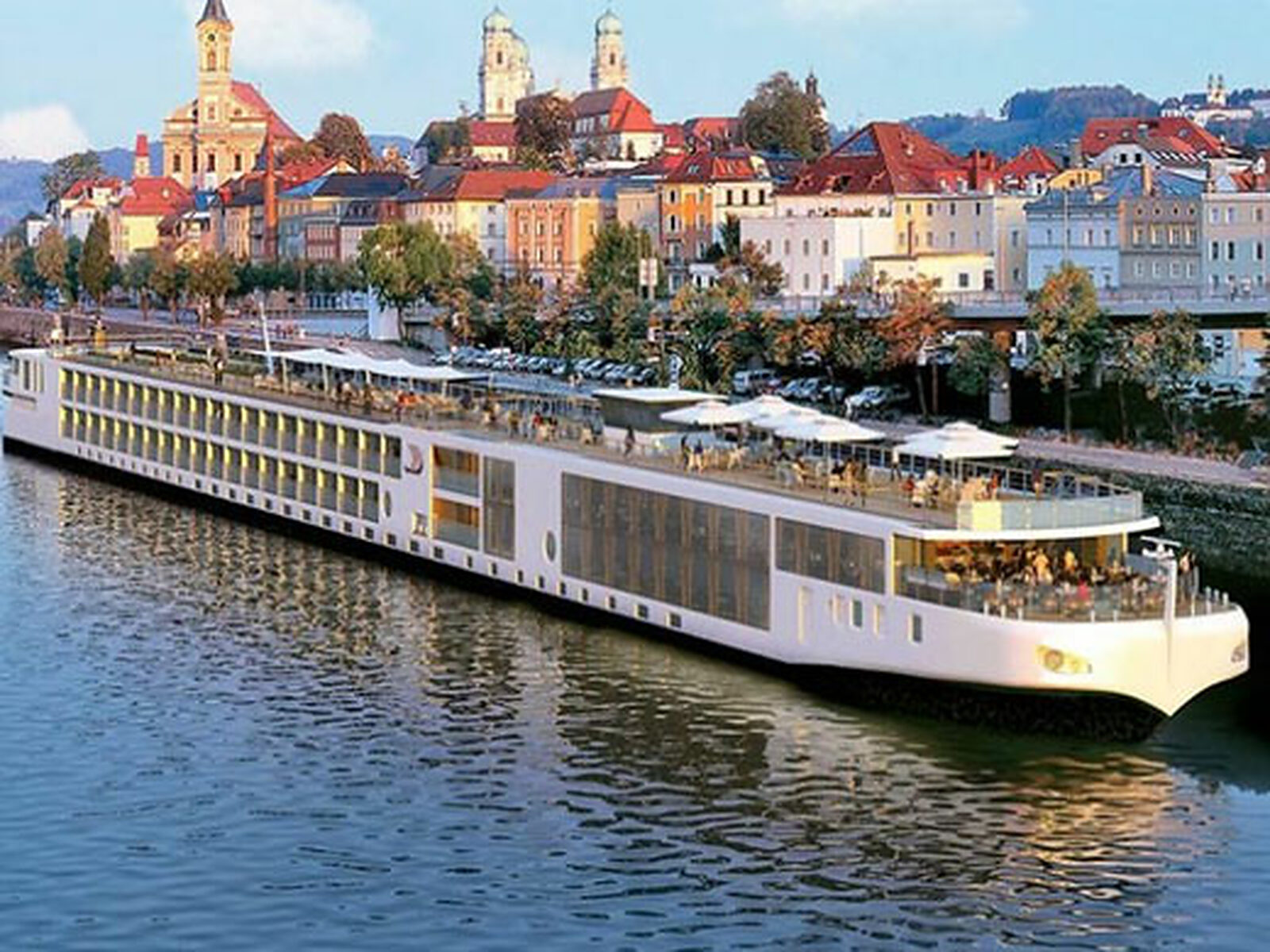
In Norse mythology, Aegir is the giant god of the sea, and he personifies the power of the ocean. The Vikings were skilled sailors; they understood the beauty and the danger of the sea, and they both worshipped and feared Aegir.
View Ship
Akun, nephew of Viking ruler Rurik, was among the signatories of the 944 Rus-Byzantine Treaty who were named in the Russian Primary Chronicle.
View Ship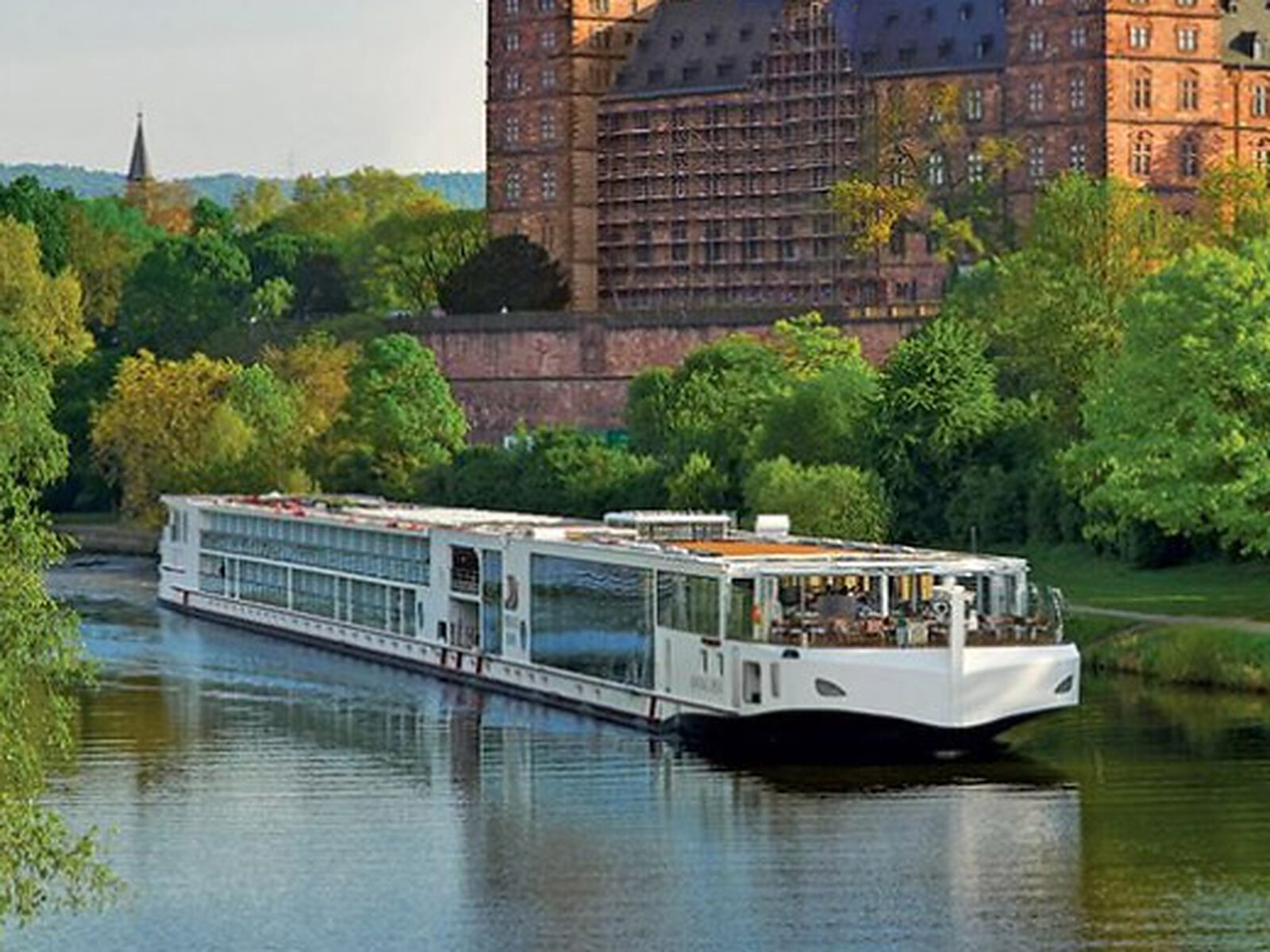
The daughter of Kjárr of Valland, Alruna (Ölrún in Old Norse), was one of three Valkyries spinning linen on the shore of Wolf Lake, when they were spotted by three brothers who lived nearby. Alruna and Egil, one of the brothers, lived together for seven winters, until Alruna flew off to battle, never to return.
View Ship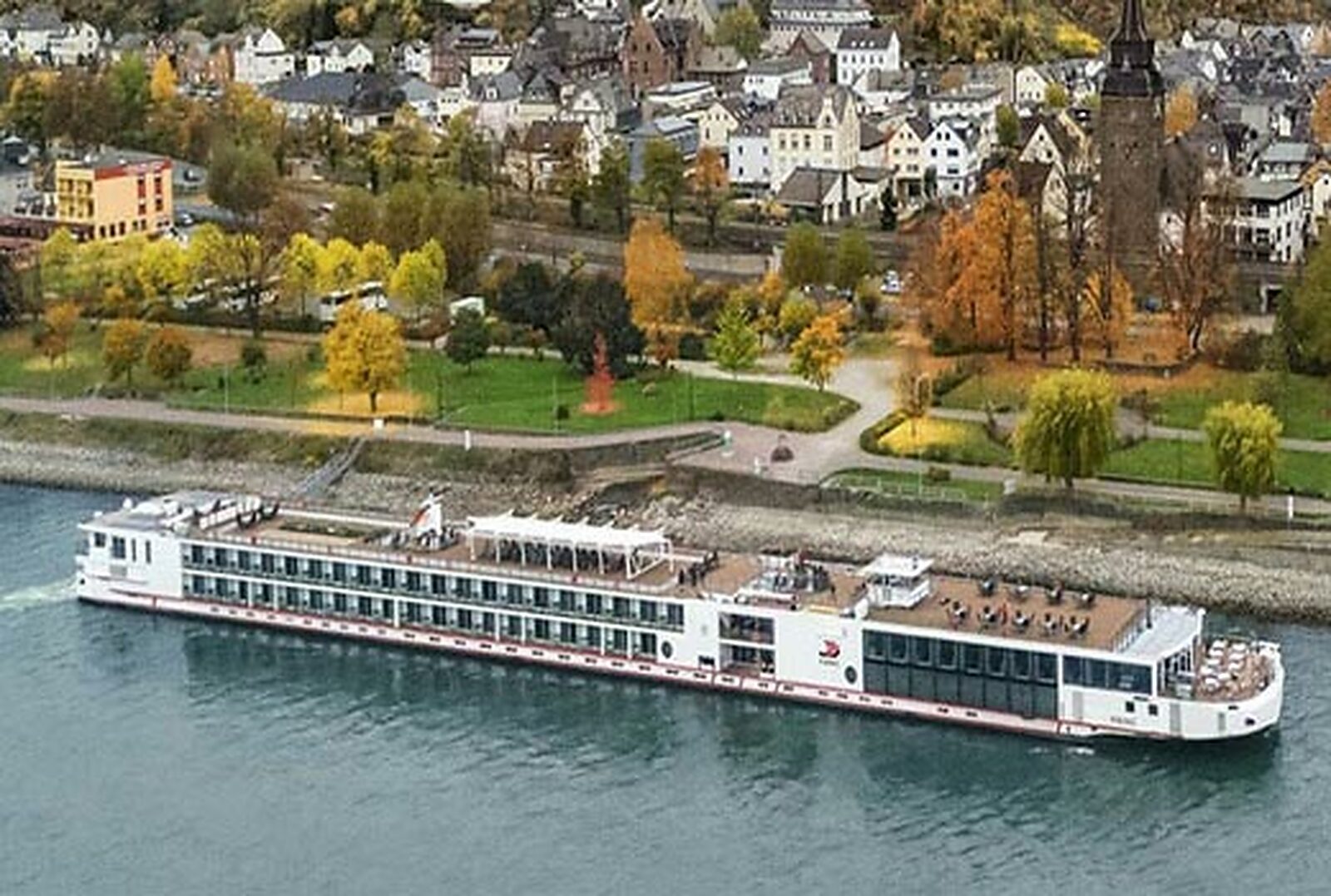
According to Norse legend, Alsvin is one of the two horses that pulls the sun across the sky in a chariot driven by Sol. The name Alsvin means "very swift." The other horse is called Arvakr, whose name means "early riser."
View Ship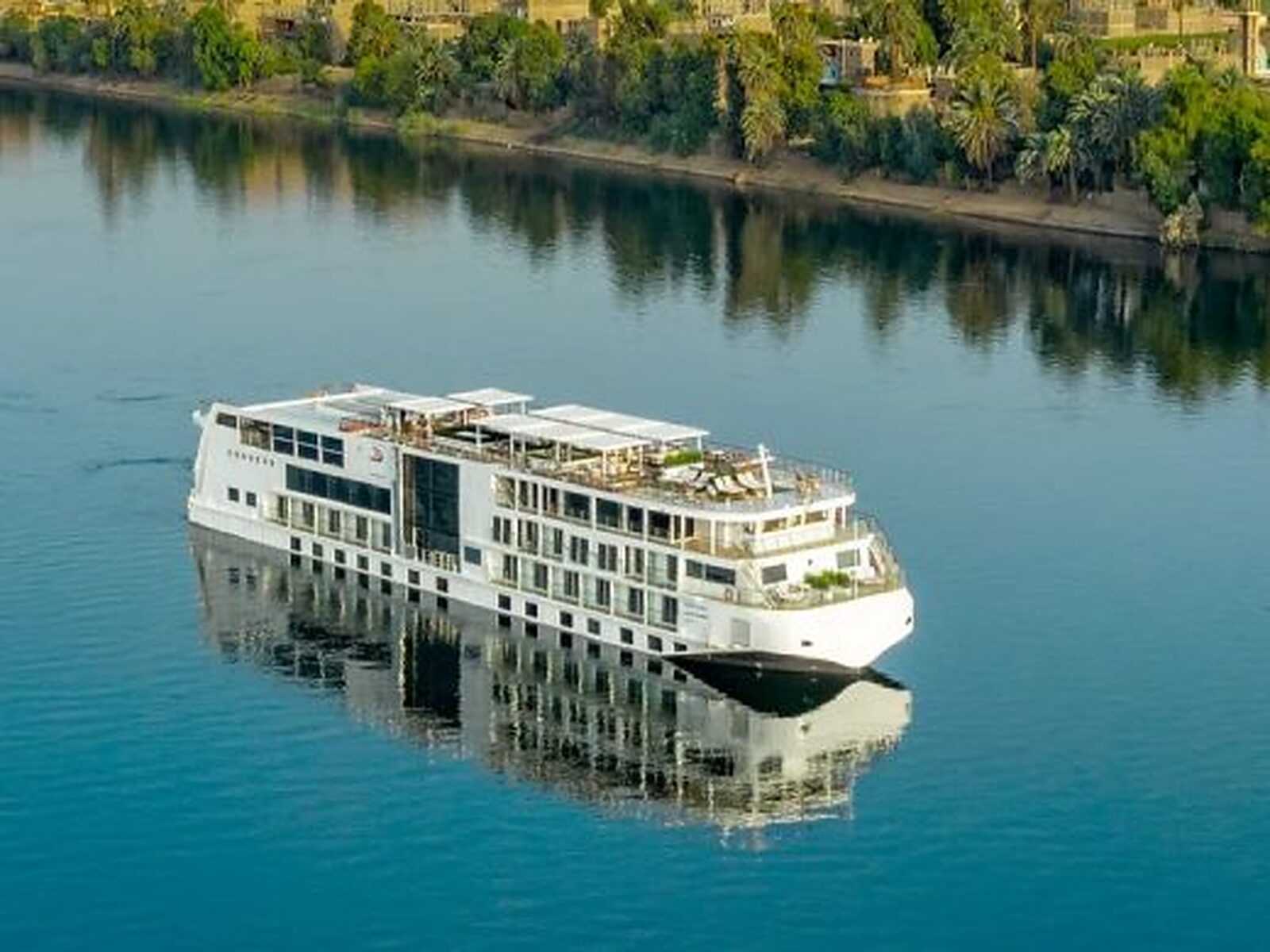
Named after the king of the gods in ancient Egypt, the Viking Amun is a state-of-the-art vessel—owned and operated by Viking—specifically built to cruise the Nile. Designed in the clean, elegant Scandinavian aesthetic for which Viking is known, she offers the ultimate in comfort.
View Ship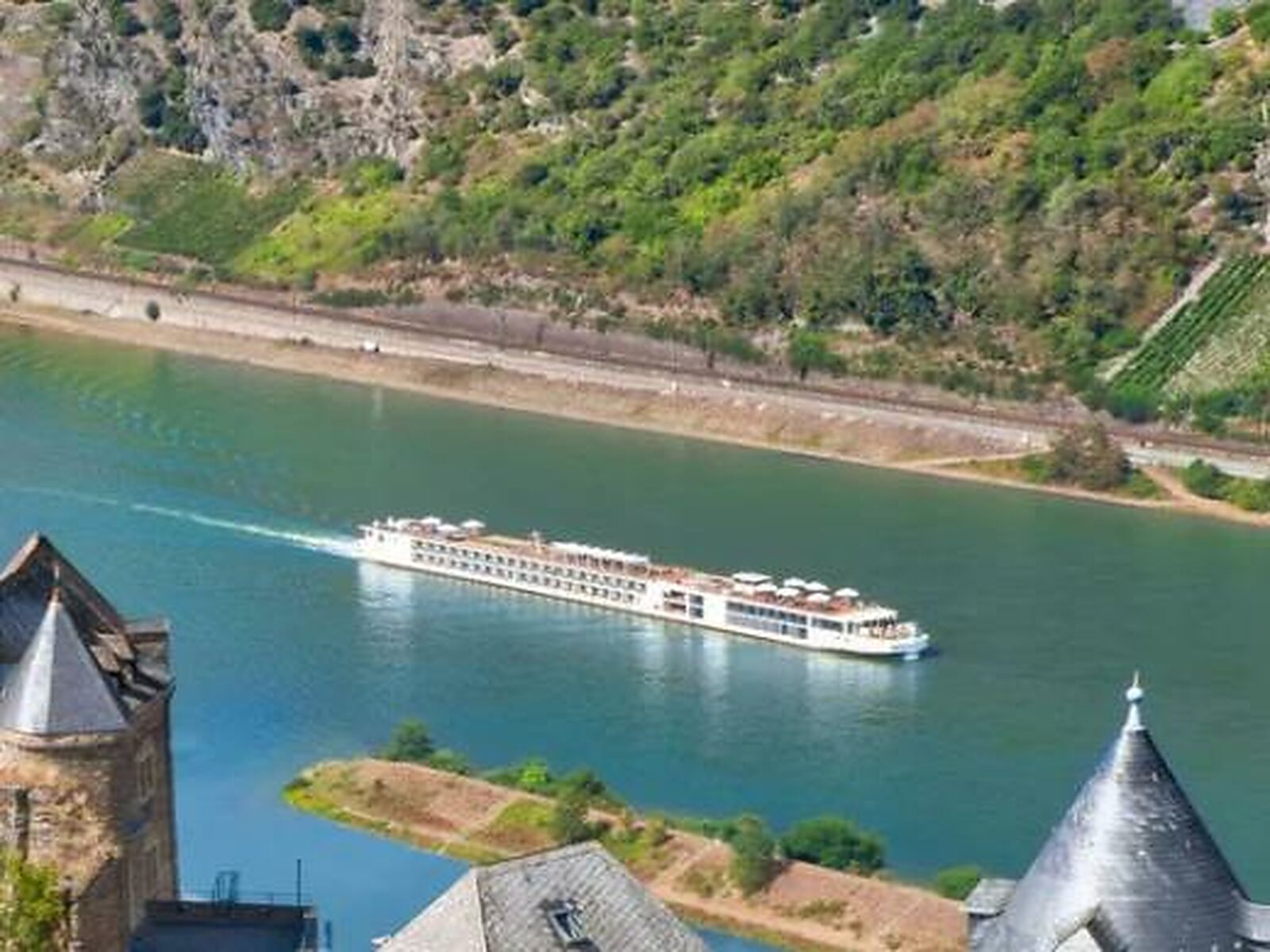
Meaning “second” or “another” in Norse mythology, Annar is a figure associated with the earth. He is often considered the second husband of the giantess Nótt (Night) and the father of Jörð (Earth), who is also the mother of Thor.
View Ship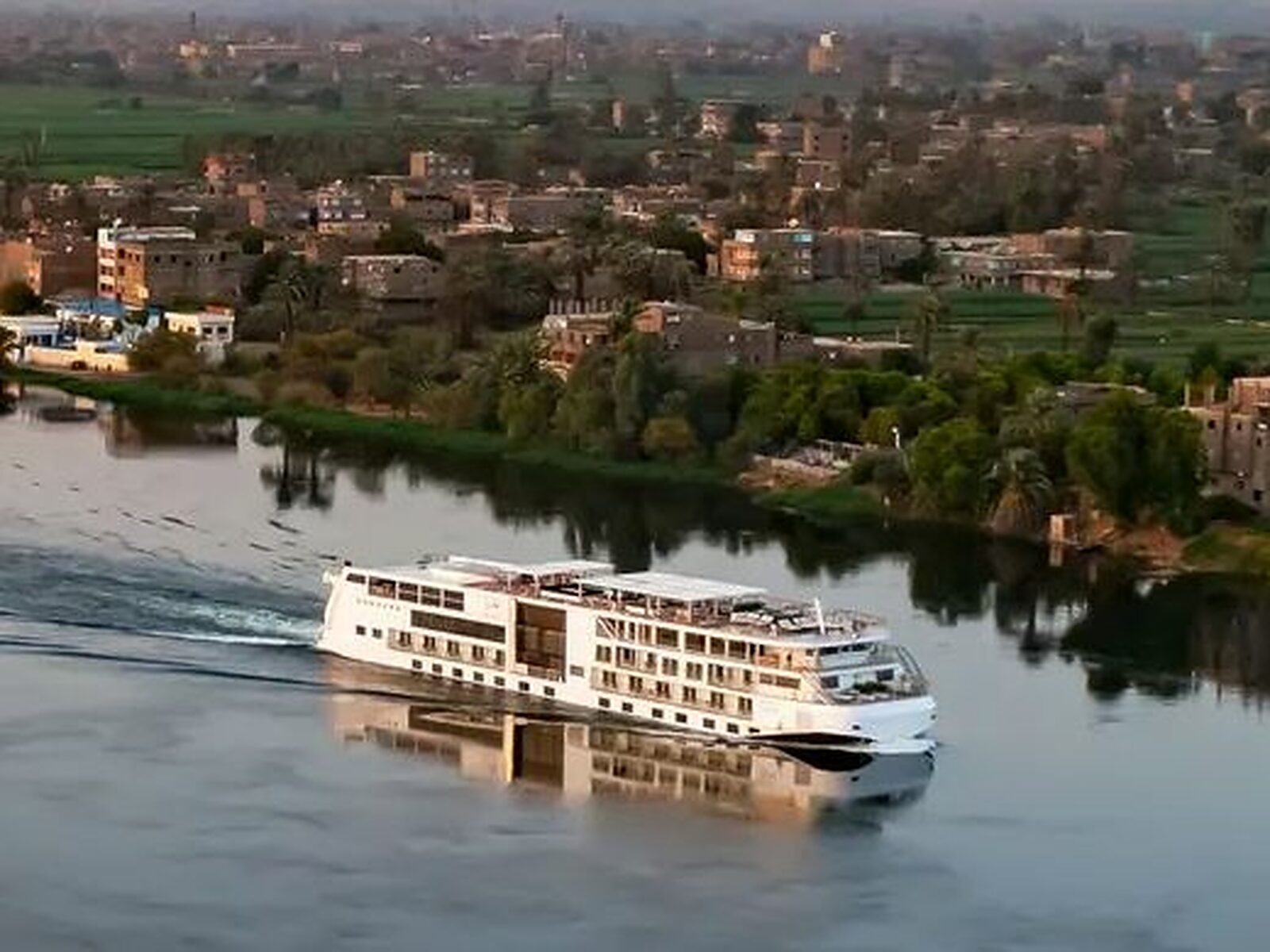
Depicted with the head of a jackal, Anubis was the ancient Egyptian god associated with mummification and the afterlife. During the Early Dynastic period and the Old Kingdom, he was revered as the primary deity of the dead, a role later assumed by Osiris, god of the underworld. Anubis is credited with inventing the art of embalming, which he first practiced on the corpse of Osiris.
View Ship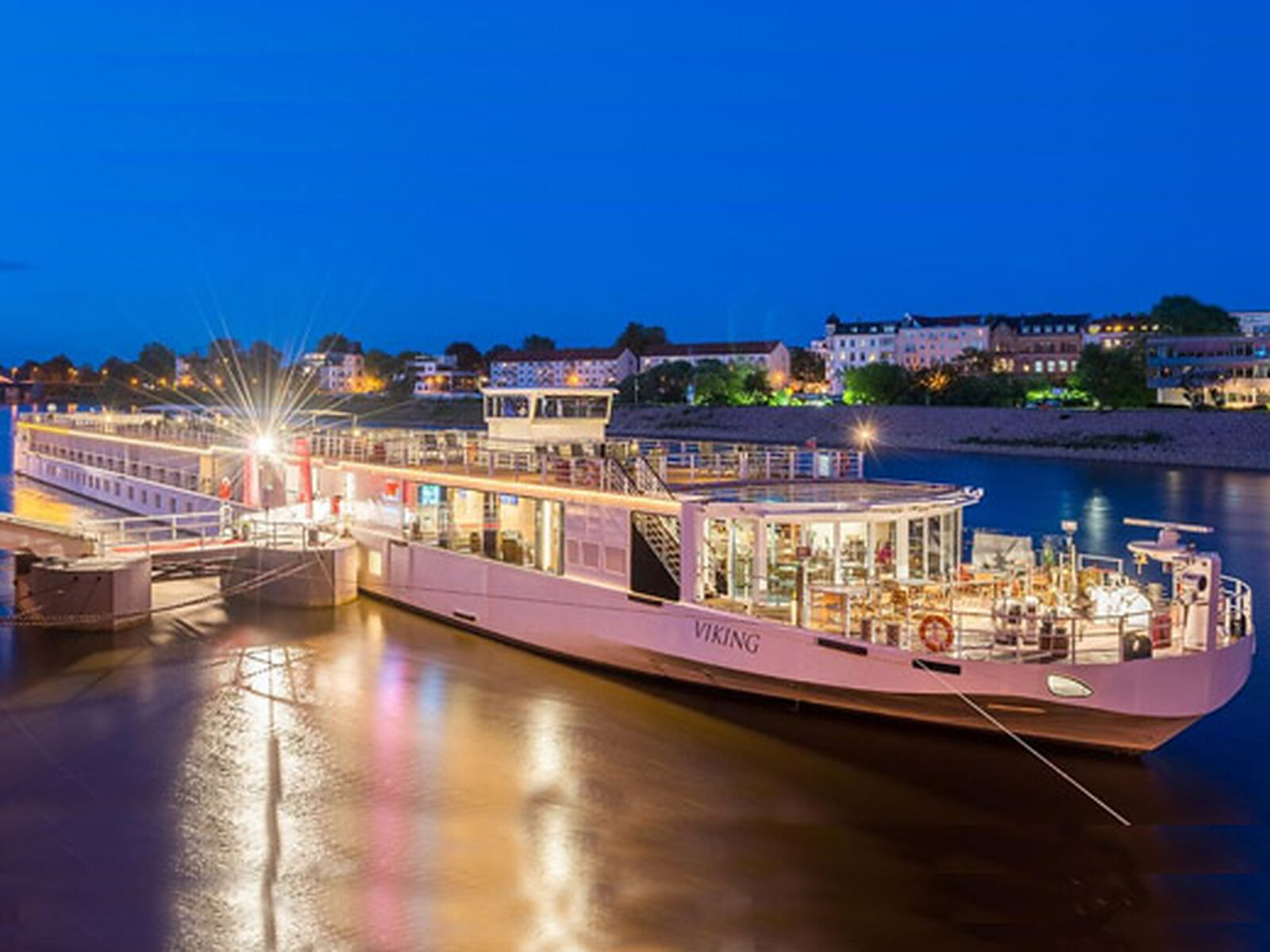
Astrild - Goddess of Love. Classical mythology has its cupid. In Nordic culture, it’s Astrild who sets hearts afire. The delicate lilt of her name first caressed the ears of literature lovers in the 17th century, when Swedish poet Georg Stiernhielm introduced her to northern Europe in his writing. She remains a fabled figure who spreads love, passion and affection. To get a sense of the beauty and love which Astrild inspires, one need only look to the estrildid finch. It’s fitting that this tiny bird from which Stiernhielm got Astrild’s name remains devoted to the same partner for life.
View Ship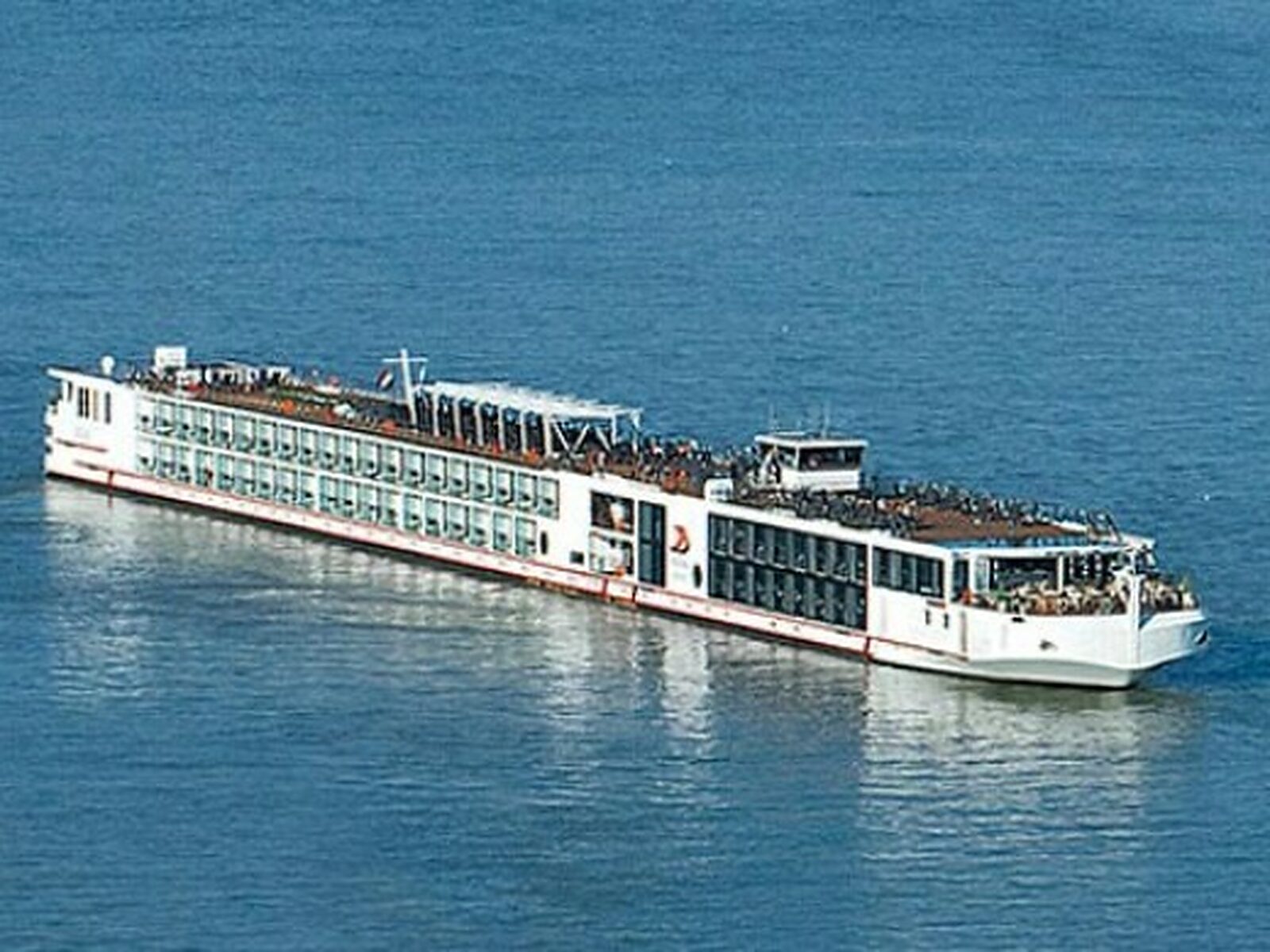
The beautiful giantess Atla is the Norse goddess of water. She is the daughter of Aegir and Ran, god and goddess of the sea. Atla is one of the nine wave maidens who lives at the bottom of the sea, watching over the World Mill that continually turns with the seasons to bring the earth and its people fertility and harmony.
View Ship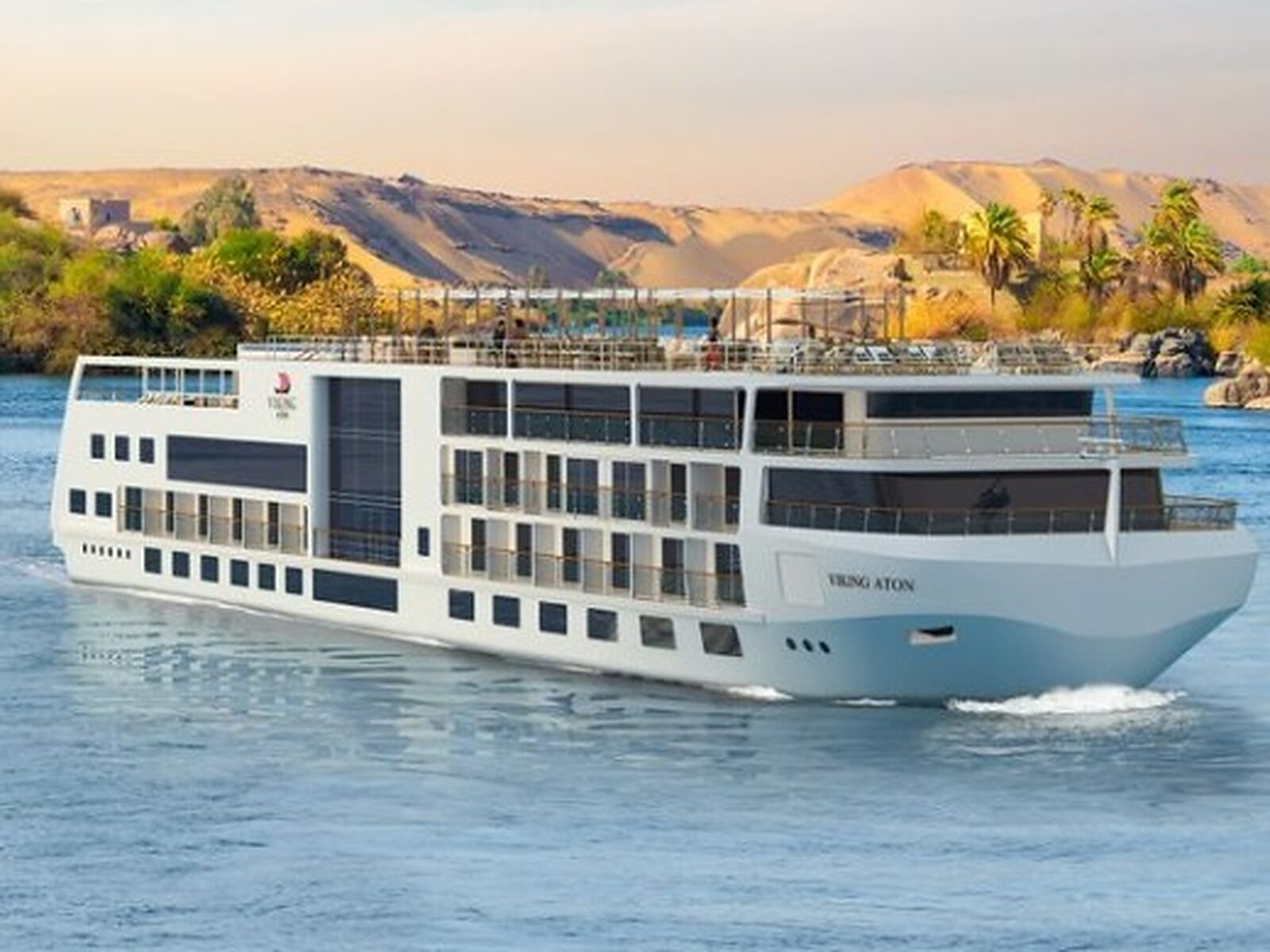
Owned and operated by Viking, Viking Aton is a brand new sister ship to Viking Osiris, the most upscale ship in Egypt. Specifically built to navigate the Nile, she is a state-of-the-art vessel—designed in the clean, elegant Scandinavian aesthetic for which Viking is known. Accommodating just 82 guests, she offers the ultimate in comfort.
View Ship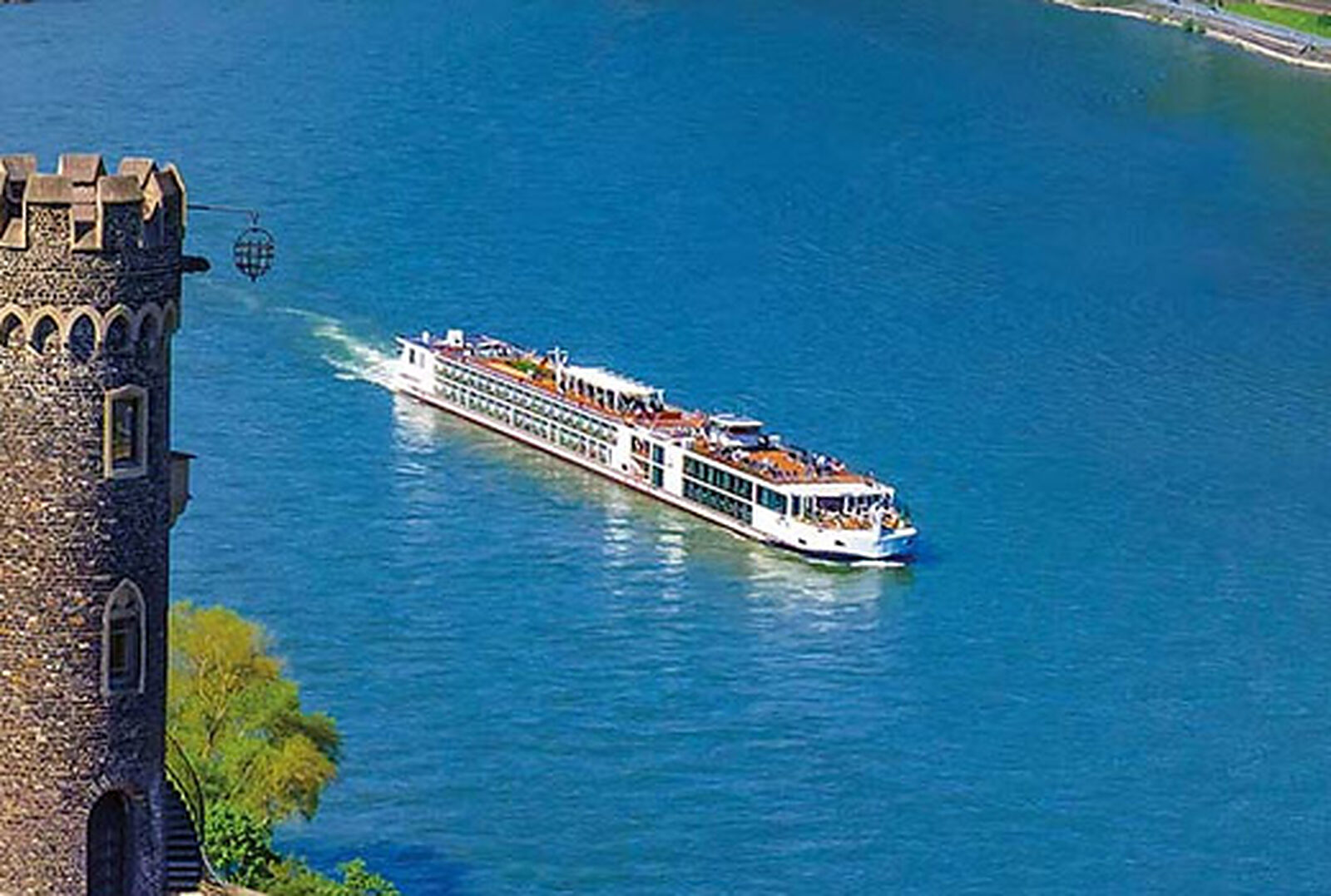
Baldur was everyone’s favorite, loved by both gods and mortals. Baldur was believed to be indestructible. So impervious to injury was he that, at banquets, guests used to amuse themselves by hurling objects at him. Nothing, it seemed, could harm him. Yet the malicious trickster Loki discovered that the one thing that could kill Baldur was mistletoe. He tricked Hodur into throwing a sprig of mistletoe at the beautiful and good Baldur, fatally wounding him.
View Ship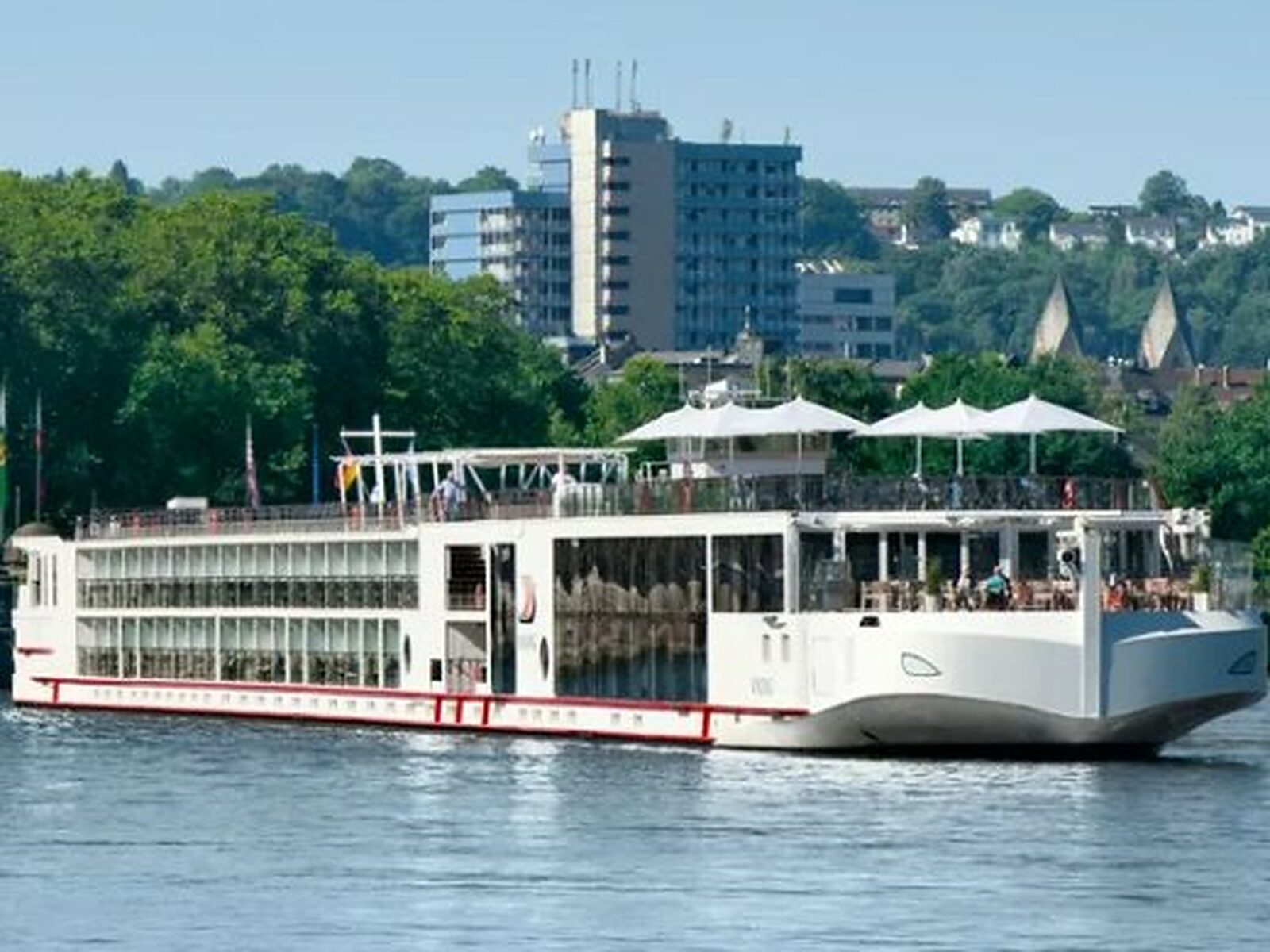
<span class="contentDescription"> </span><span class="contentDescription">Designed by legendary naval architects Yran & Storbraaten, the team behind The Yachts of Seabourn, these new vessels offer state-of-the-art engineering, patented design* and luxury. The Viking Longships provide guests with more ways to personalize their trip. Choose from a variety of stateroom classes, onboard entertainment options and ship locations from which you can enjoy sailing through the scenery, all the while enriching your time in some of Europe’s most remarkable destinations. </span><br><span class="contentDescription"> Two Explorer Suites feature spectacular 270° views with a private wraparound veranda. Veranda Suites feature two full rooms with a veranda off the living room and a French balcony in the bedroom. Enjoy the indoor-outdoor Aquavit Terrace at the bow of the ship, or relax on the Sun Deck. These “green” ships, featuring energy-efficient hybrid engines, solar panels and an organic herb garden, were named to honor prominent members of the Norse pantheon. Each ship carries 190 guests in comfortable, understated elegance, with hotel-style beds and amenities like 40” flat-panel Sony® TVs and in-room refrigerators. </span>
View Ship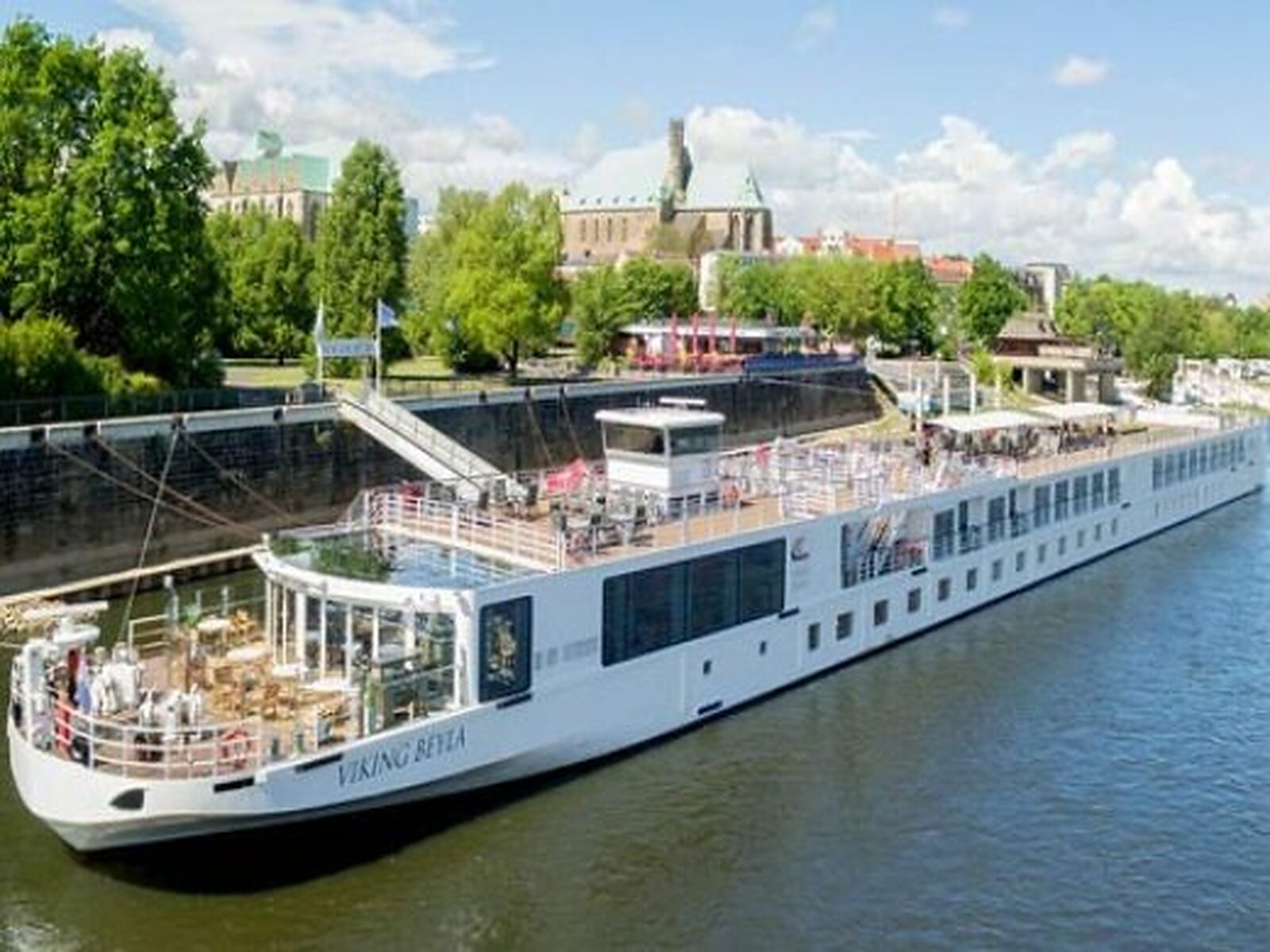
Beyla - Farm Servant to Norse God Freyr. Beyla is a servant to Freyr, Norse god of virility. She looks after his realm with her husband Byggvir. Because of her association with Freyr’s farm, Beyla personifies agriculture and the seeds from which crops grow. Byggvir shares the root of his name with Bygg, the Old Norse word for barley. True to this origin, he is a mill grinder and bread maker. Beyla’s name may be tied to cows, beans or bees. Together, they represent the enduring spirit of Scandinavia’s bounty, an ideal pair to serve a virile god.
View Ship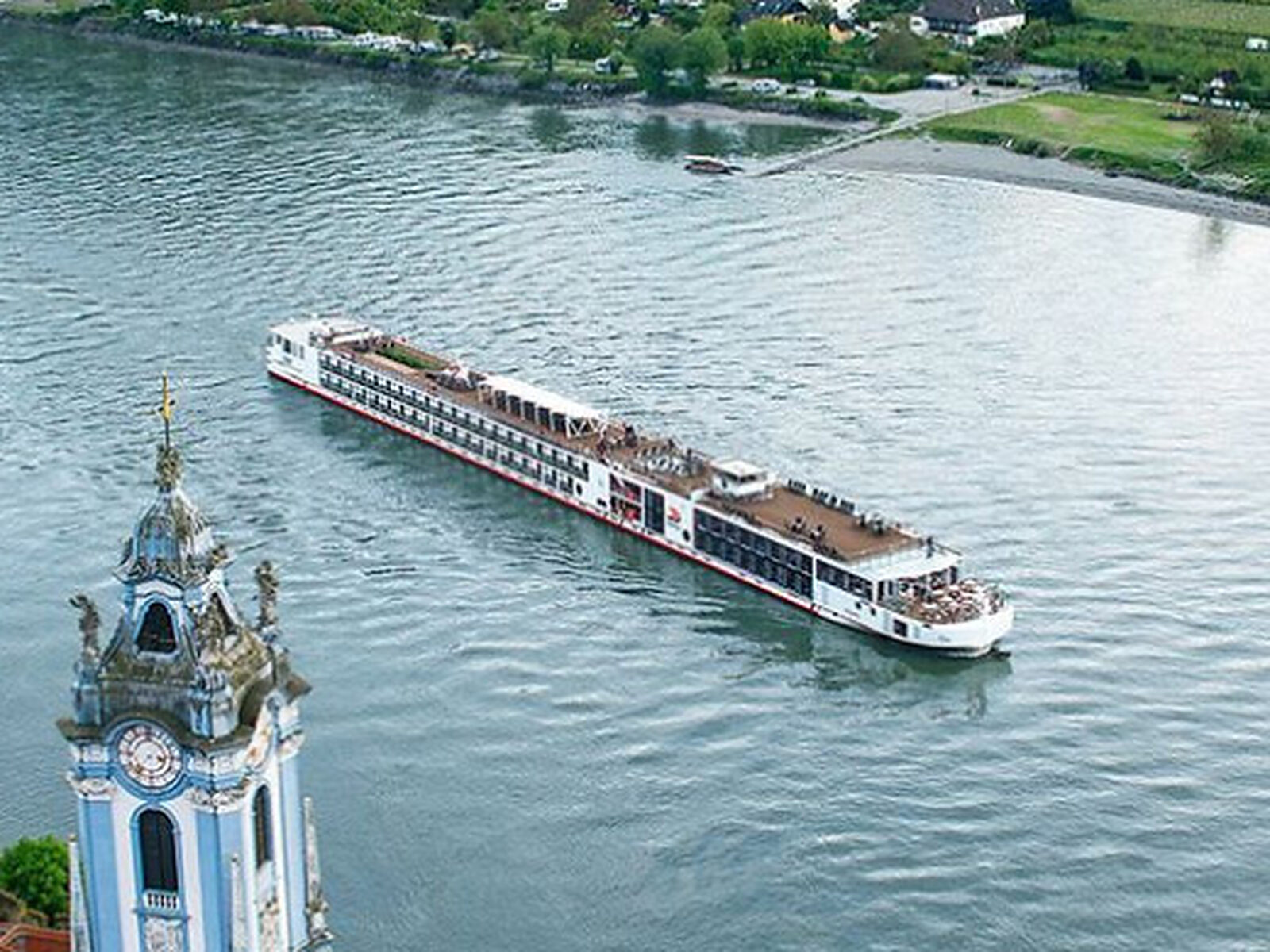
Bragi is the Norse god of poetry, music and eloquence. Plucking his harp and singing sweetly, he can charm all creatures, even the flowers and the trees. His tongue is carved with runes, ancient Norse symbols, and through his poetry, Bragi keeps the stories of the gods alive.
View Ship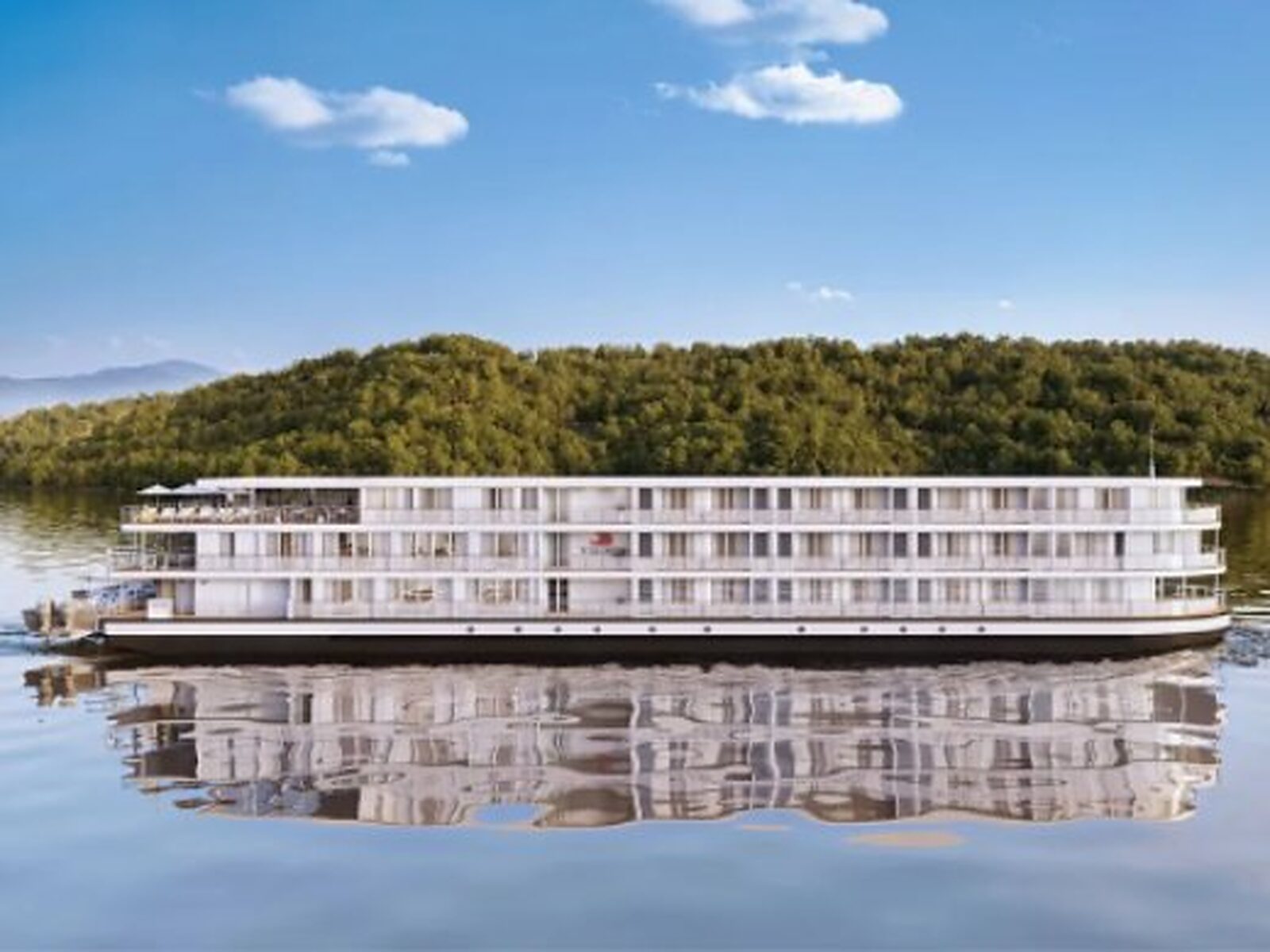
The name of the Viking Brahmaputra combines two ancient Sanskrit words—Brahma, the Hindu god of creation, and putra, meaning son. Specifically built to navigate the Brahmaputra River, this ship blends understated elegance with signature Scandinavian design for which Viking is known. Explore the natural beauty of the northeastern region of India in comfort, with outdoor verandas, hotel-style beds and light-filled public areas offering panoramic views.
View Ship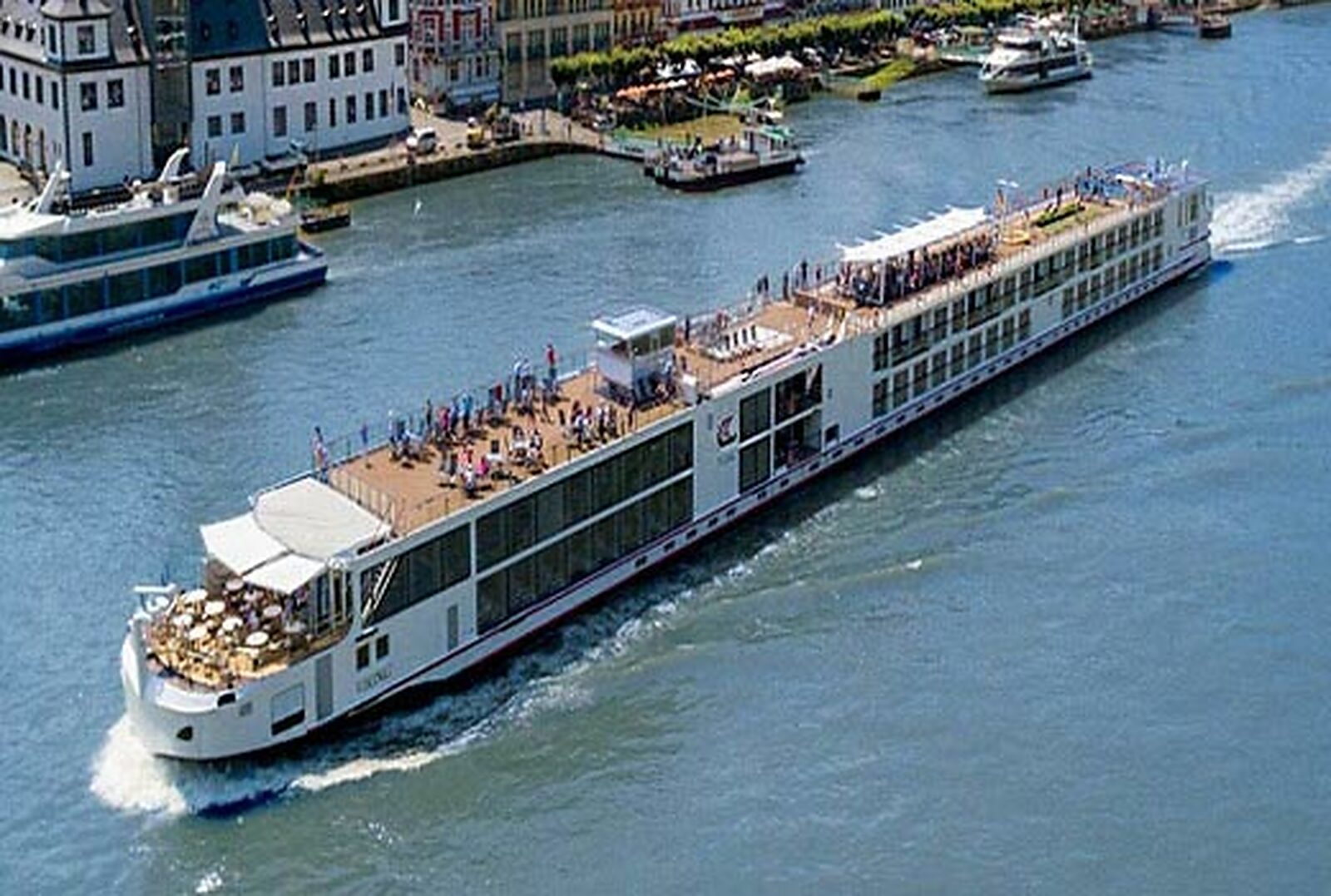
Buri is the first god in Norse mythology. He was created, not by a mother or father, but by a giant frosty cow named Audumbla. As she licked the salty blocks of ice in Ginnagagap, the shape of a man, Buri, was formed and she nourished him with her milk.
View Ship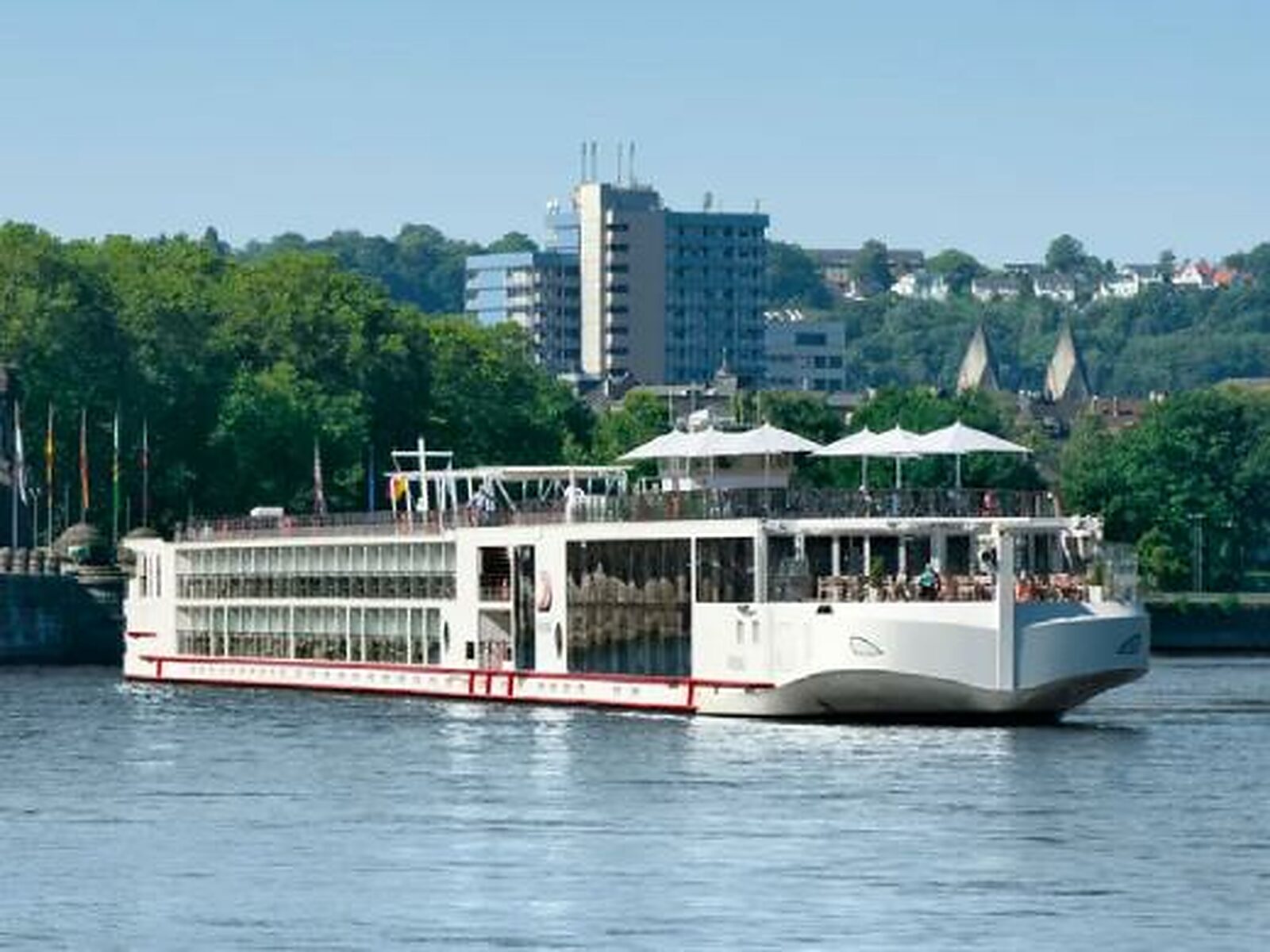
Dagur, meaning “day” in Old Norse, is personified as a god in Norse mythology. He appears in a 13th-century work called the Poetic Edda. He is the son of Dellingr (the dawn) and Nótt (the night), symbolizing the daily cycle.
View Ship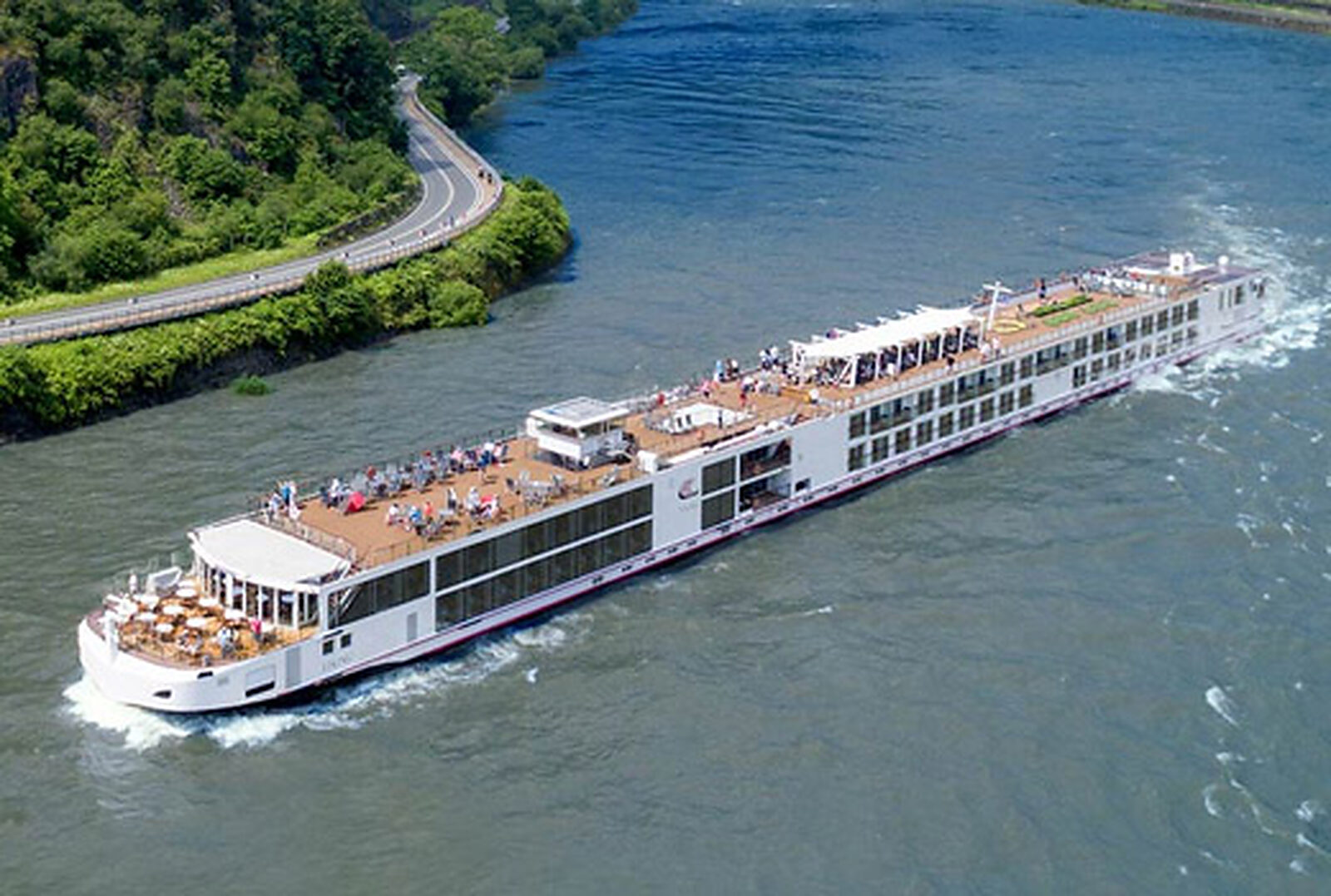
His name means “dayspring” or “shining one,” and in Norse mythology, the god Delling is the father of the day. According to legend, Delling is married to Nott, the goddess of the night, and together they have a son, Dagr. Odin placed the three of them in the sky, so that they may ride across it with their horses and chariots every 24 hours.
View Ship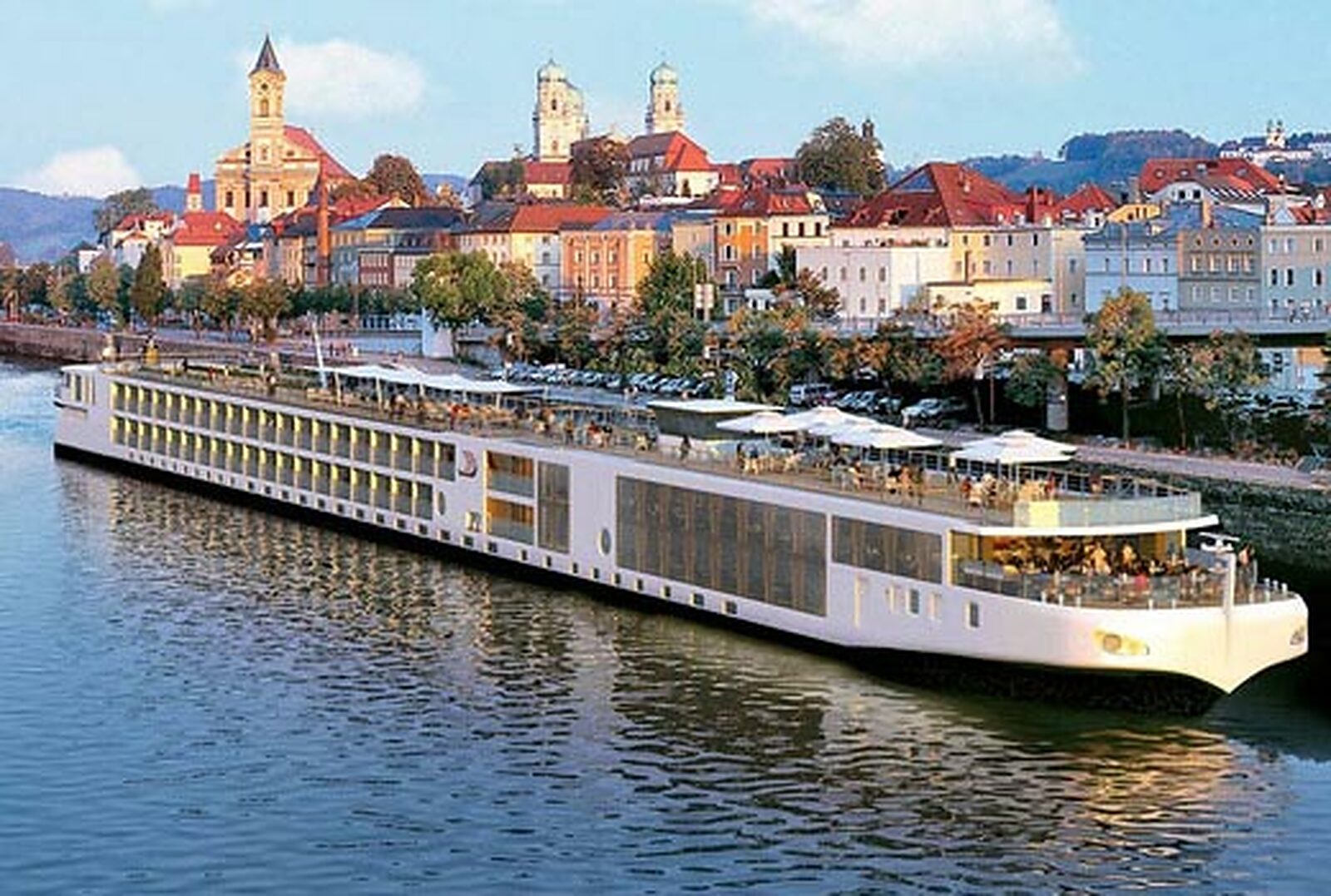
Egdir is identified in Norse mythology as the watchman of Jötunheimar, home of the Jötnar (or giants) and one of the nine realms in Norse cosmology. He is also believed to have been the herdsman who cared for the offspring of the mythological wolf Fenrir. But he is most well-known for his role in Ragnarok—signaling the Jötnar for the final, epic battle with the strum of his harp.
View Ship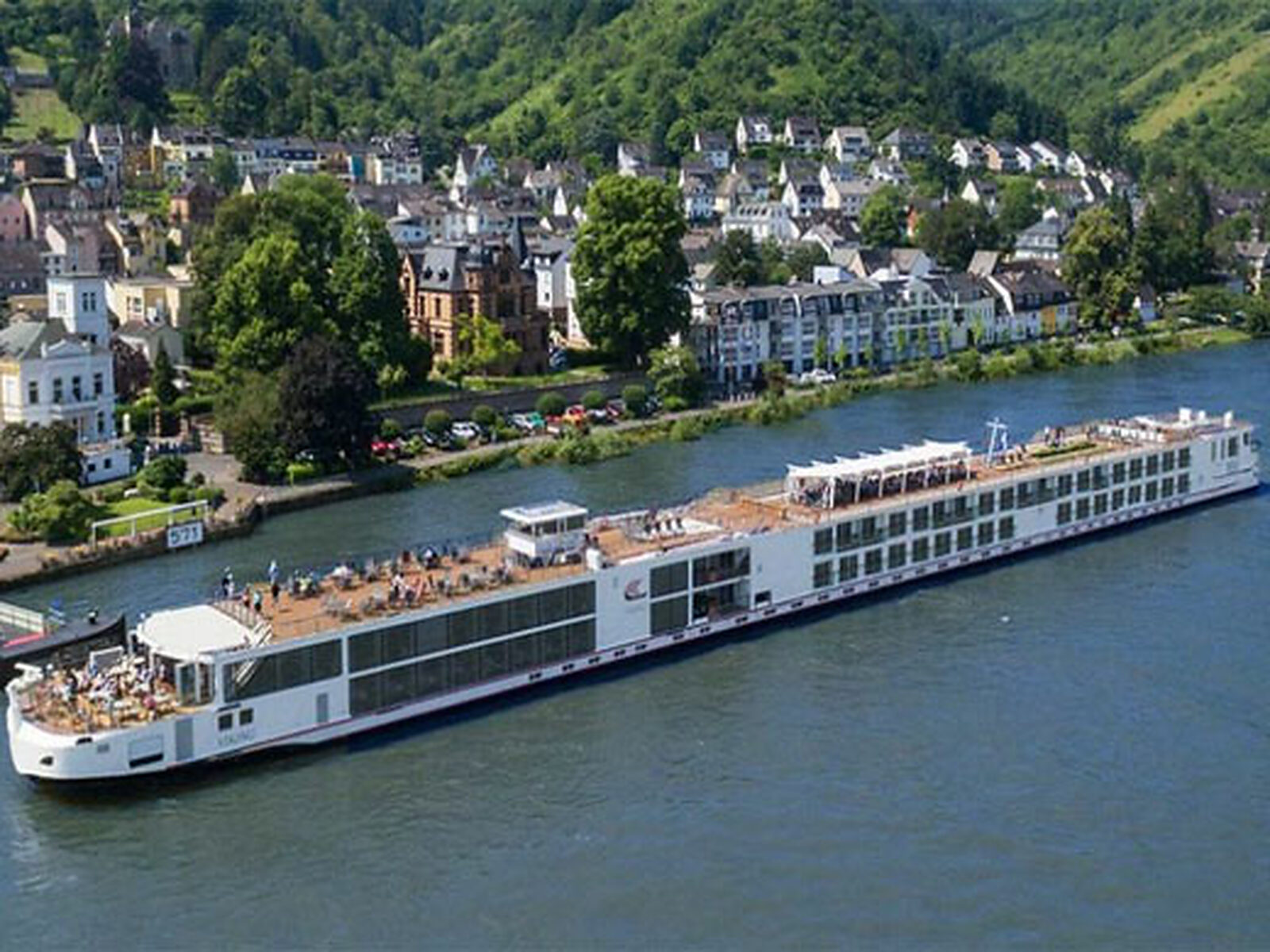
Egil is one of the most memorable Vikings to appear in the Old Norse sagas. Combining courage and brawn with high intelligence, Egil embodied ethicality and composed intricately beautiful poetry. Today, Egil personifies the Viking spirit to travel to the unknown world.
View Ship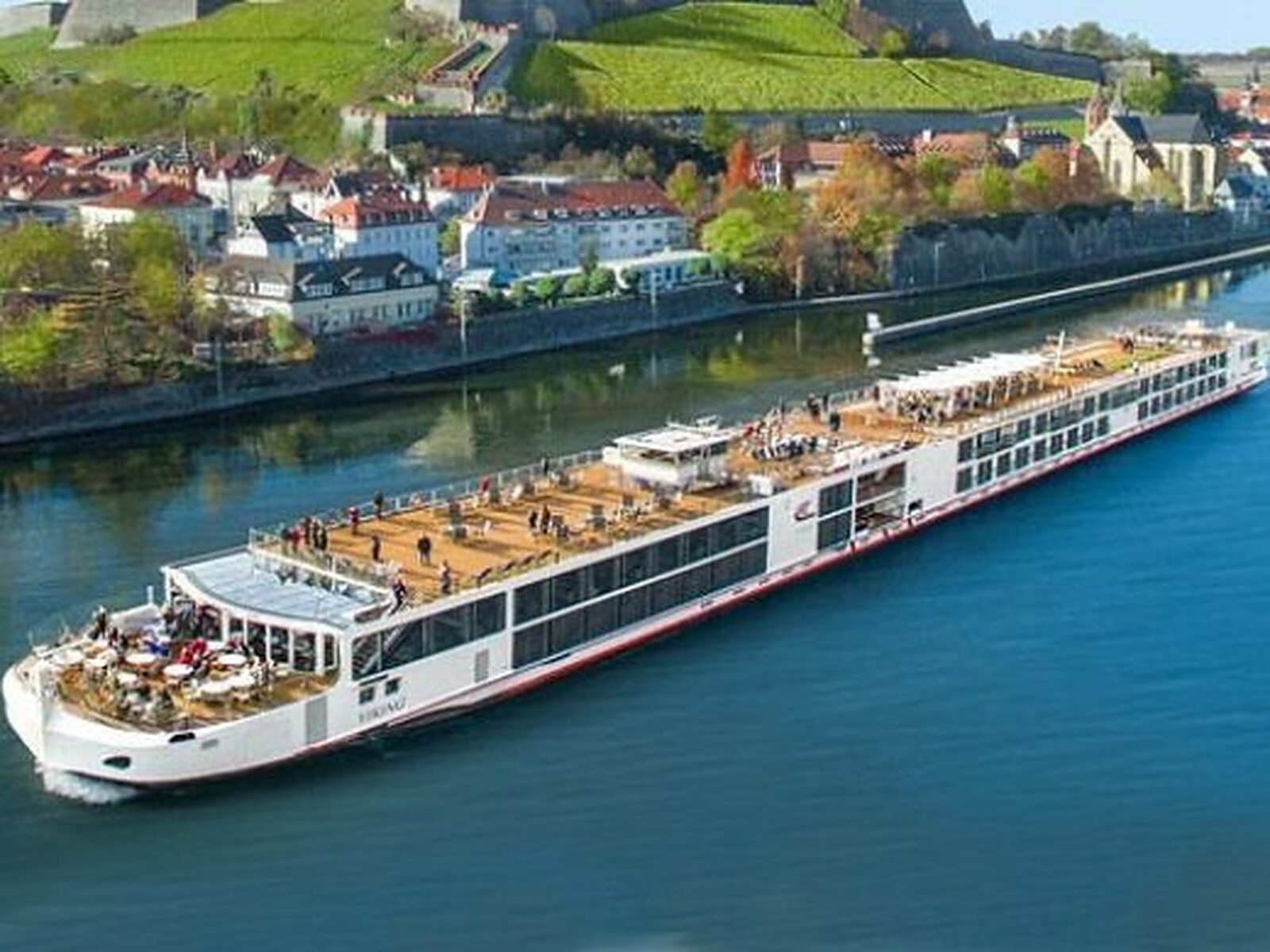
A strong warrior, Einar wrested control of the Orkney and Shetland Islands from Danish warlords in the late 9th century after his brother Hallad was unable to hold his ground there. The dynasty that he founded ruled the archipelago until 1470.
View Ship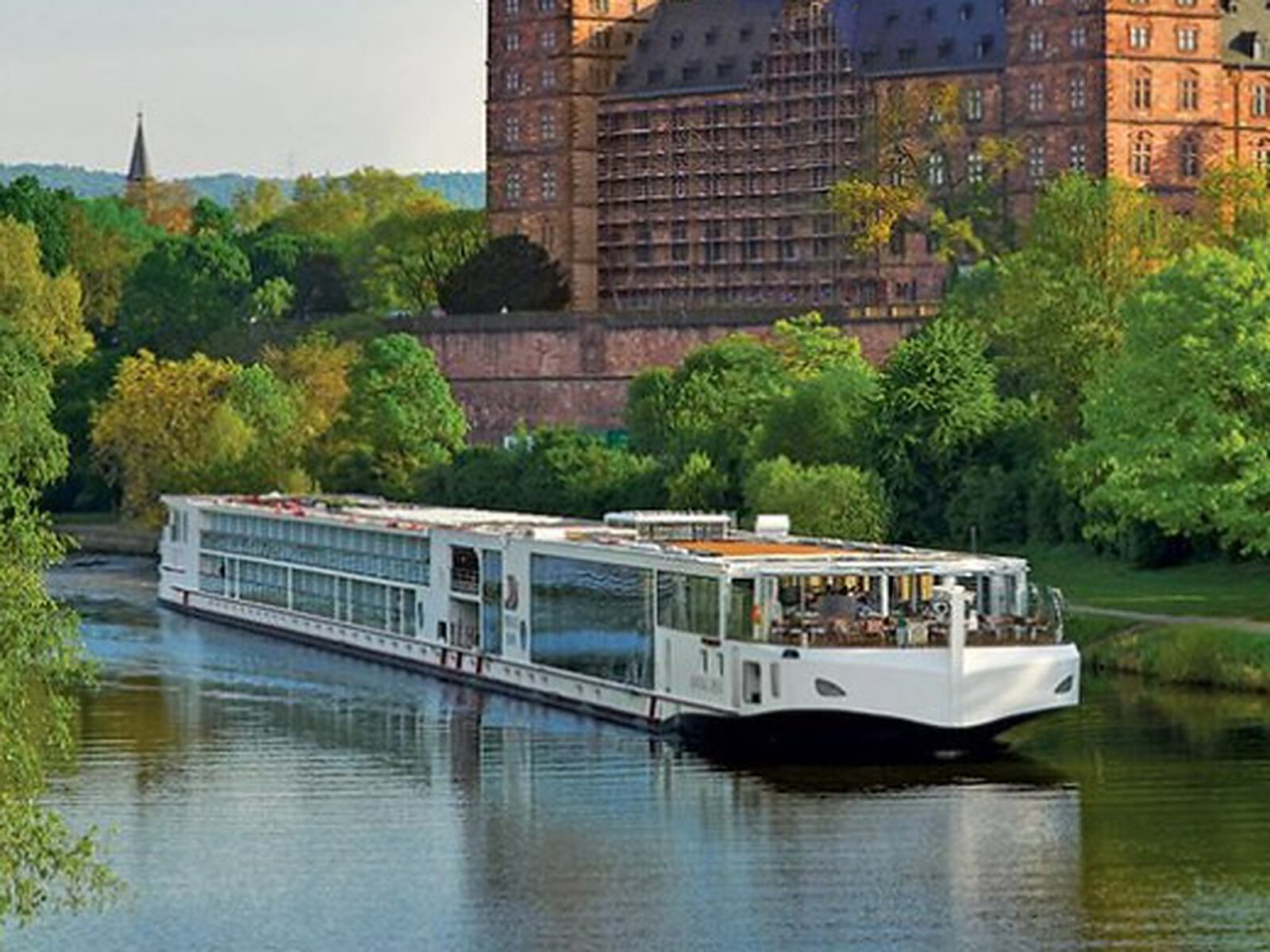
The goddess Eir is by many accounts “the best of all physicians.” But scholars differ on the capacity in which she used her power. Some depict her as a goddess of healing, tending to the sick and the war-wounded. Others view her as a horse-riding Valkyrie who rides into battles to decide which soldiers die and which live.
View Ship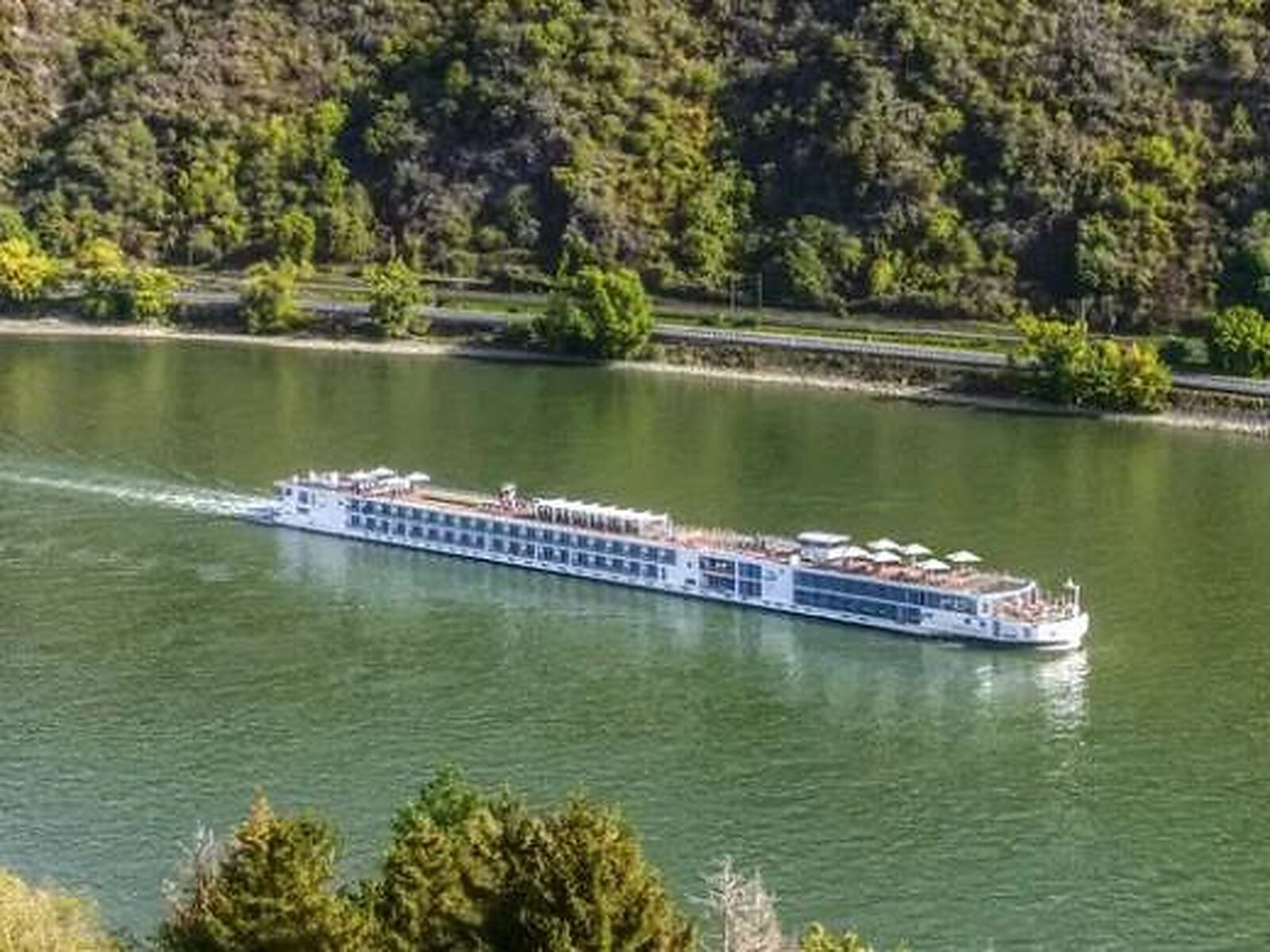
Eldir, whose name means “fire-stoker,” is a servant of the sea giant Ægir in Norse mythology. Despite his lesser-known status, Eldir is recognized for his loyalty and service.
View Ship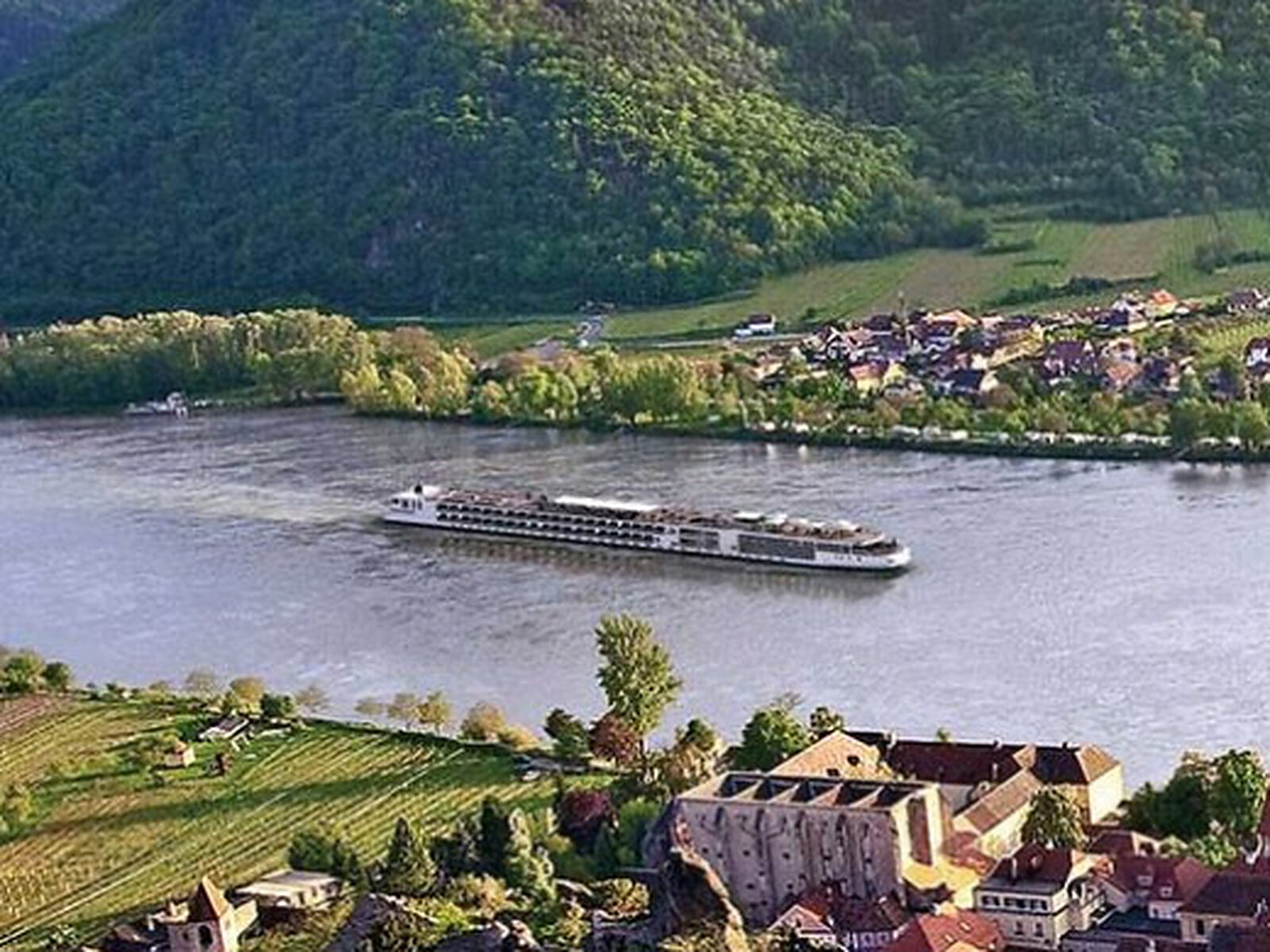
In Norse mythology, Embla was the first woman to be created, the mother of the human race. The god Odin and his brothers made Embla, along with Ask, the first man, from two tree trunks found on the seashore. Embla and Ask were then given Midgard, the world of humans, as a place to live and call home.
View Ship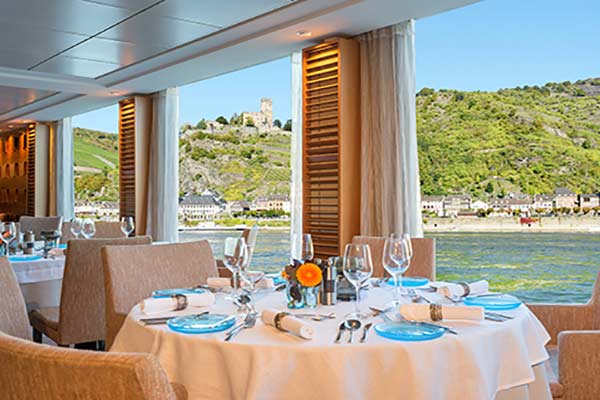
Cruise the Yangtze River on Viking Emerald, a state-of-the-art river cruise vessel. Accommodating 256 guests with full verandas, hotel-style beds in every spacious suite and stateroom, public areas bathed in light and an English-speaking crew, Viking Emerald is one of the most sophisticated river ships sailing the region.
View Ship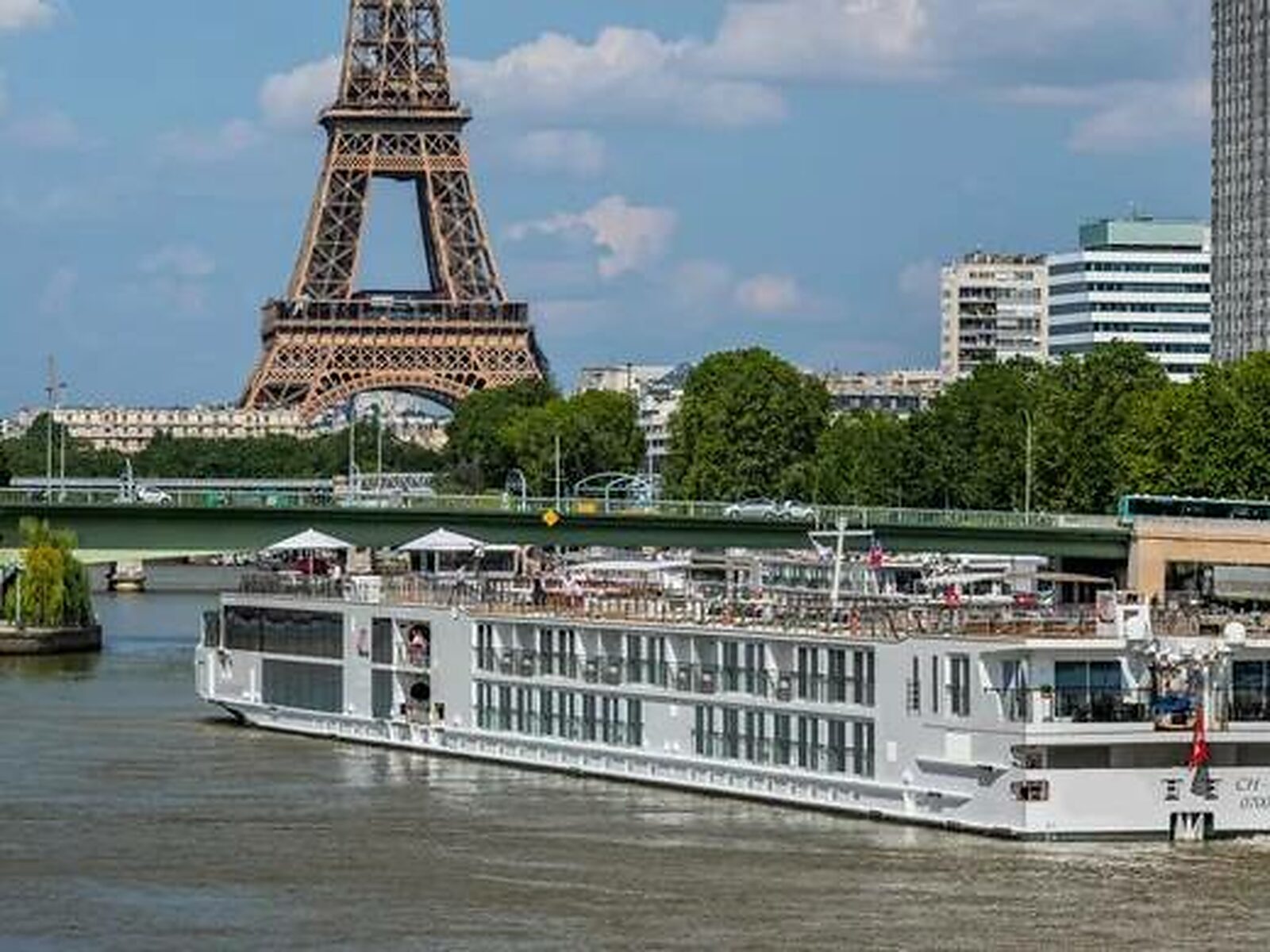
Fjölvar was believed to be a jötunn, a supernatural giant in Norse mythology. He is mentioned in the poem “Hárbarðsljóð” from the Poetic Edda. Fjölvar spent time training and fighting with Odin, god of wisdom and warfare, on the island of Algrœn.
View Ship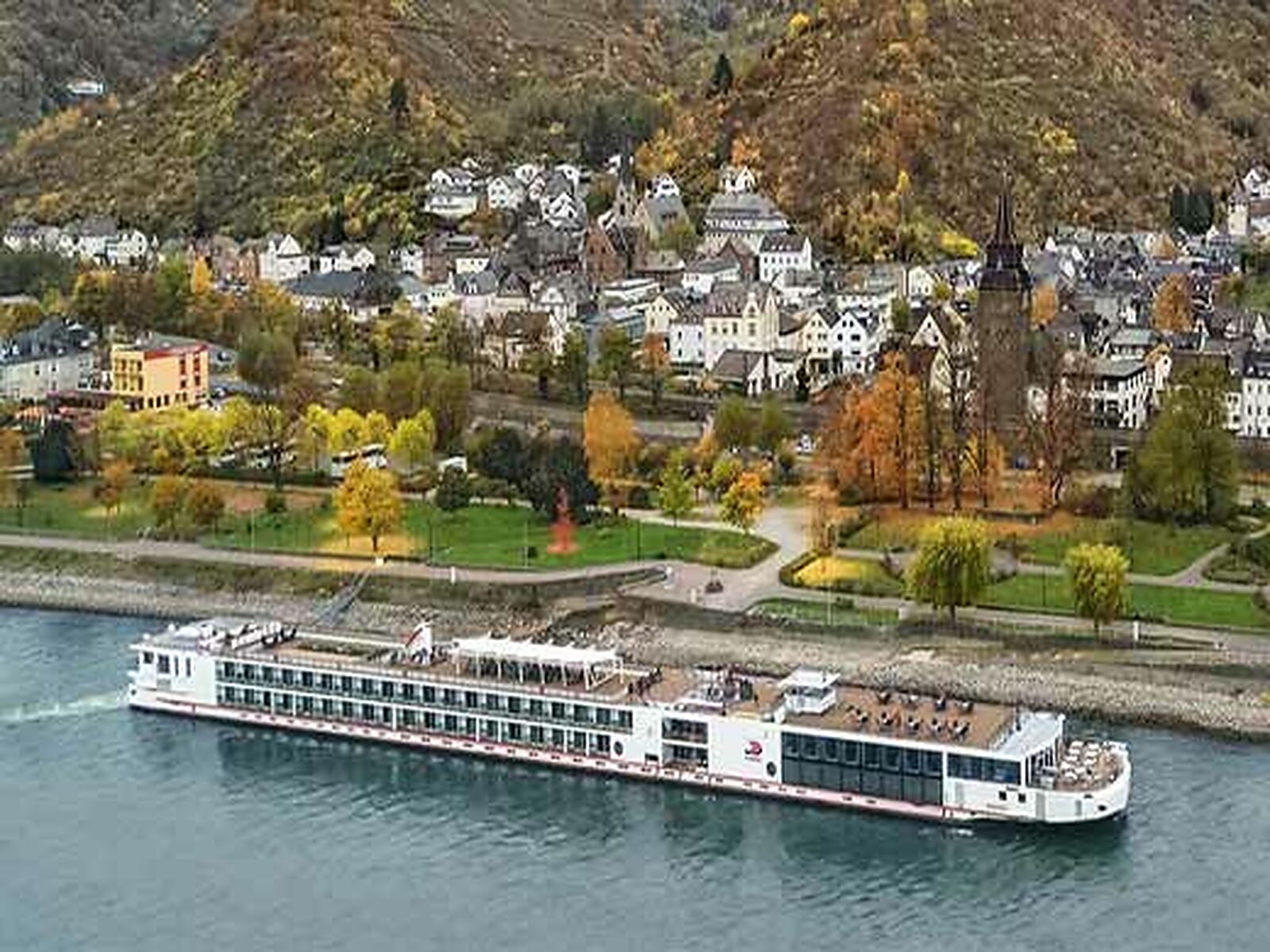
Norse mythology’s Mother Earth, Fjorgyn has been associated with the start of the growing season, when Norway’s soils were nurtured for planting seeds. She was the mother of Thor, the mighty thunder god and son of Odin. As such, she was also an adversary of Odin’s wife Frigg.
View Ship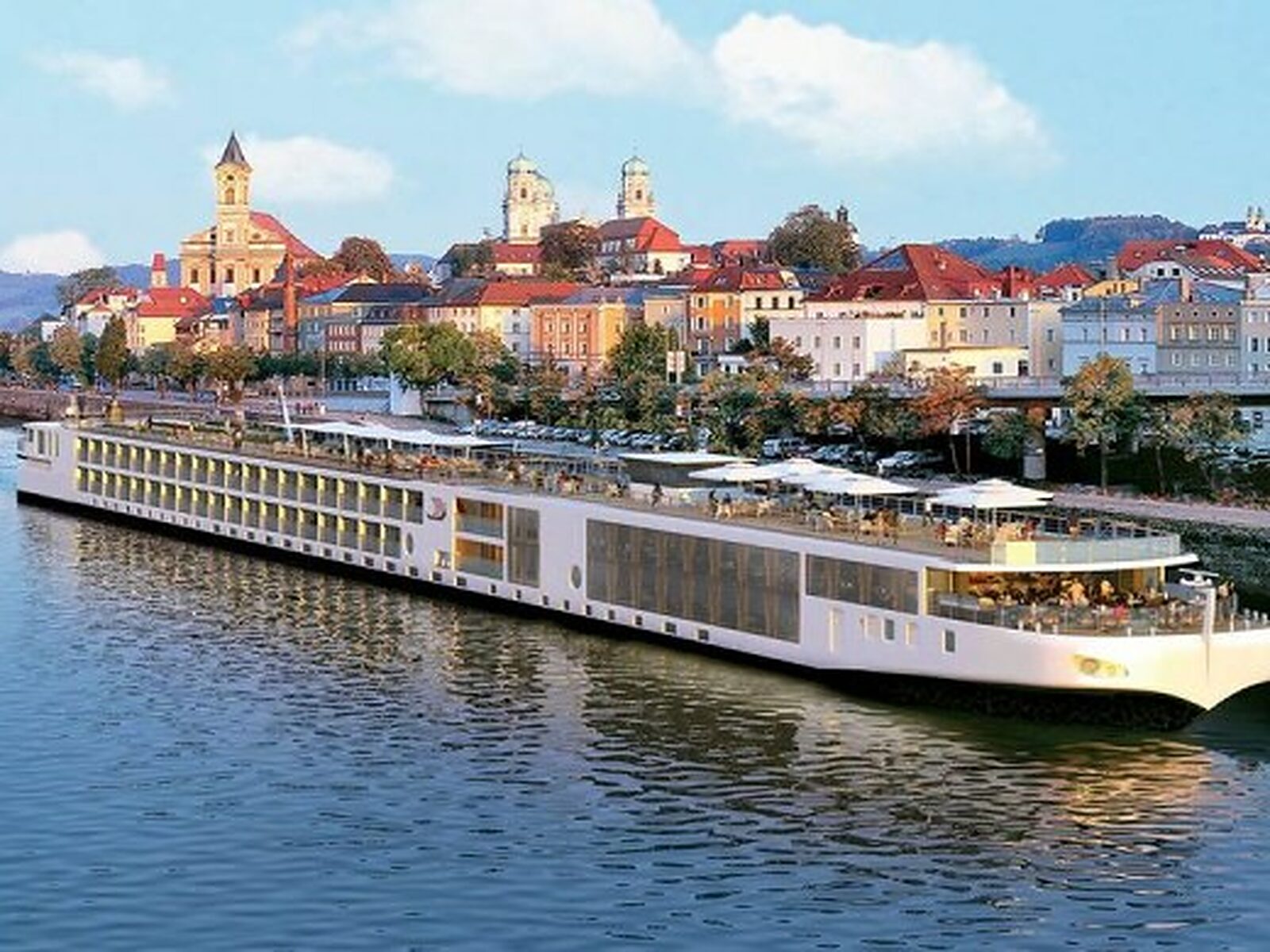
The Norse god of justice, Forseti, radiates the light of truth. He is eloquent, wise and, most of all, a fair and persuasive mediator. Forseti presides over all disputes of gods and men, giving all a proper hearing.
View Ship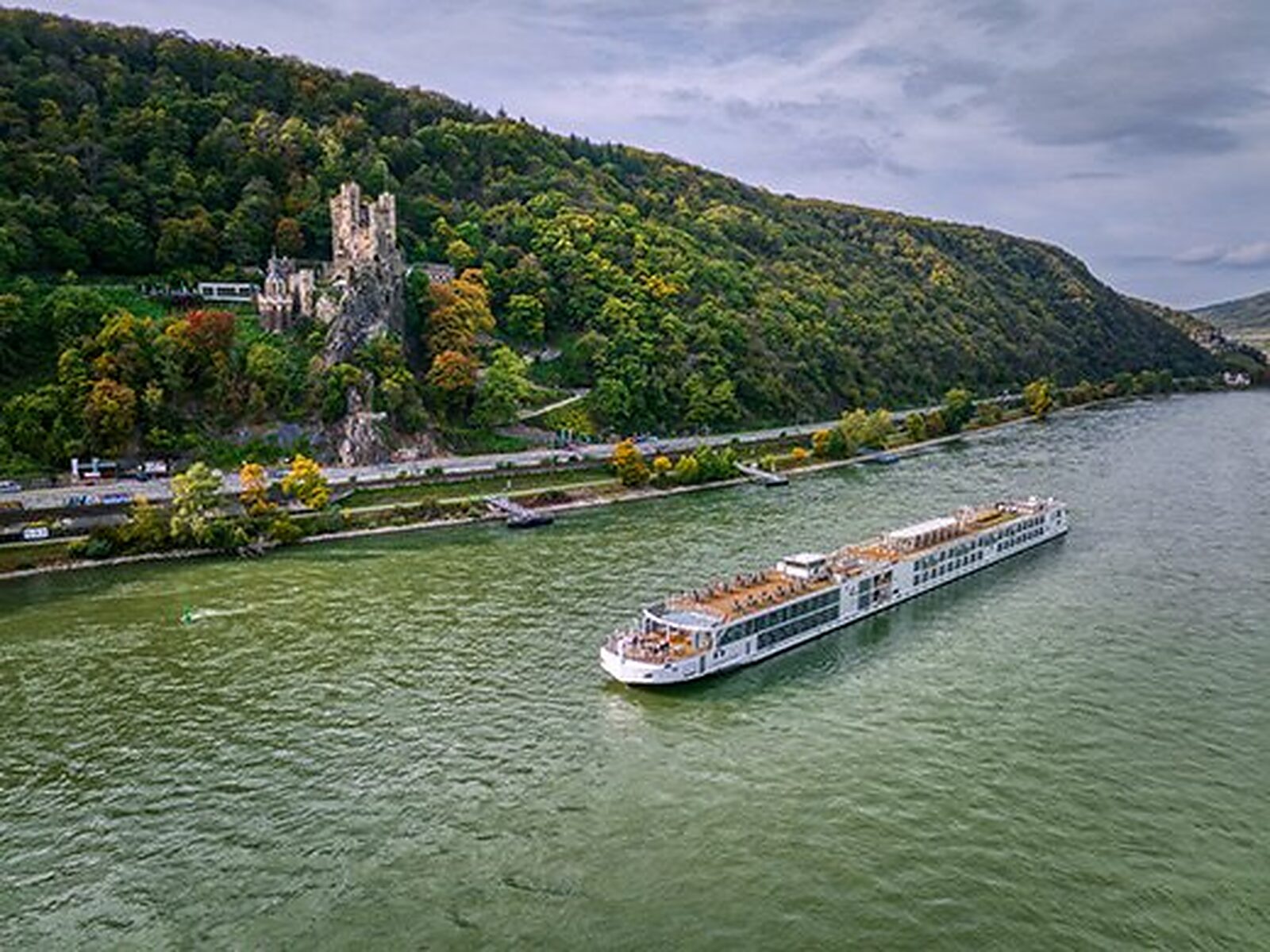
<div>Designed by legendary naval architects Yran & Storbraaten, the team behind The Yachts of Seabourn, these new vessels offer state-of-the-art engineering, design and luxury. The Viking Longships—Viking Freya, Viking Idun, Viking Njord and Viking Odin—provide guests with more ways to personalize their trip. Choose from a variety of stateroom classes, onboard entertainment options and ship locations from which you can enjoy sailing through the scenery, all the while enriching your time in some of Europe’s most remarkable destinations.</div>
View Ship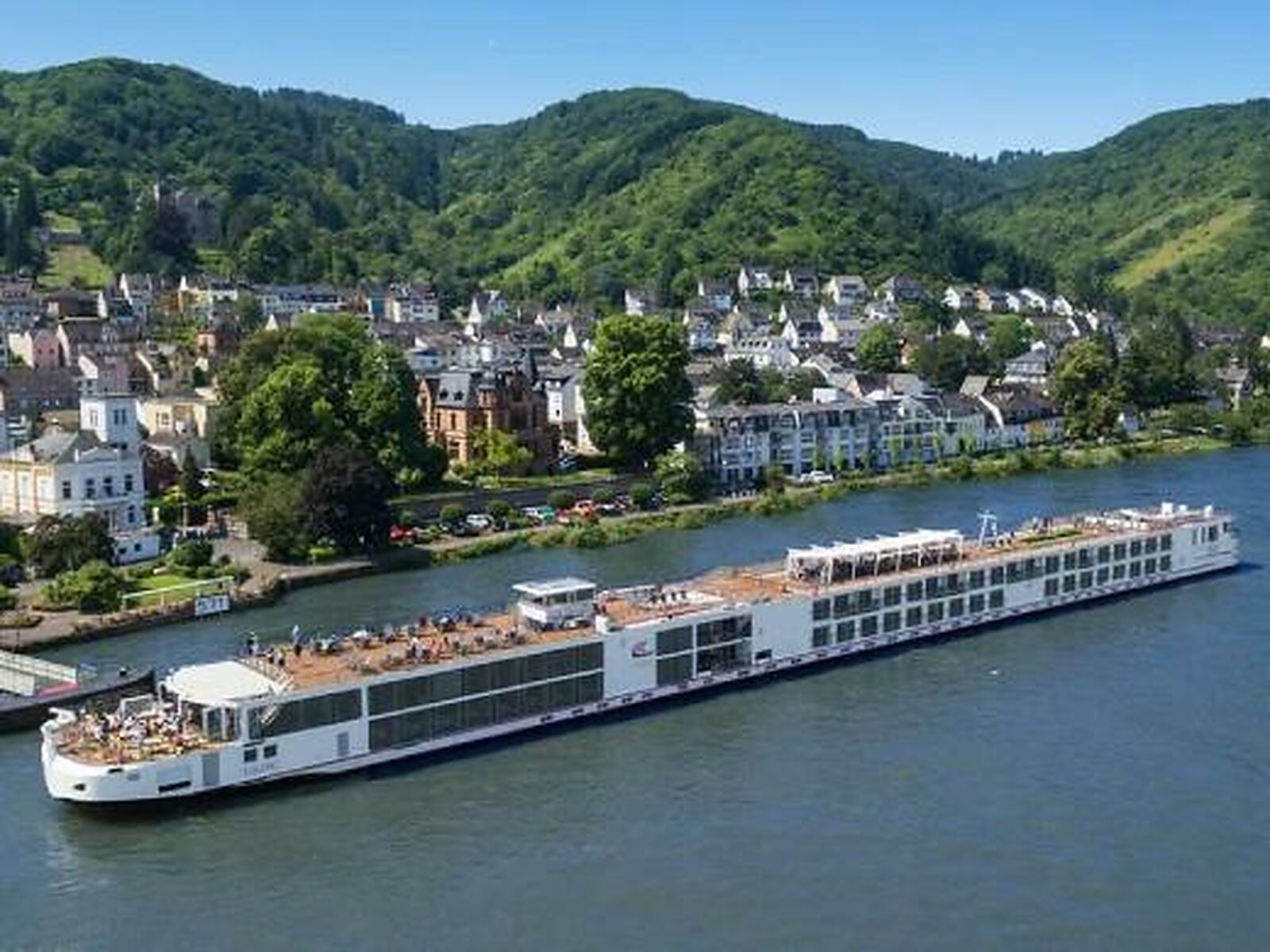
Fulla, trusted handmaiden of Frigg, is the keeper of treasures and secrets. She is renowned for her golden headband and her role as guardian of prosperity. Loyal and generous, Fulla also symbolizes grace and good fortune.
View Ship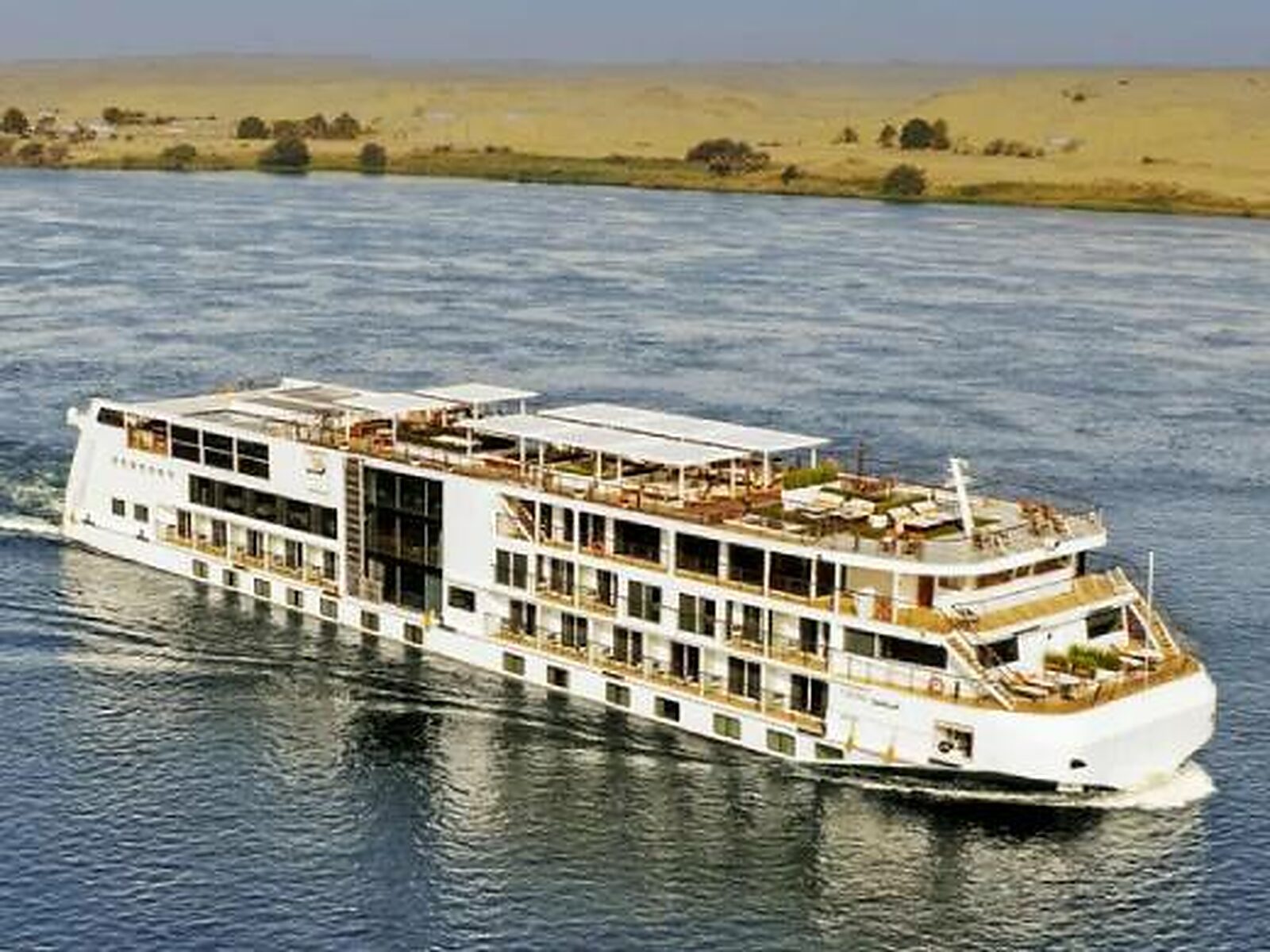
A central figure in Egyptian mythology, Geb was the god of the earth, symbolizing fertility, abundance and the life-giving power of the soil. Ancient Egyptians believed that his laughter caused earthquakes and that his body formed the fertile land of Egypt. In artistic forms, he is often depicted beneath his wife, the sky goddess Nut, representing the separation of earth and sky. He was also associated with healing—particularly in treating scorpion stings—and played a crucial role in the succession of divine kingship.
View Ship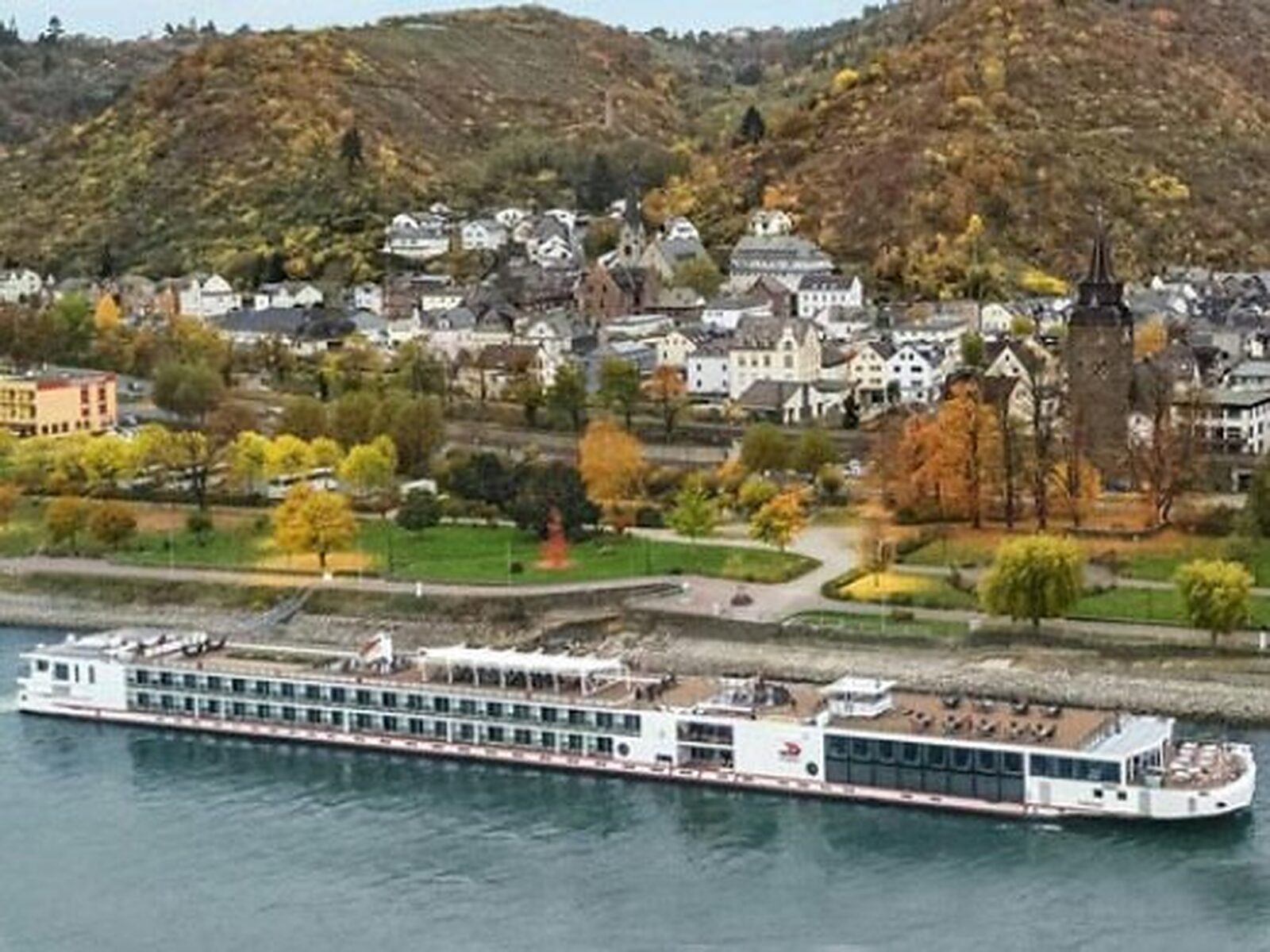
Gefjon is credited with the creation of the Danish island of Zealand. When the ruler of Sweden offers her all the land she and four oxen can plow in a day and a night, she transforms her four sons into beasts of burden. Together, they uproot a swathe of earth from the mainland and deposit it into the sea, creating Zealand. This act of might earns Gefjon respect among gods.
View Ship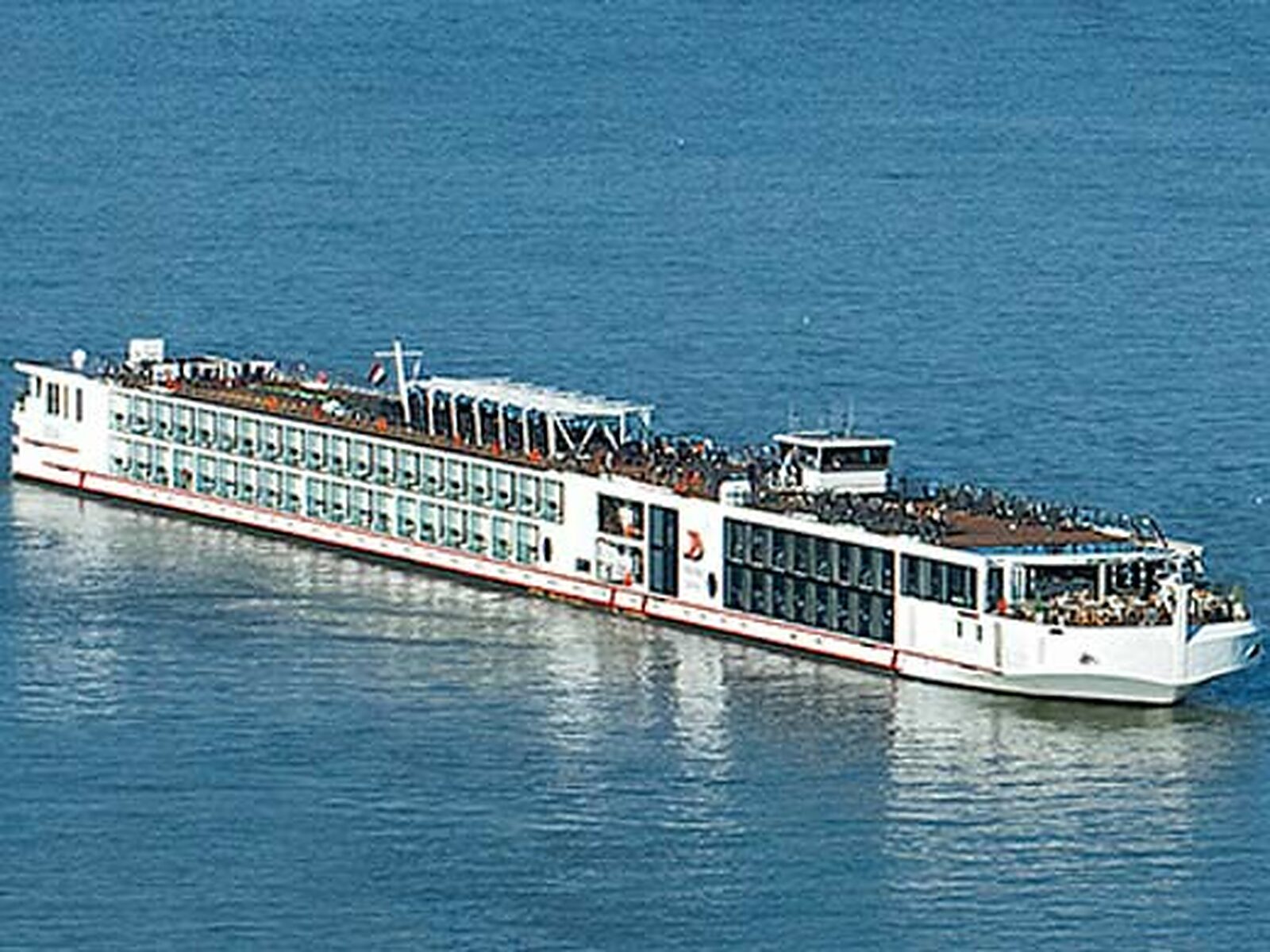
Daughter of Freya, the goddess of love, and the god Od, Gersemi is associated with great riches and beauty. Her name, along with the name of her sister Hnoss, translates into “treasure.” Gods and mortals alike envied her for her strength and serenity.
View Ship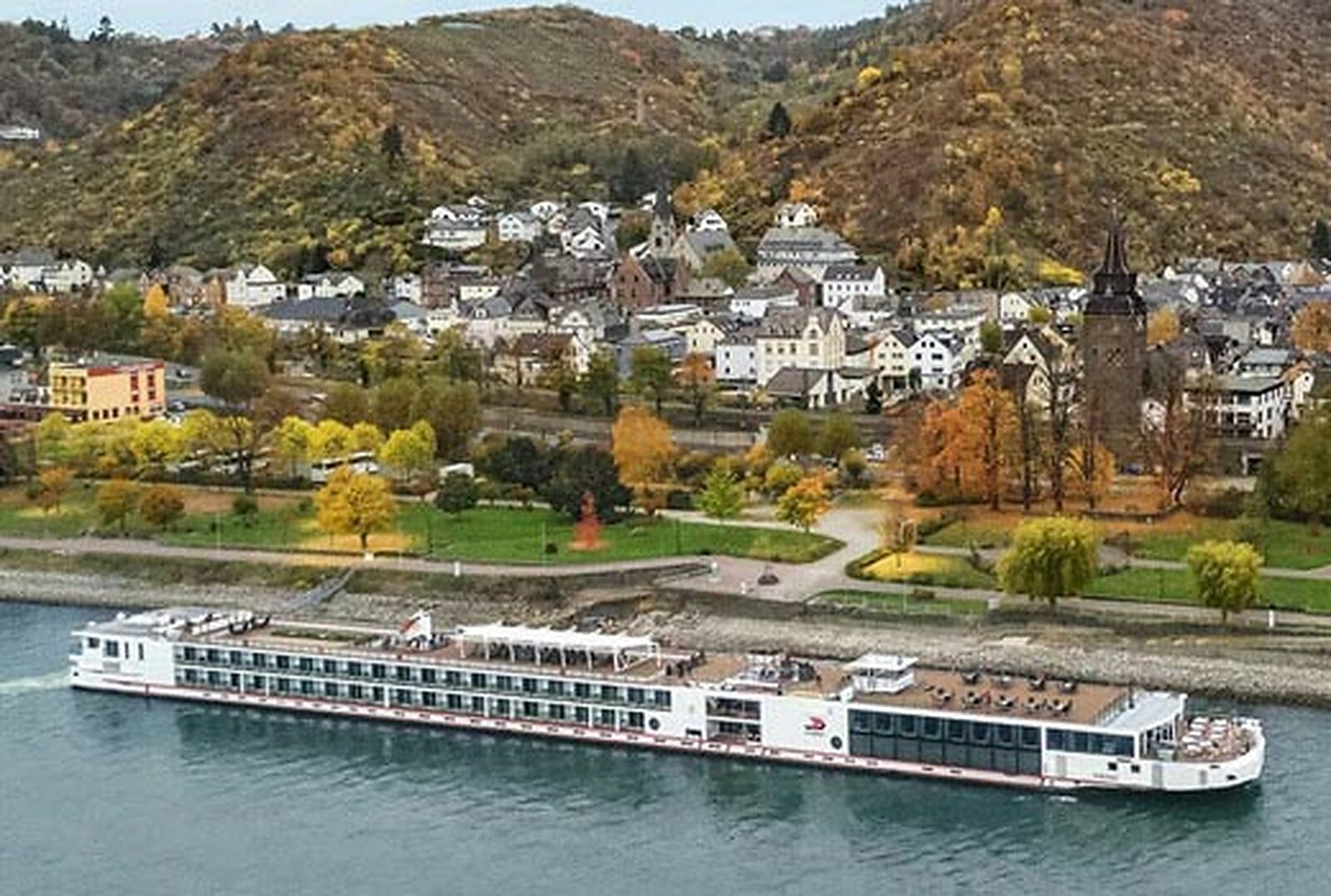
Her name means “gold branch.” This beautiful, beguiling Norse sorceress loves and desires nothing more than gold. When she leaves the realm of the Vanir gods and travels to Asgard, home of the Aesir gods, in search of gold, Gullveig talks of nothing else. Worried by her gold-lust, the Aesir cast her into the fire three times. Each time she rises from the flame brighter and more beautiful. When she then returns to the Vanir, they vow to avenge her mistreatment, and so begins the fabled war between the worlds.
View Ship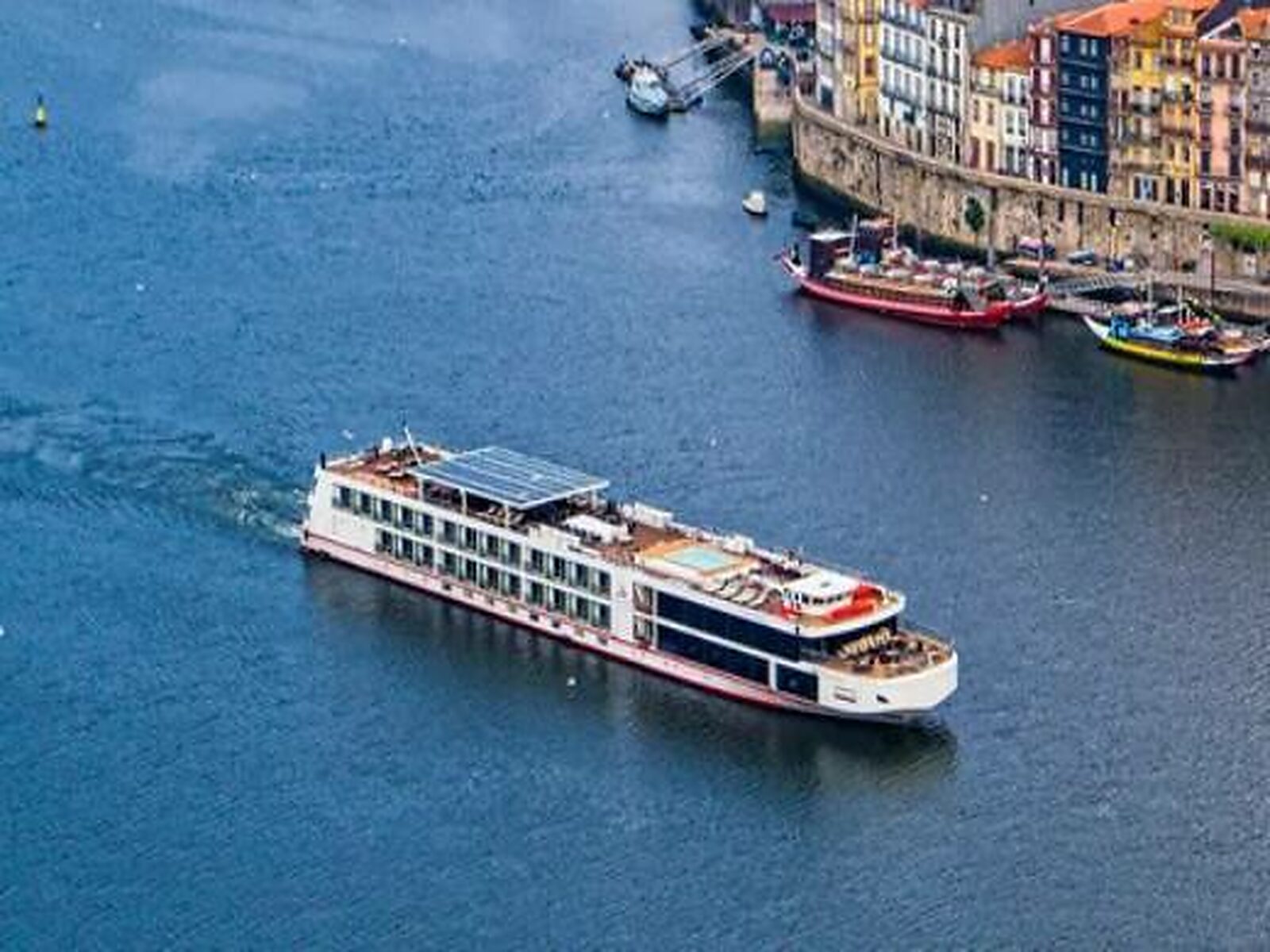
Gyda is a name that appears in various sagas and historical texts. One notable figure named Gyda was the daughter of Eirik, King of Hordaland. According to legend, she played a significant role in King Harald Fairhair’s quest to unify Norway.
View Ship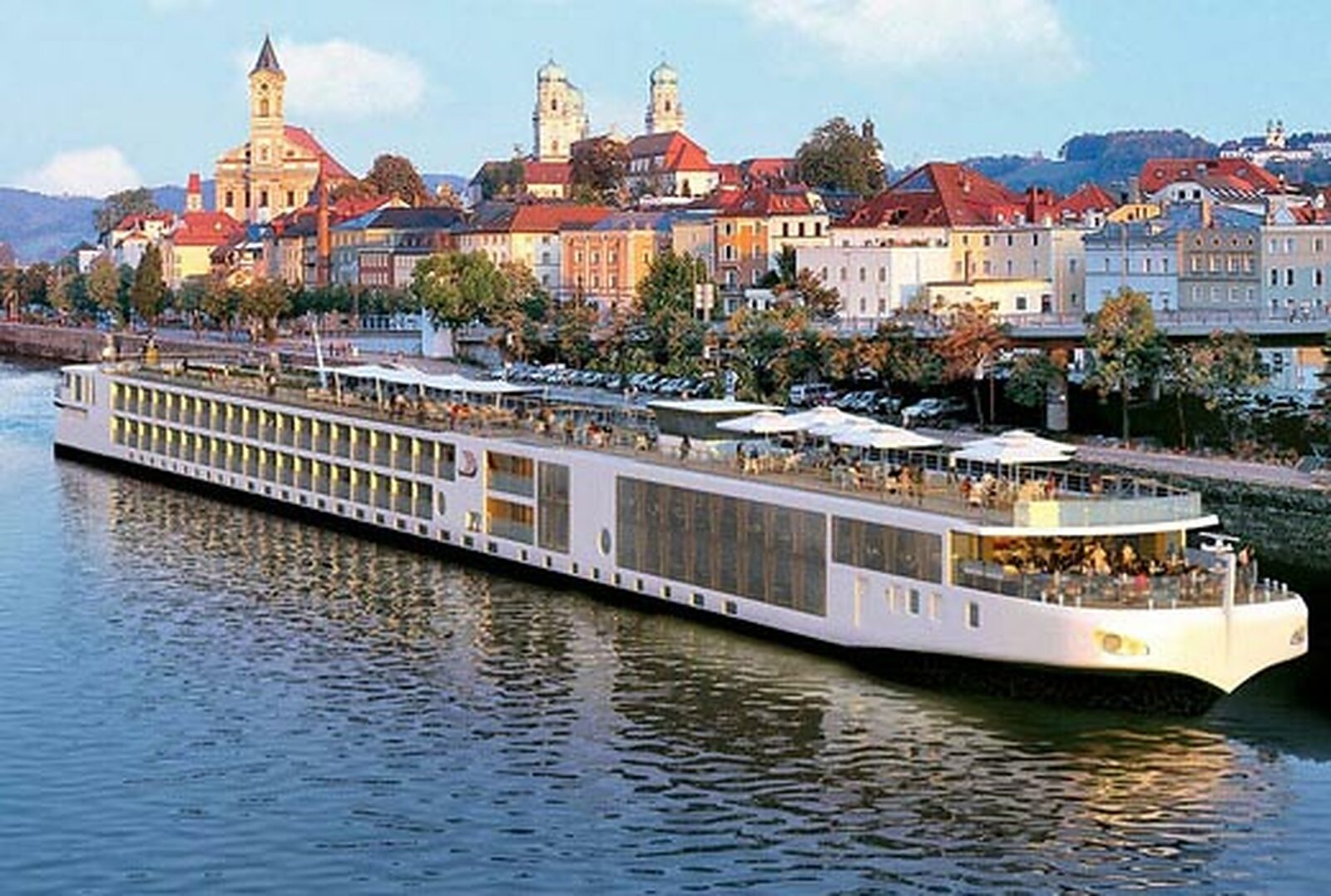
Gymir is a wealthy Jötunn (a race of giants in Norse mythology) who, by some accounts, is said to be the same mythological figure as Aegir, the giant god of the sea. According to legend, Gymir is well-respected among the gods for his fine ales and feasts. He is also the father of the beautiful giantess Geror, wife of the god of harvest, Freyr.
View Ship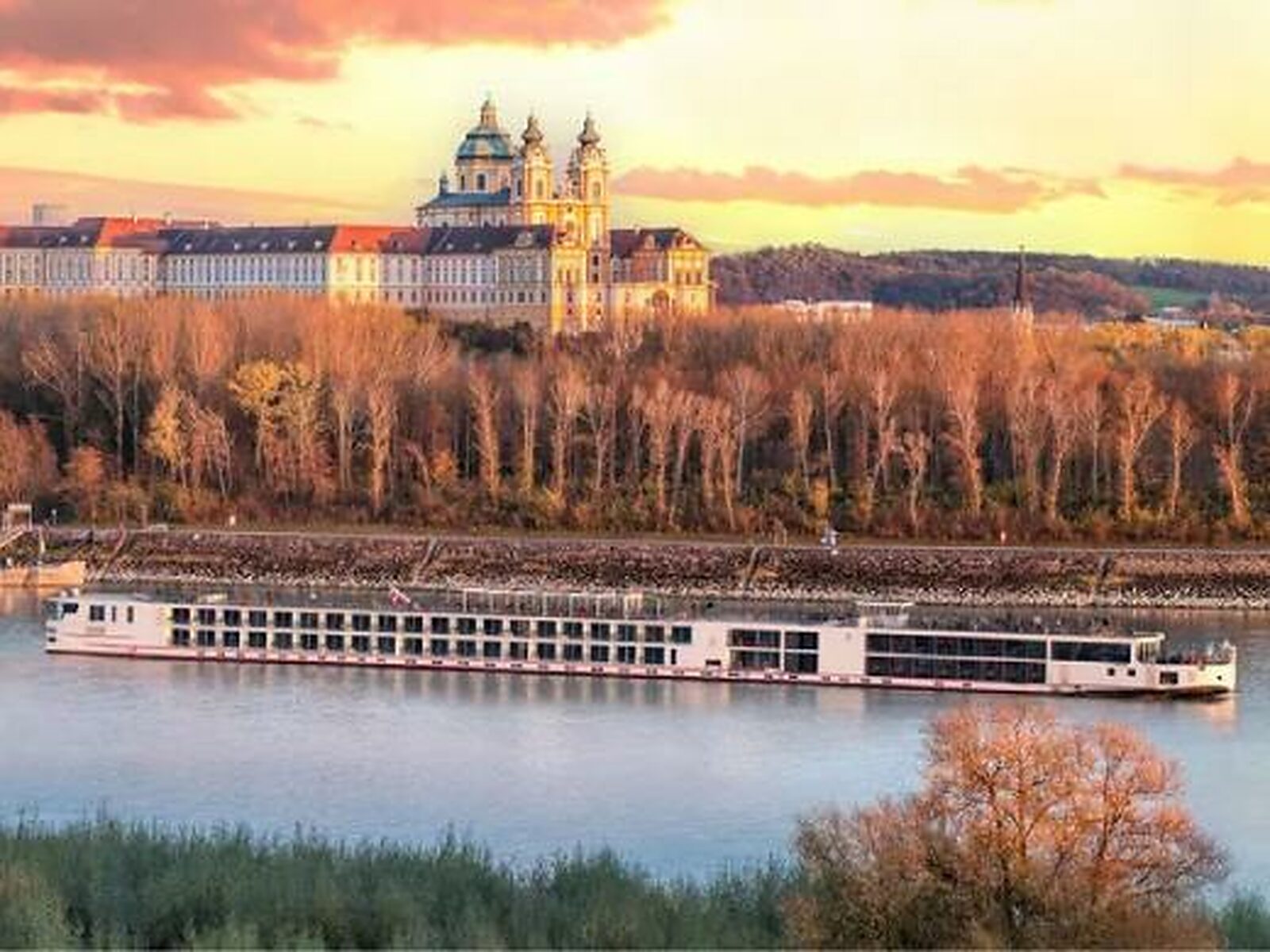
In Norse mythology, Haki was a formidable king who commanded a large army of warriors. His forces defeated the Swedish army led by King Hugleik in the great battle at Fýrisvellir. Haki then proclaimed himself King of Sweden and held this seat of power for three years before he was killed during an attack by two kinsmen of the former ruler, who sought revenge.
View Ship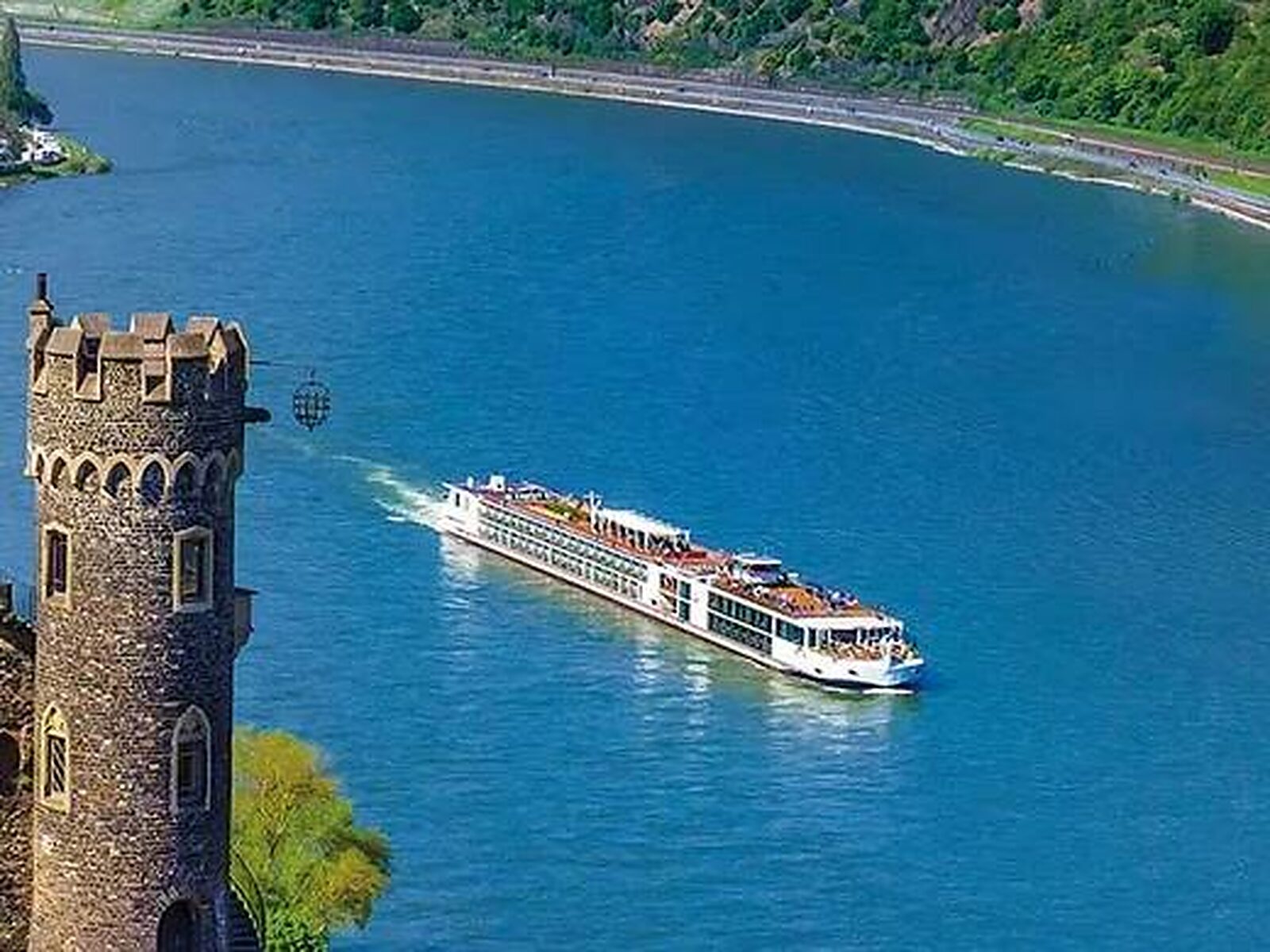
Hálogi, also known as Logi, was a jötunn, a supernatural giant and a powerful fire-spirit. With a fire giantess, Glöð, he had two beautiful daughters, Eisa (meaning “Embers”) and Eimyrja (“Ashes”). Logi was often associated with Kari, the god of the wind, and Aegir, the god of the sea. Together they represented the three primal elements on Earth—fire, wind and sea.
View Ship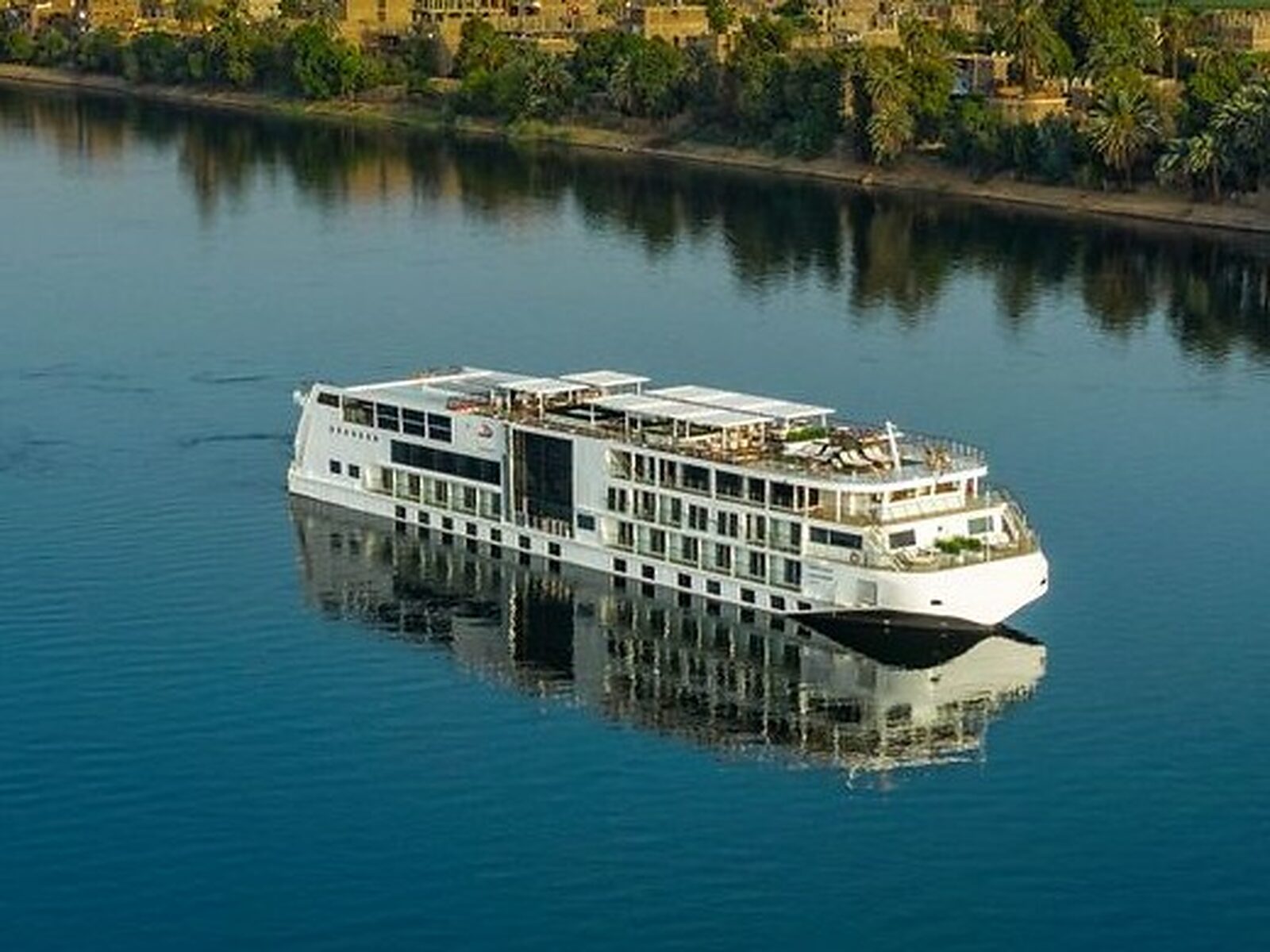
Owned and operated by Viking, Viking Hathor is a brand new sister ship to Viking Osiris and Viking Aton, the most upscale ships in Egypt. Specifically built to navigate the Nile, she is a state-of-the-art vessel—designed in the clean, elegant Scandinavian aesthetic for which Viking is known. Accommodating just 82 guests, she offers the ultimate in comfort.
View Ship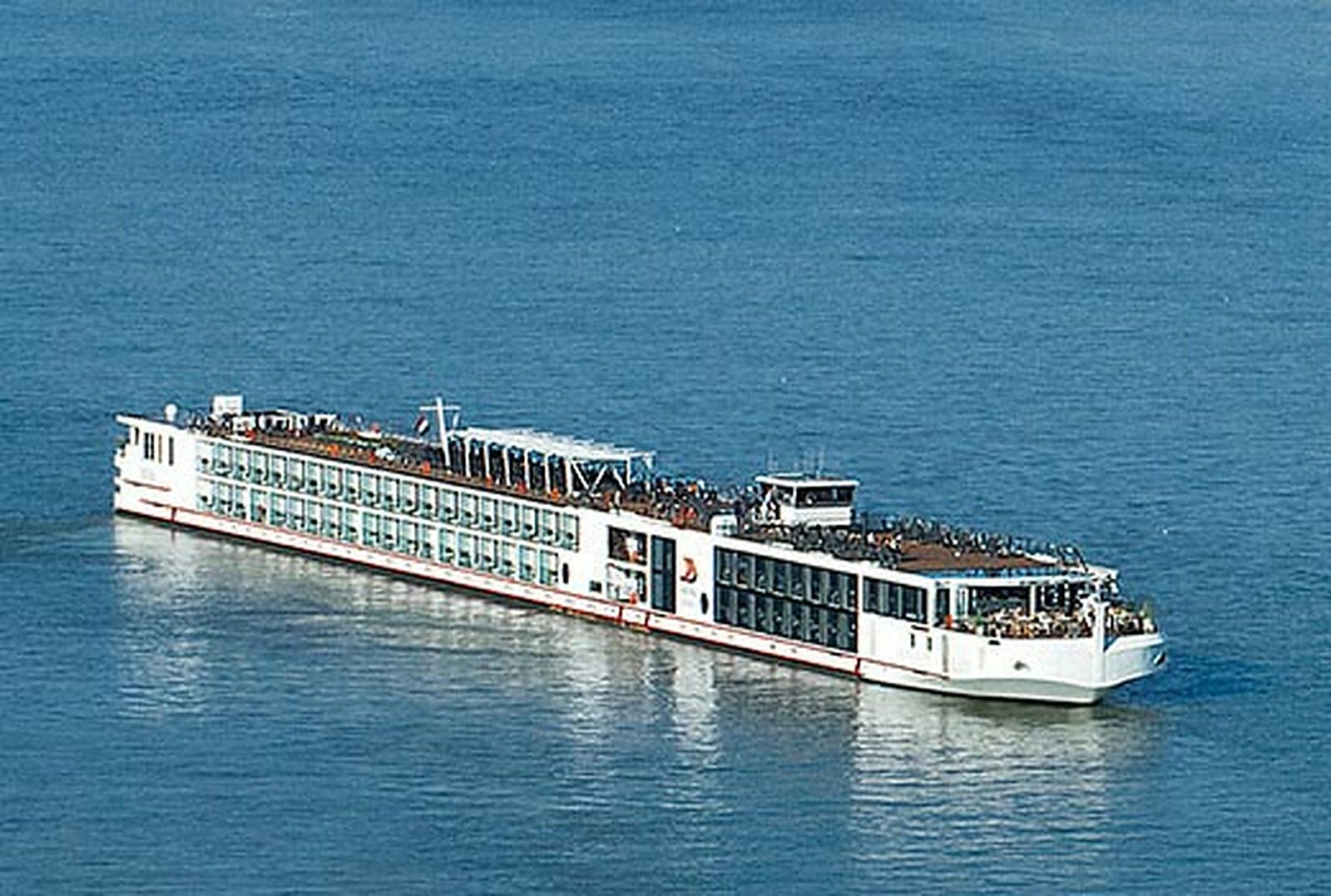
Tall and handsome and known for his purity of heart and mind, Heimdal is the ever-vigilant guardian of the gods. Heimdal is blessed with extraordinary sight and hearing. He can see for 100 leagues and can hear the grass growing. His horn, Gjallarhorn, can be heard throughout heaven, earth and the lower world.
View Ship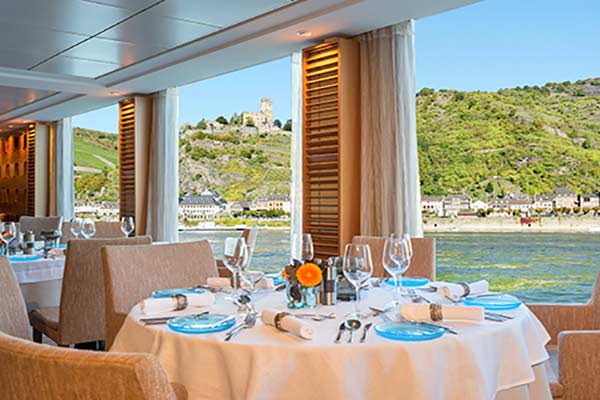
A prince and a prophet immortalized in Russian literature, Helgi was a Viking of adventure and of legend. In the early 10th century, Helgi inherited the ancient Russian empire Rus founded by Rurik, believed to be his brother-in-law.
View Ship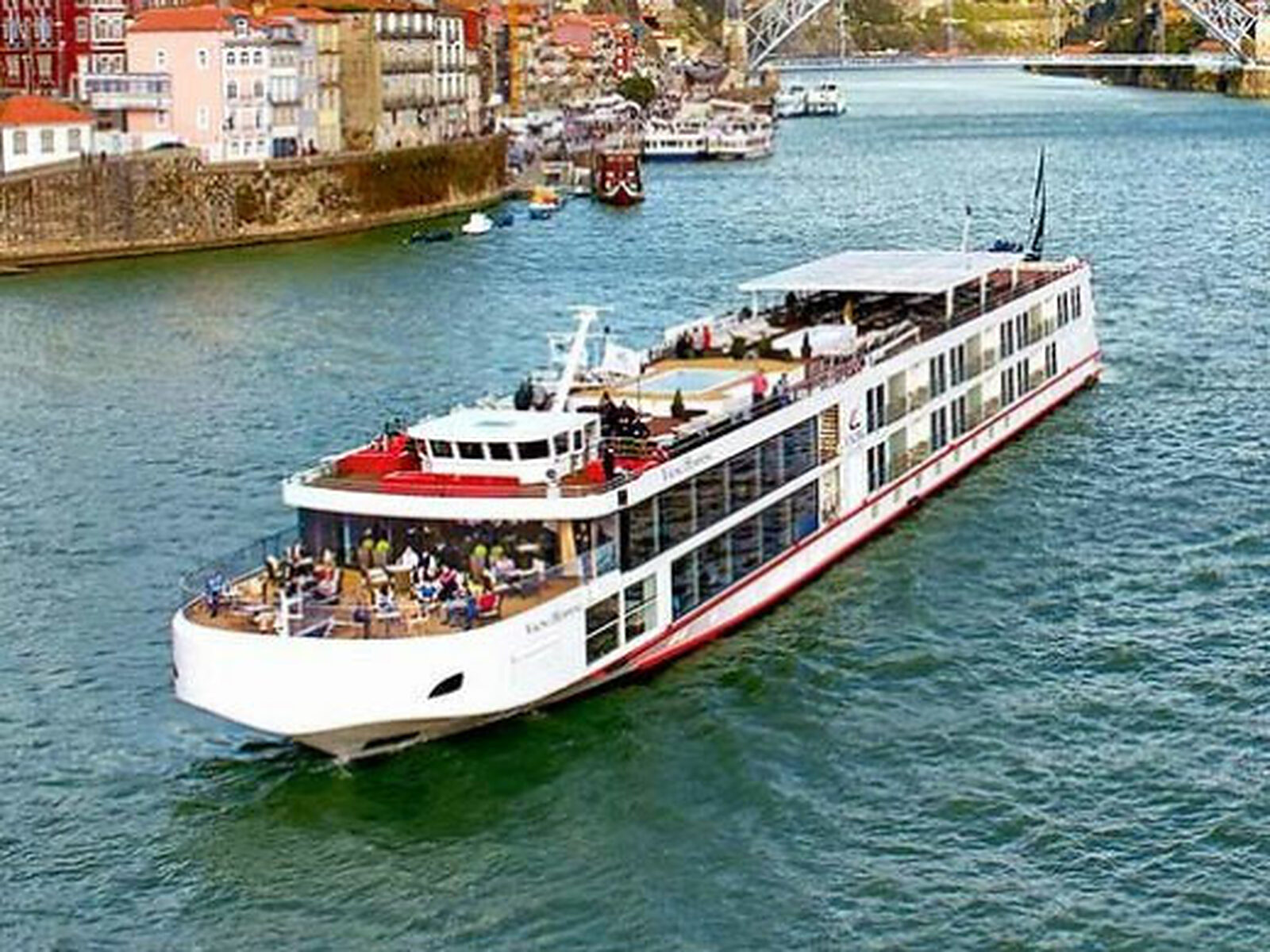
Helgrim co-led the first recorded mission from Norway to England at the command of Harald I, King of Norway. Harald corresponded with Athelstan, King of Wessex, and the Norwegian king dispatched Helgrim and Osfrid to sail to England and deliver Harald’s gift of a fine ship.
View Ship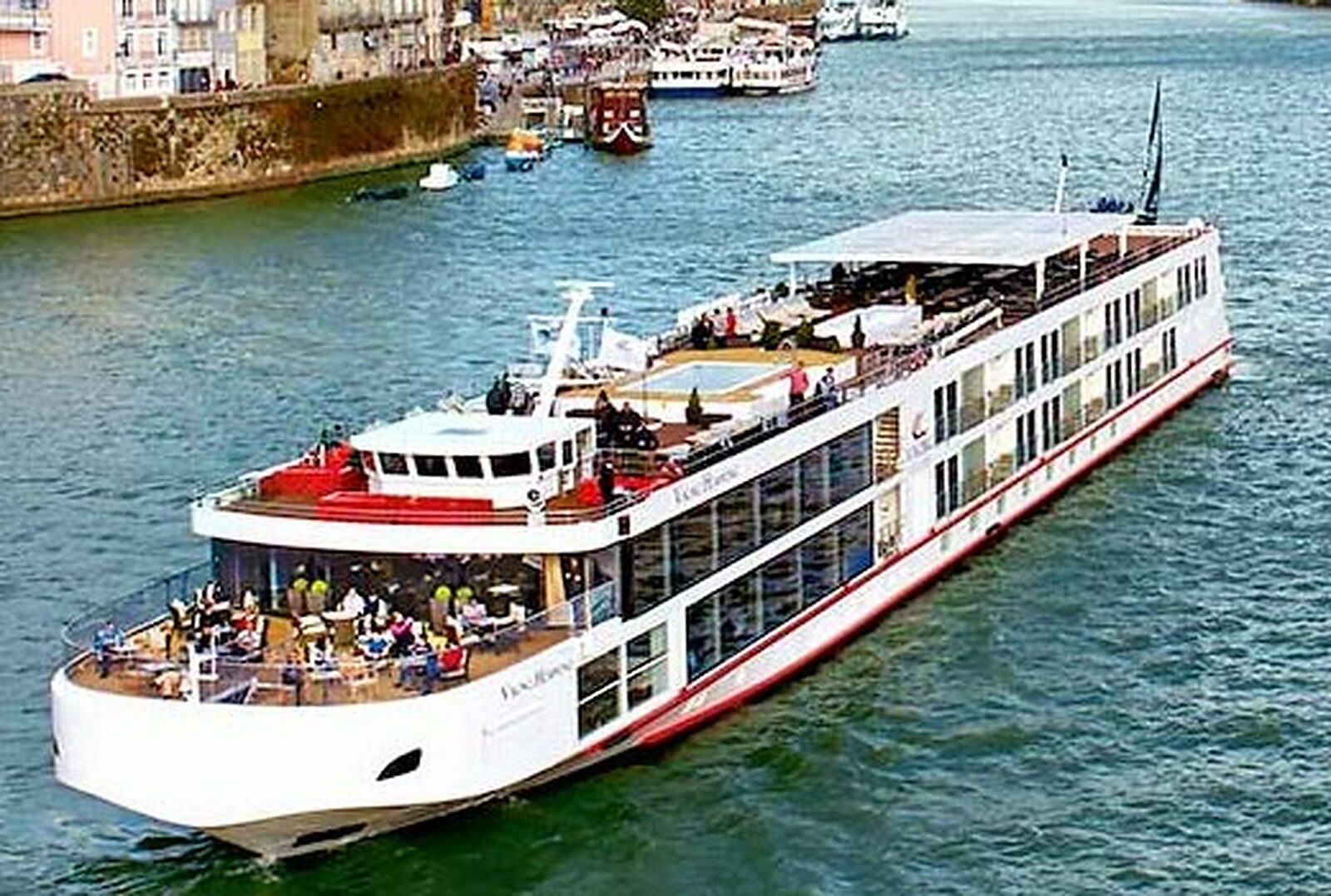
Hemming was a Danish king for only two years, but his reign helped shape the future of Franco-Danish relations immeasurably. He was best known for signing the Treaty of Heiligen with the Frankish emperor Charlemagne in 811.
View Ship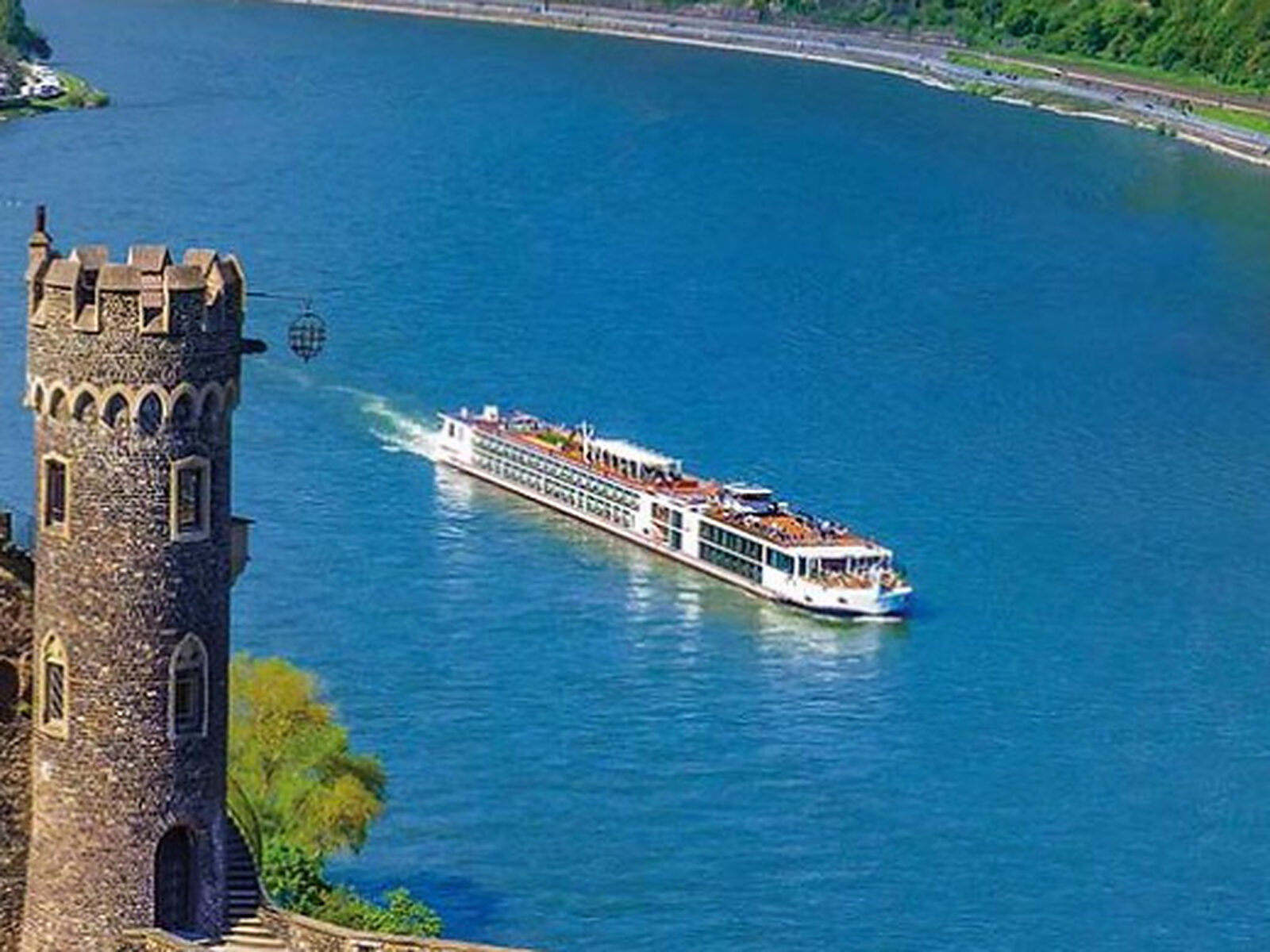
In the Prose Edda, the respected 13th-century chronicle of Old Norse mythology, Herja was a mighty Valkyrie.
View Ship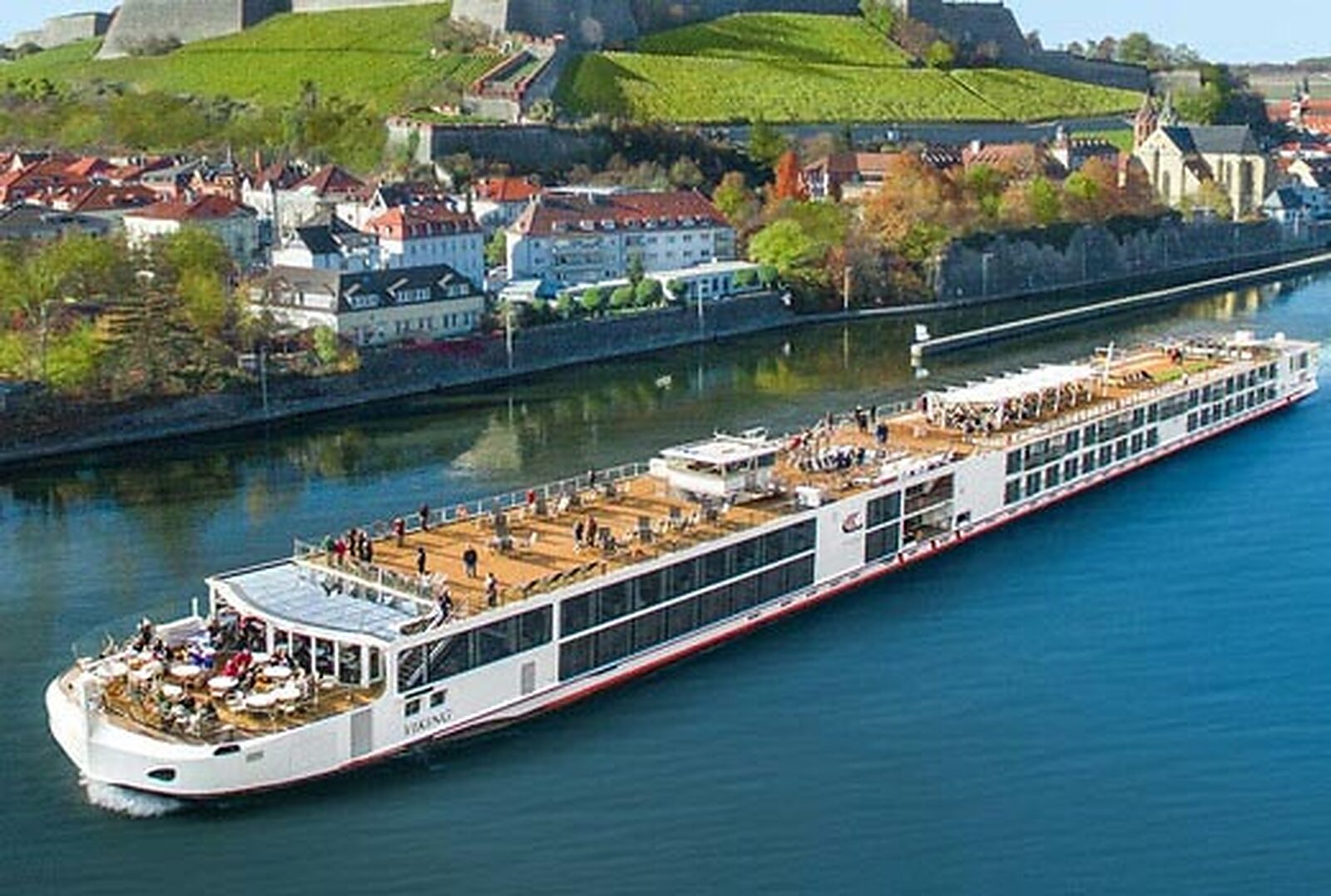
Son of Odin, father of the Norse gods, and Frigg, goddess of motherhood and marriage, Hermod is the swift and nimble messenger of the gods who is famous for his bravery.
View Ship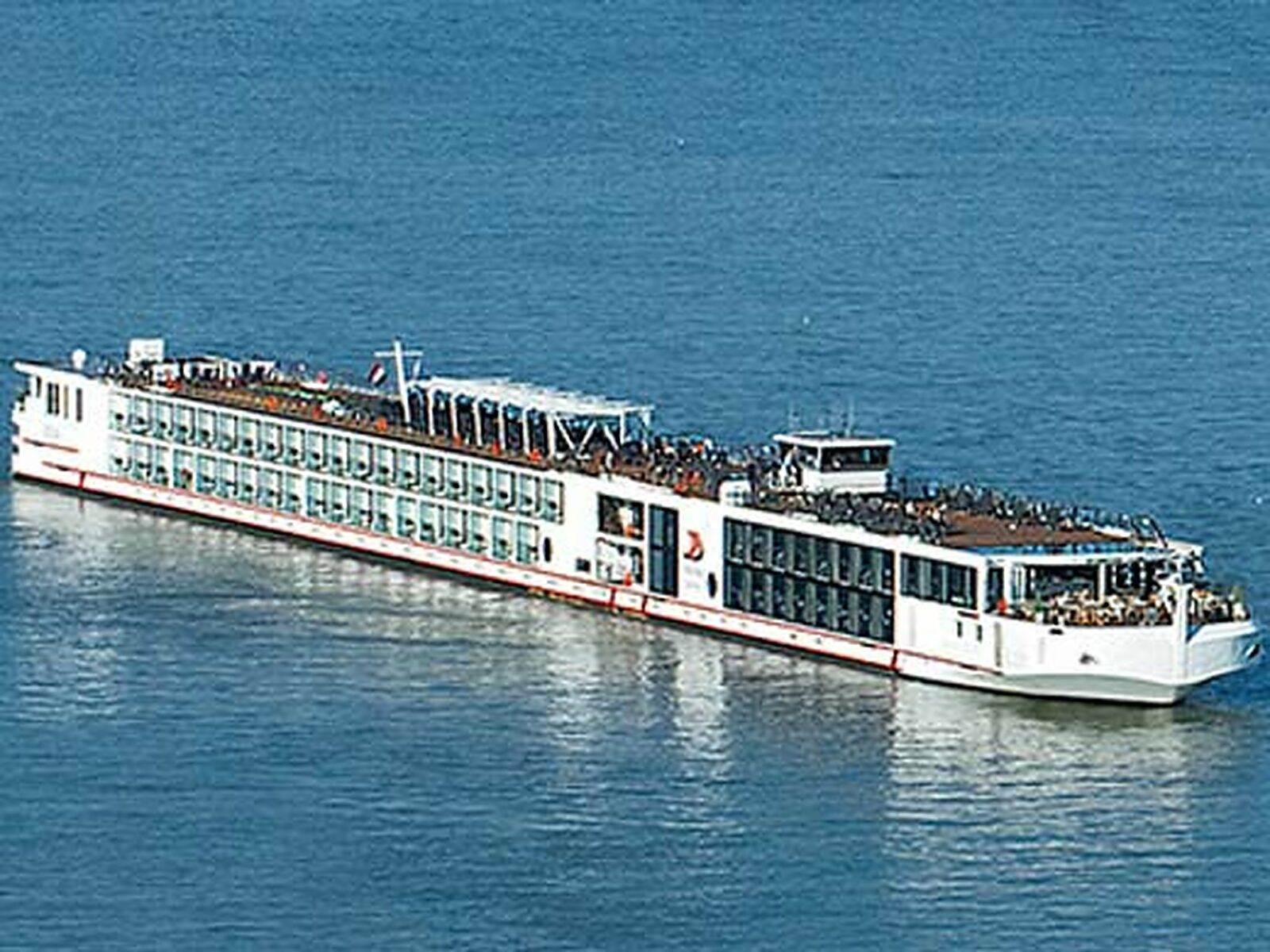
Valkyrie Hervor’s dedication to Odin during wartime is illustrated by her well-known story. During a time of peace, she was spinning flax by a lake when the blacksmith Volund came along and took the fair-haired woman as his wife. After they were married for seven years, Hervor was called to battle and never returned.
View Ship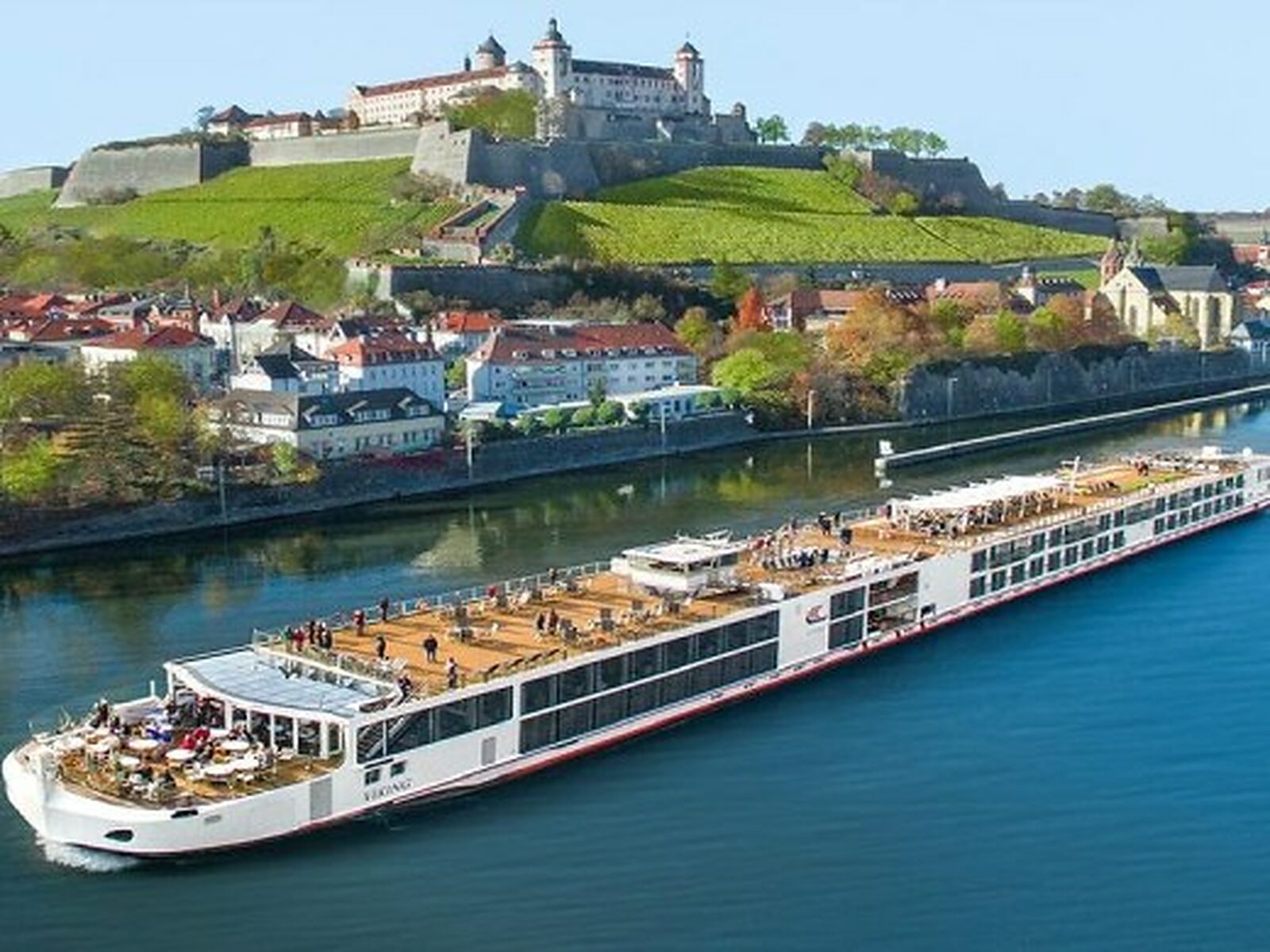
Also known as Hildr, the great and powerful Norse goddess Hild was one of the legendary Valkyries.
View Ship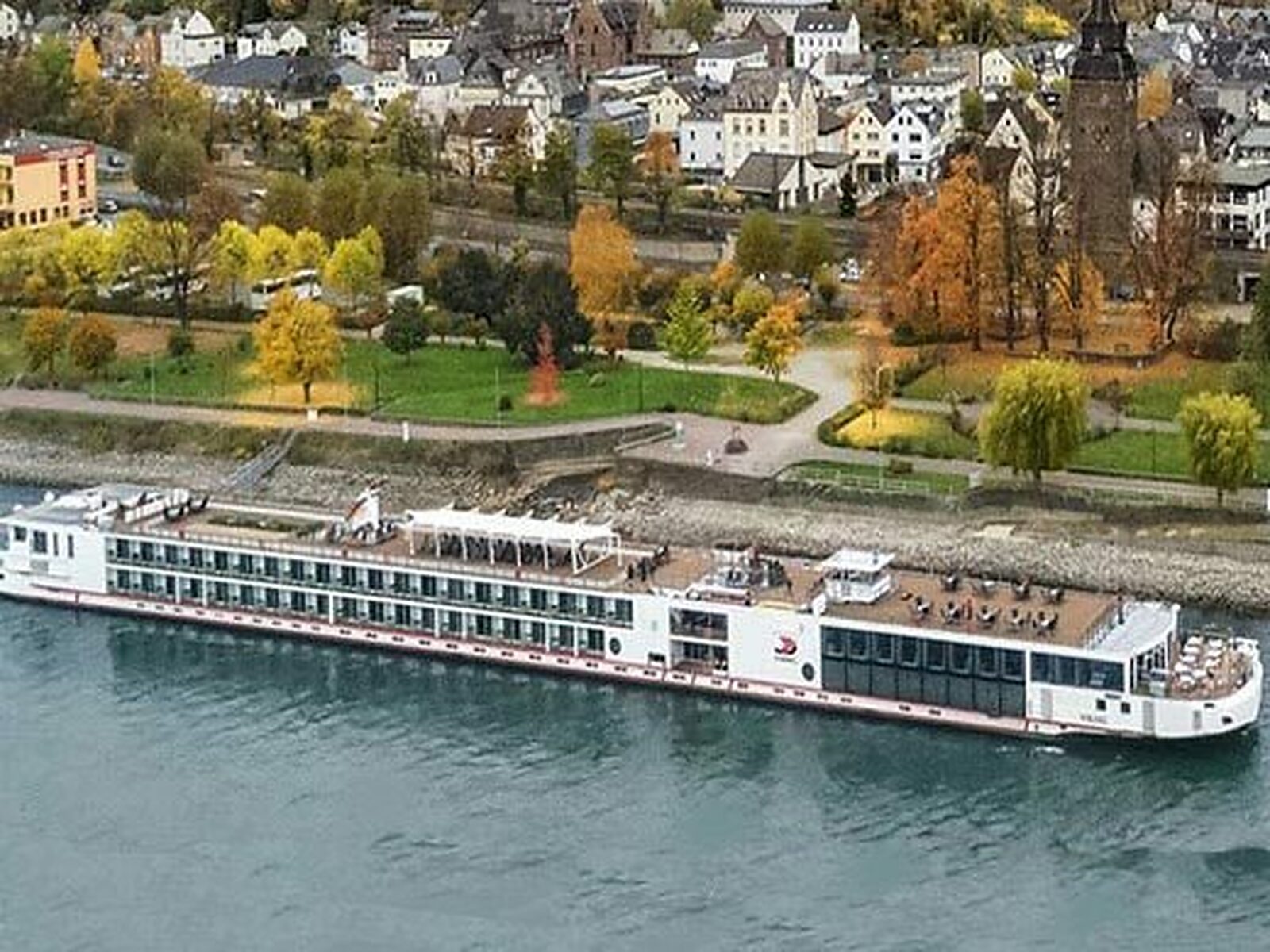
The task of the Norse goddess Hlin is to protect and shelter humankind. She is also the goddess of consolation and brings comfort and solace to those who grieve, kissing away their tears. Hlin is deeply compassionate in an unsentimental way, and a wise teacher. Thanks to her guidance, we learn how to honor our dead, and integrate their love and wisdom into the daily lives.
View Ship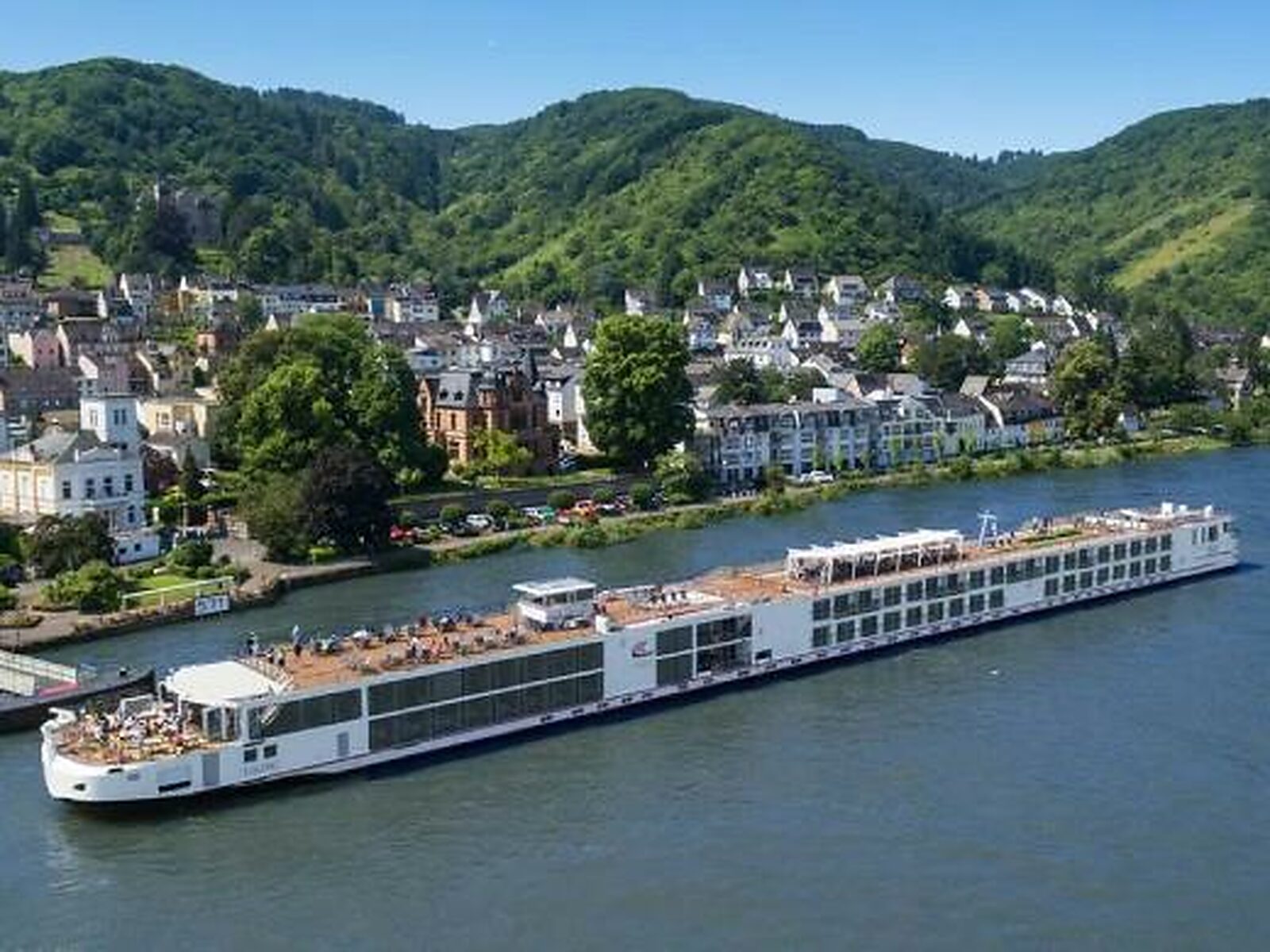
Hnoss, whose name means “jewel,” is a Norse goddess celebrated for her beauty and elegance. Daughter of Freyja, goddess of love, Hnoss radiates refinement and personifies all that is rare and cherished.
View Ship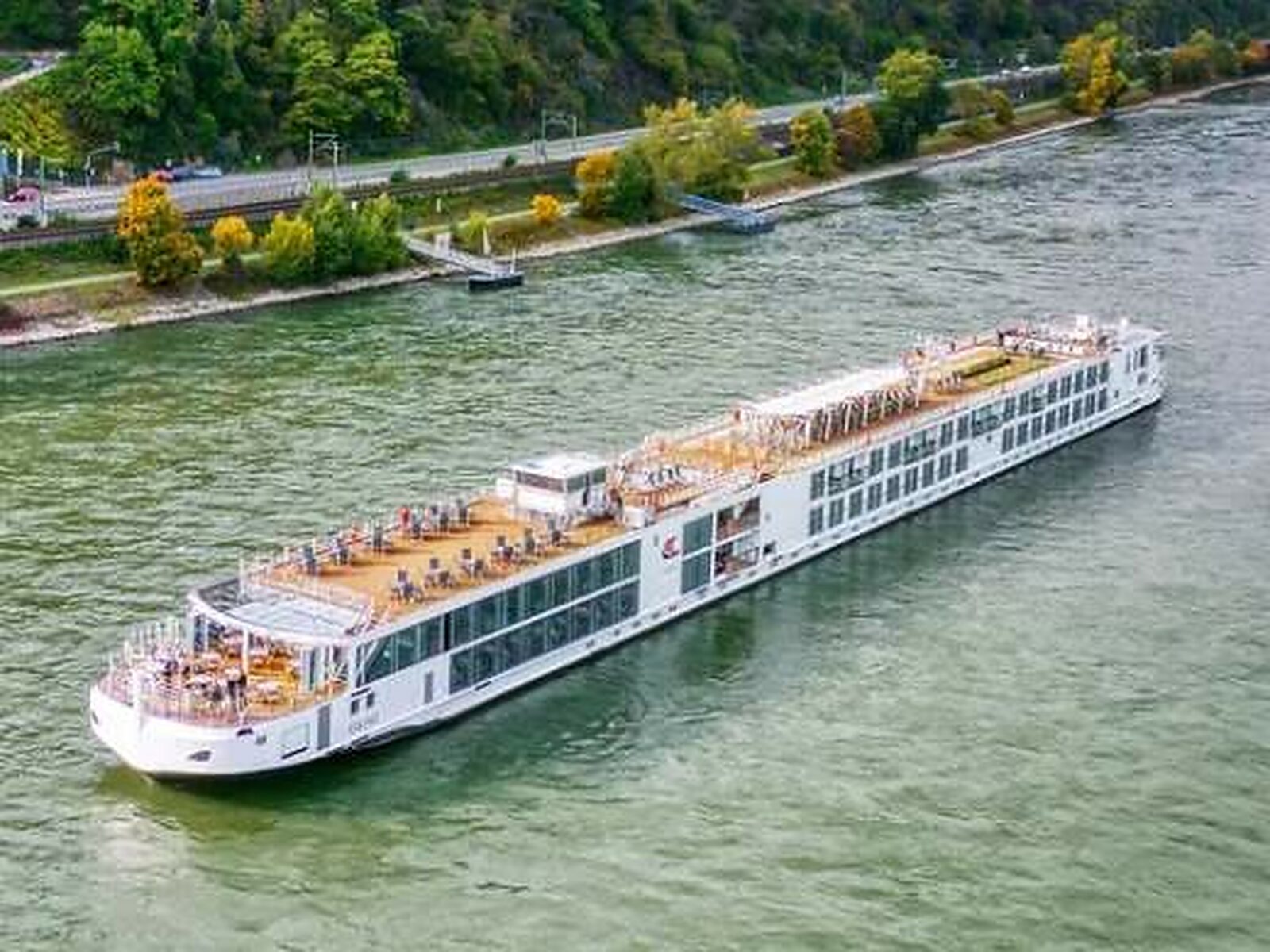
Known for his wisdom and eloquence in Norse mythology, Honir played a crucial role in the creation of humans. He bestowed the gift of óðr to them, which encompasses poetic inspiration and intellectual insight.
View Ship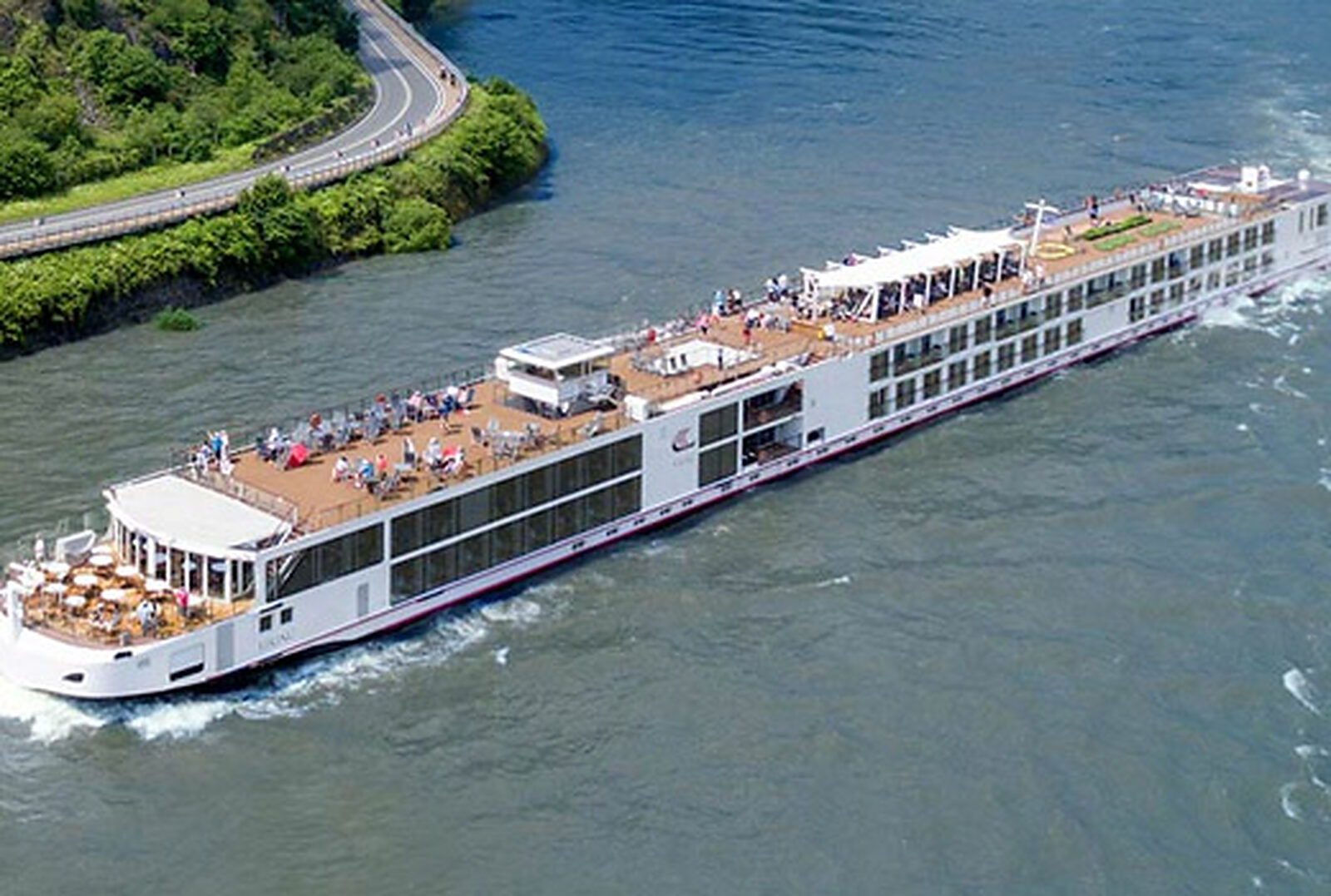
Idi, the frost giant, is the brother of Thjazzi and Gangr, and the son of Olvadi who was extremely rich in gold. When Olvadi died, he left such a vast amount of gold that no scale could measure it. To divide their inheritance, Idi and his brothers each take as much gold as their giant mouths will hold.
View Ship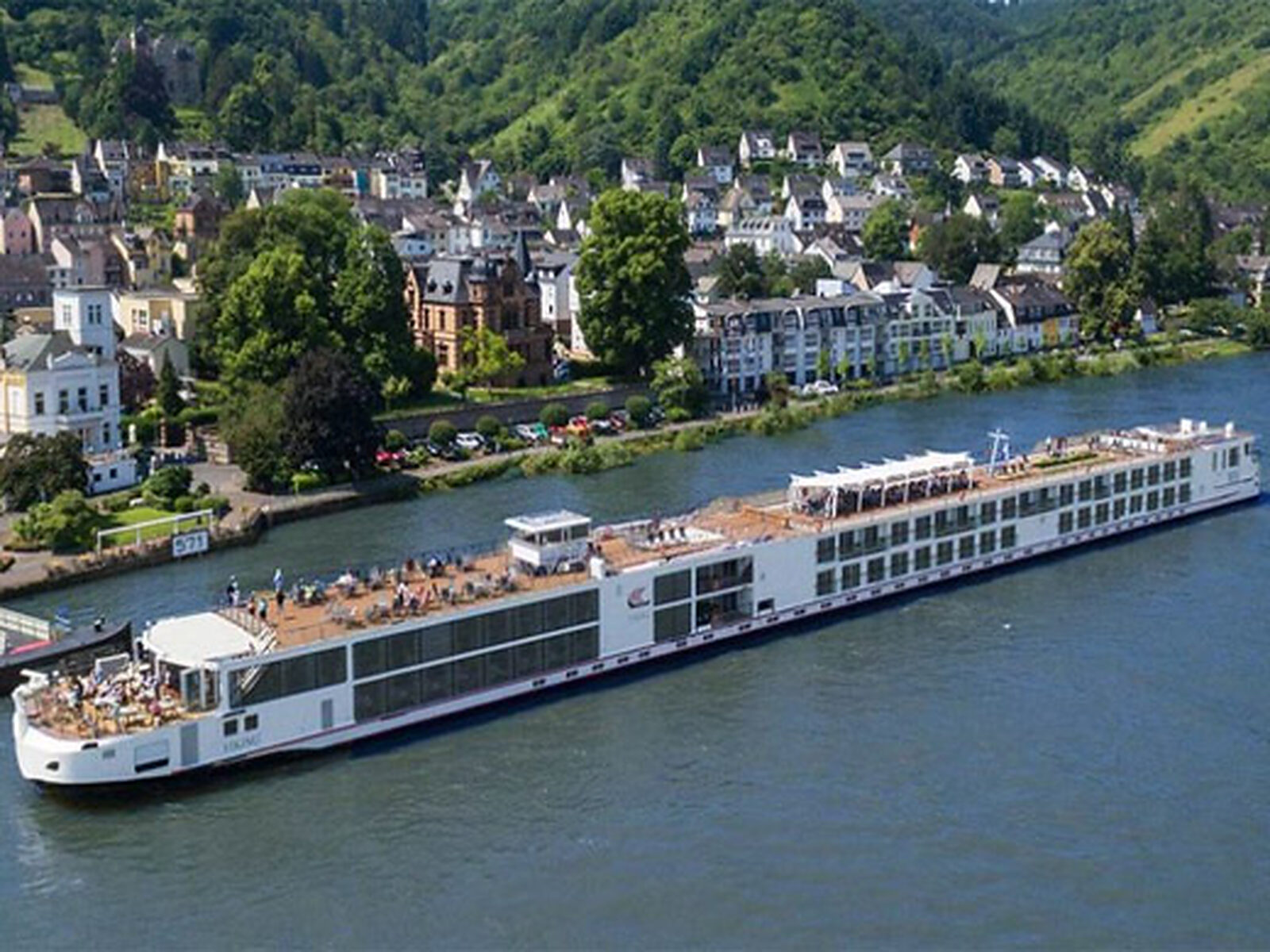
Idun is the Norse goddess of spring, rejuvenation and eternal youth. She is the custodian of the golden apples of immortality which the gods must eat to preserve their youth.
View Ship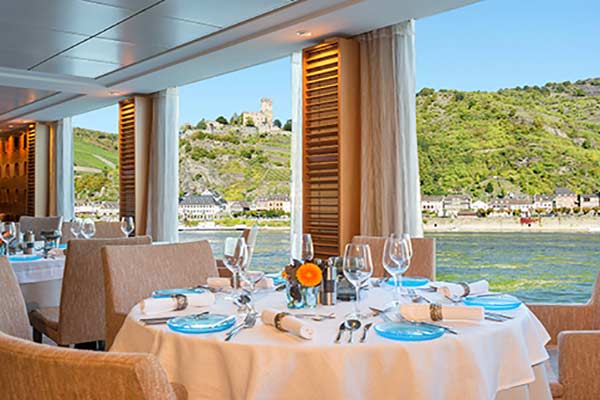
Son of Rurik, Ingvar was born around 875 AD and succeeded Helgi as Grand Prince of Kiev and took control of the ever-expanding empire. He also ruled for around 30 years and carried the conquests of Kievan Rus further, forging east and undertaking campaigns against Persia, Constantinople and Bulgaria.
View Ship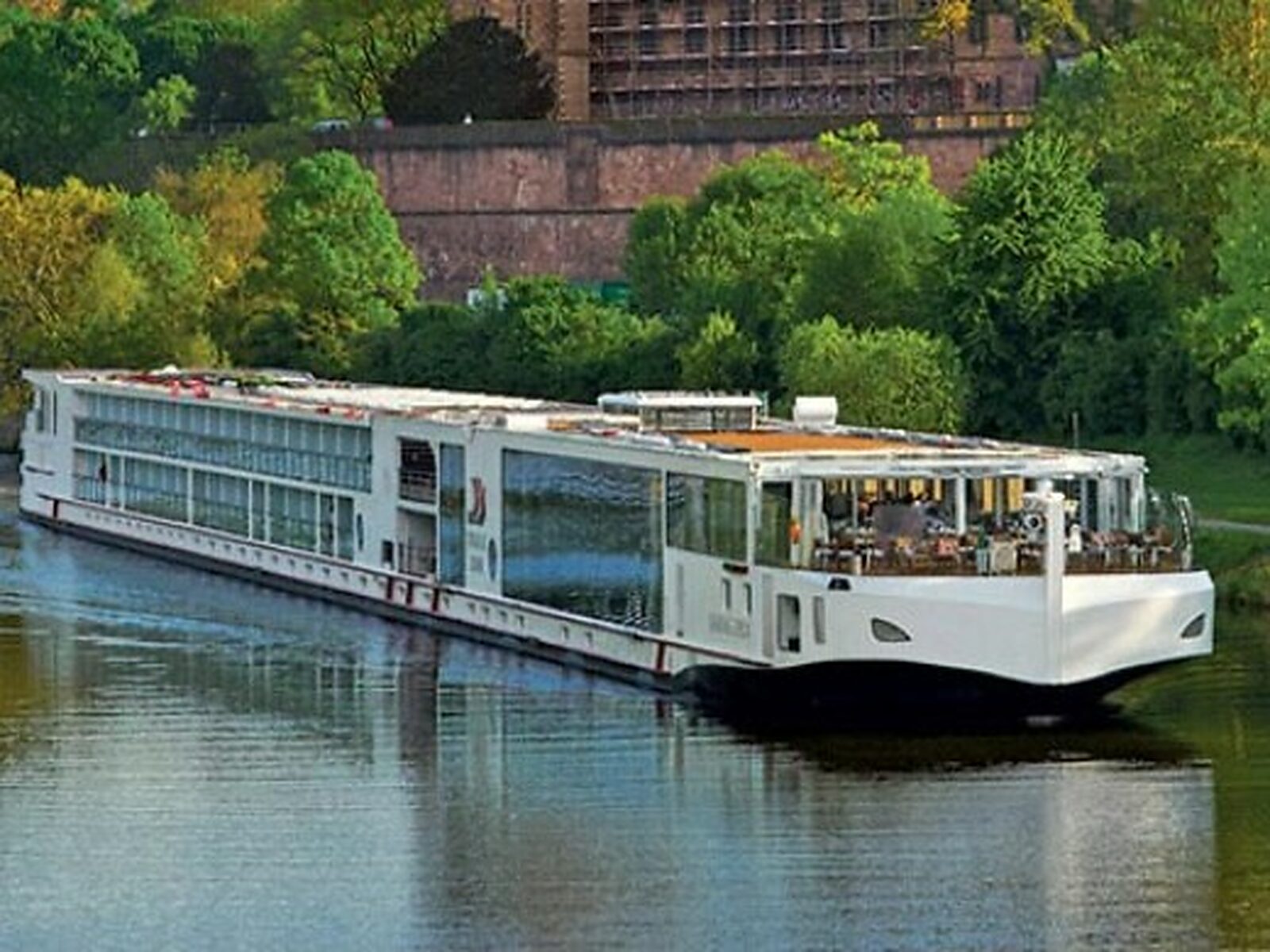
In Norse mythology, Ingvi is the son of Odin, father of the gods. Ingvi (sometimes spelt Yngve) is a divine ancestor of the legendary Scandinavian dynasty, from whom the earliest historical Norwegian kings claimed to be descended from.
View Ship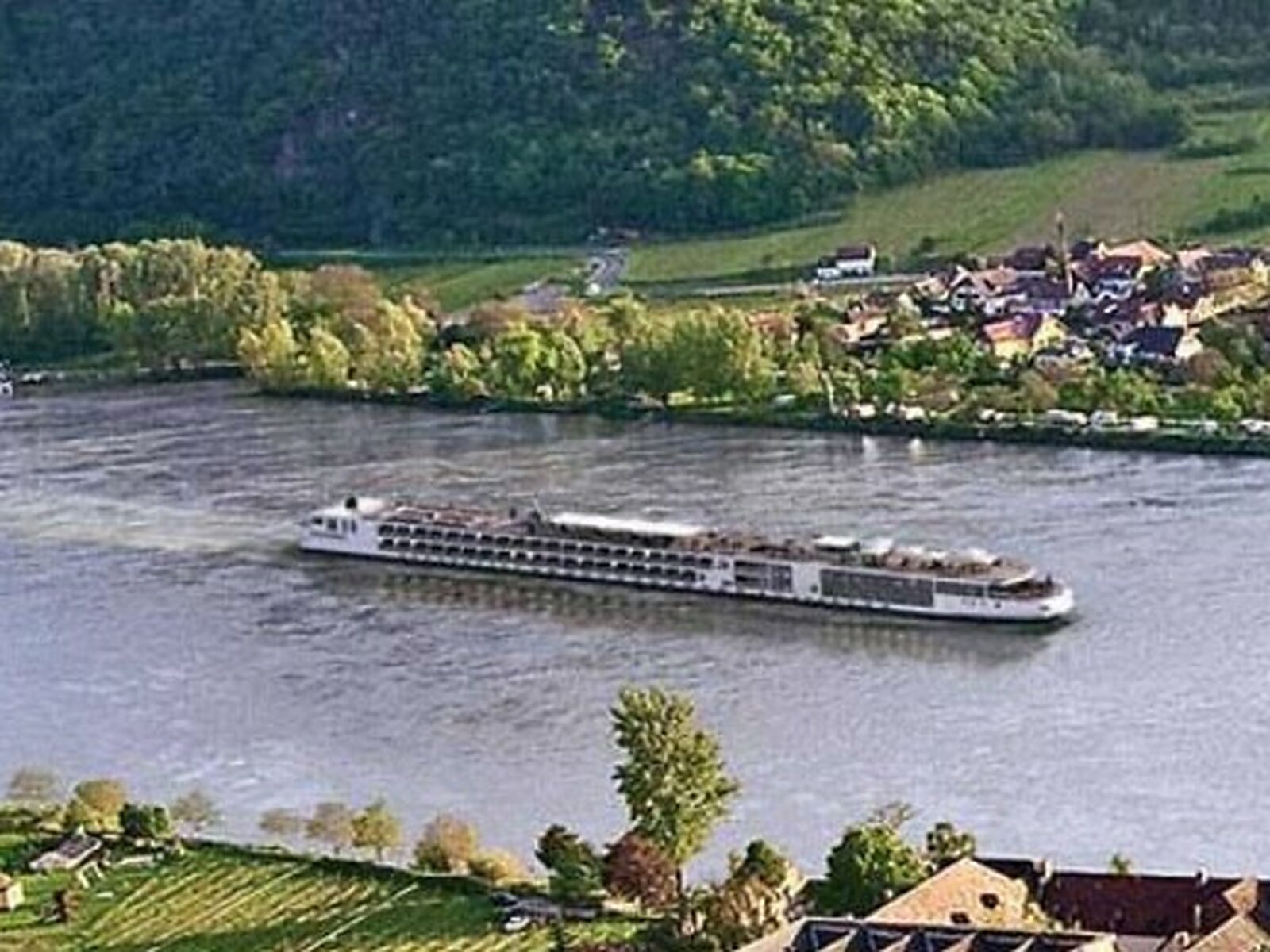
Jarl is a noble Norse warrior renowned for his strength and intelligence. According to Norse legend, Heimdal disguised himself as a human named Rig, and leaves his post at the gateway to Asgard, where he is guarding the gods, to travel the earth where he fathered three children: Thrall (serf), Karl (freeman) and Jarl (earl).
View Ship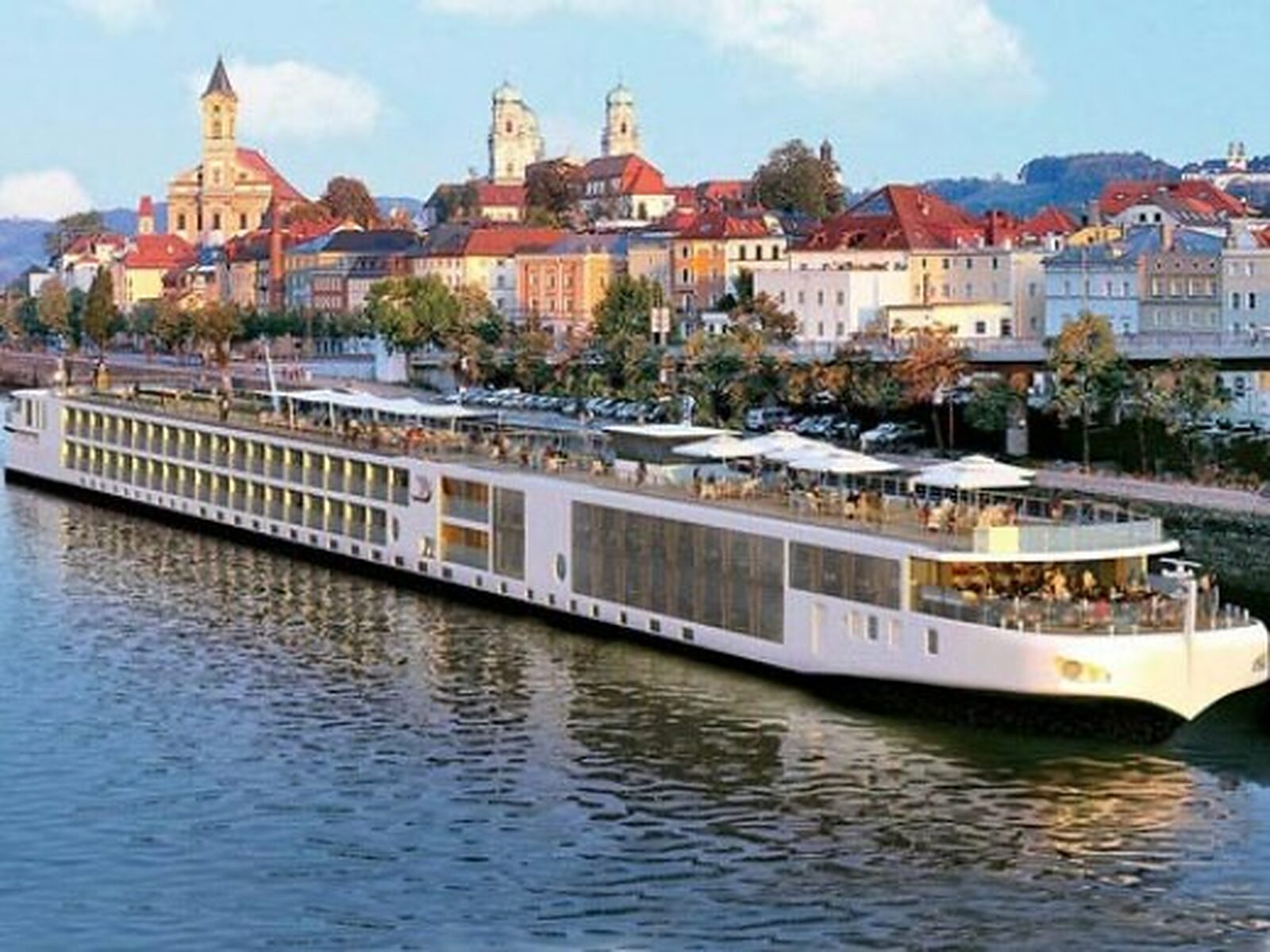
Kadlin was the daughter of Rolf, a Norse nobleman who conquered and ruled over the Viking principality that became known as Normandy. Kadlin married King Bjolan of Scotland. Kadlin and Bjolan had a daughter, Midbjorg, who married Helgi Ottarson, an Icelandic Viking.
View Ship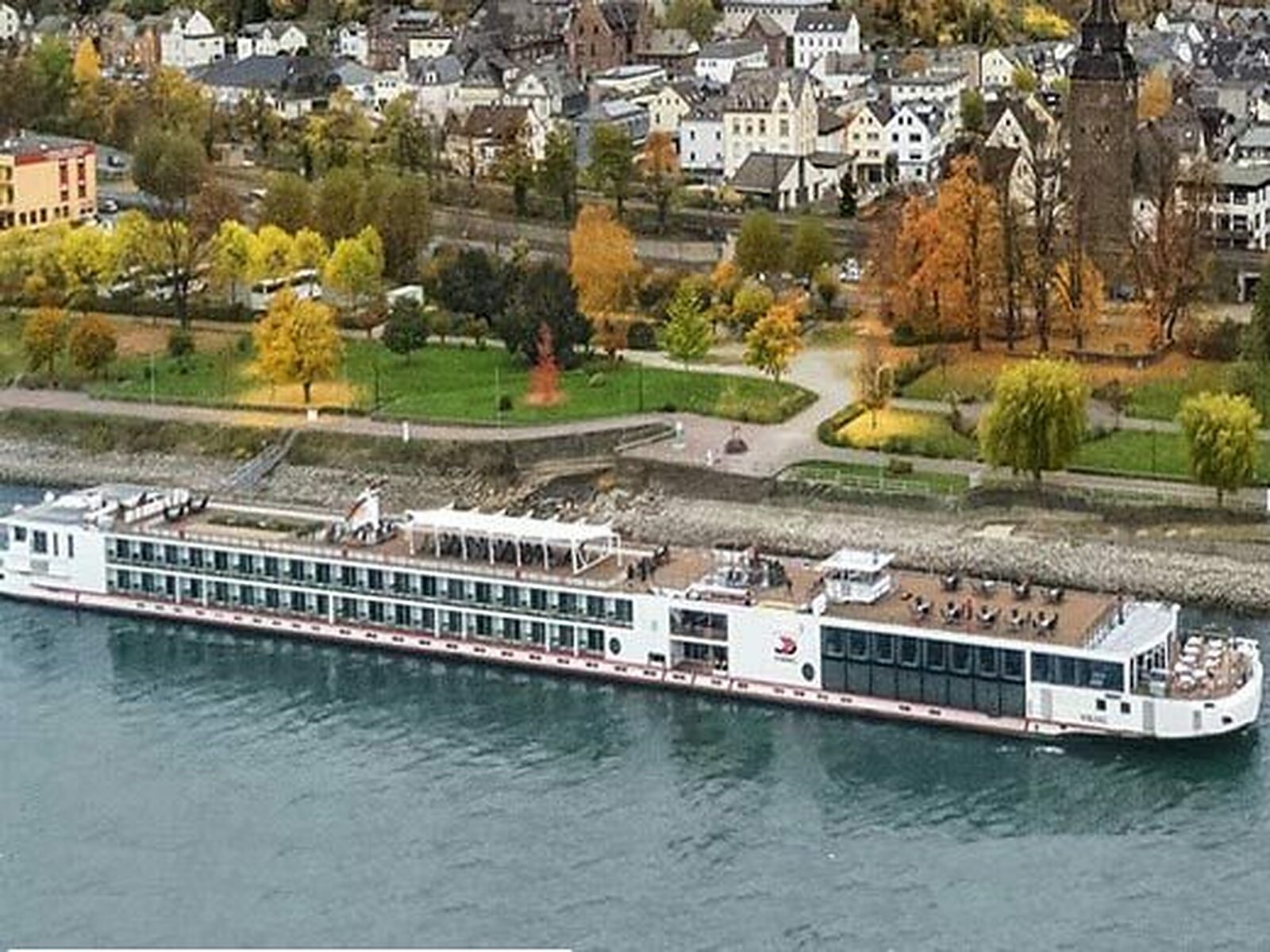
In Norse mythology Kara is one of the Valkyries who are also known as swan maidens or wish maidens. Legend says that if you can capture and hold a swan maiden or her feathered cloak, you can extract a wish from her.
View Ship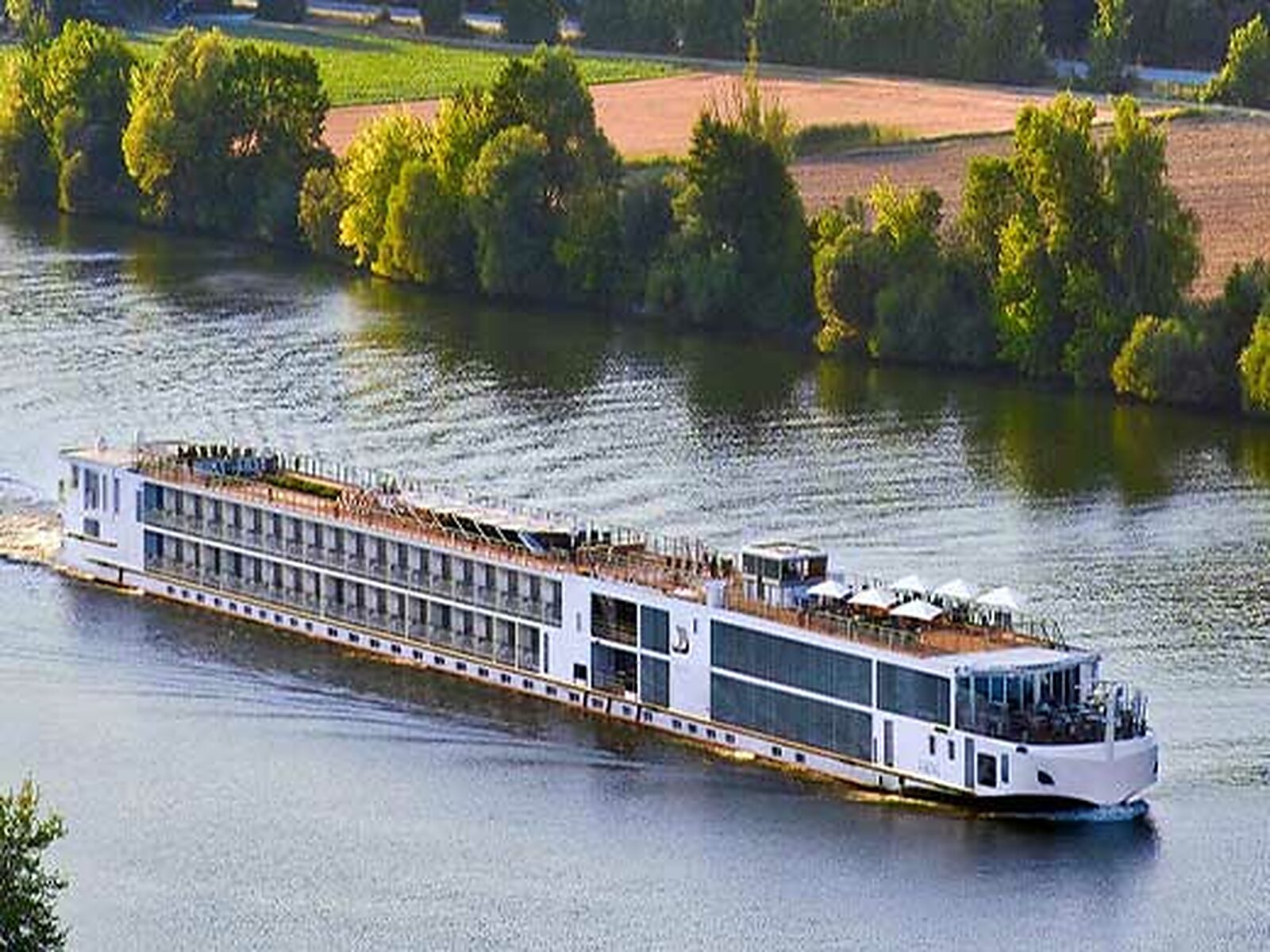
Eldest son of the ancient giant Fornjot, Kari was the god of the north wind, capable of carrying great Viking longships across vast waters. He is associated with the very breath of life, providing air for the lungs of mortals and teaching people how to use song to heal themselves and others.
View Ship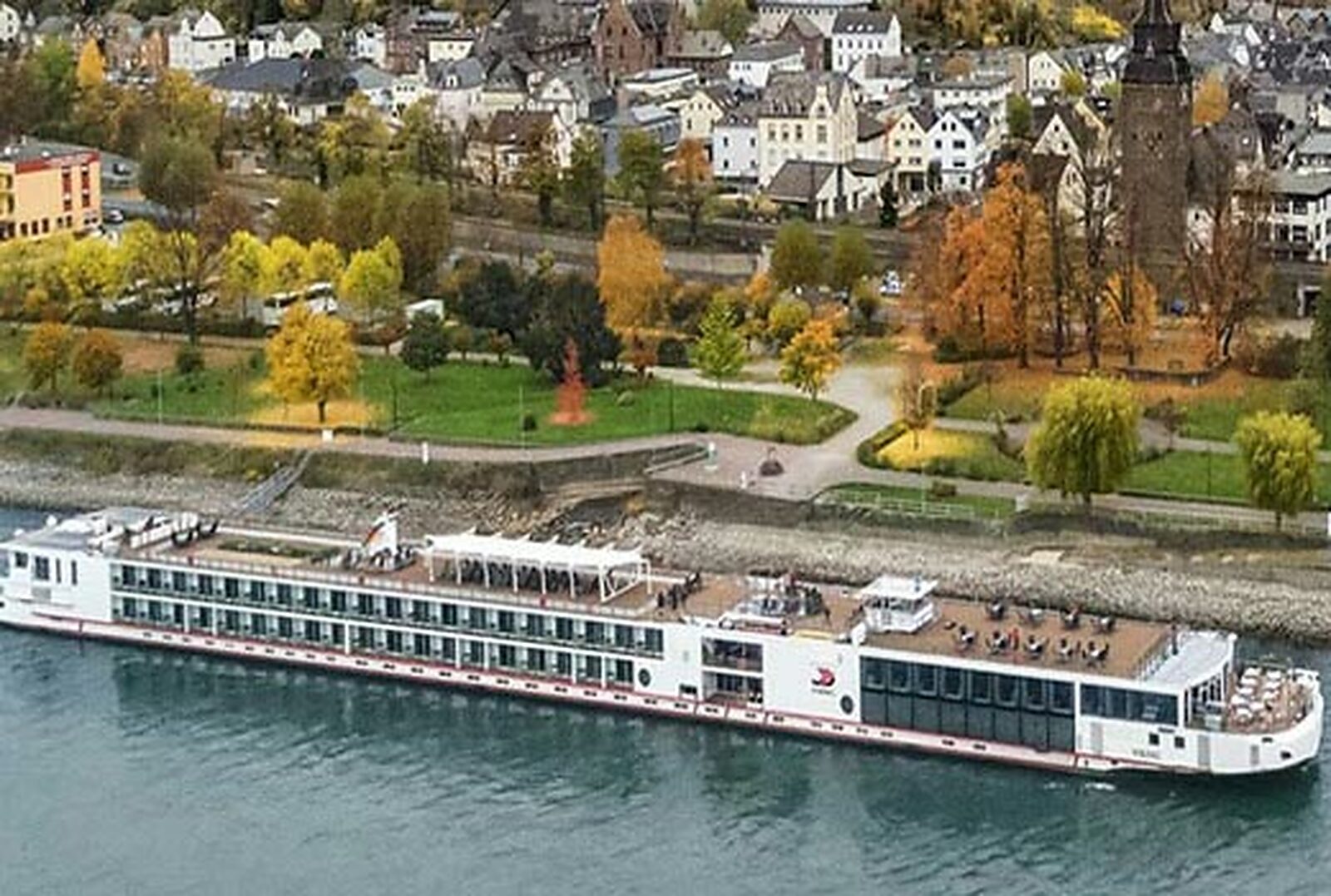
The Norse god Kvasir is born out of peace. When the two warring factions of the Aesir and the Vanir agree to form a truce, they do so with each god spitting into a bowl and stirring the saliva. From this, Kvasir, a new god of knowledge is created. Kvasir embodies all the gods’ knowledge. So great is his knowledge that there is no question he cannot answer.
View Ship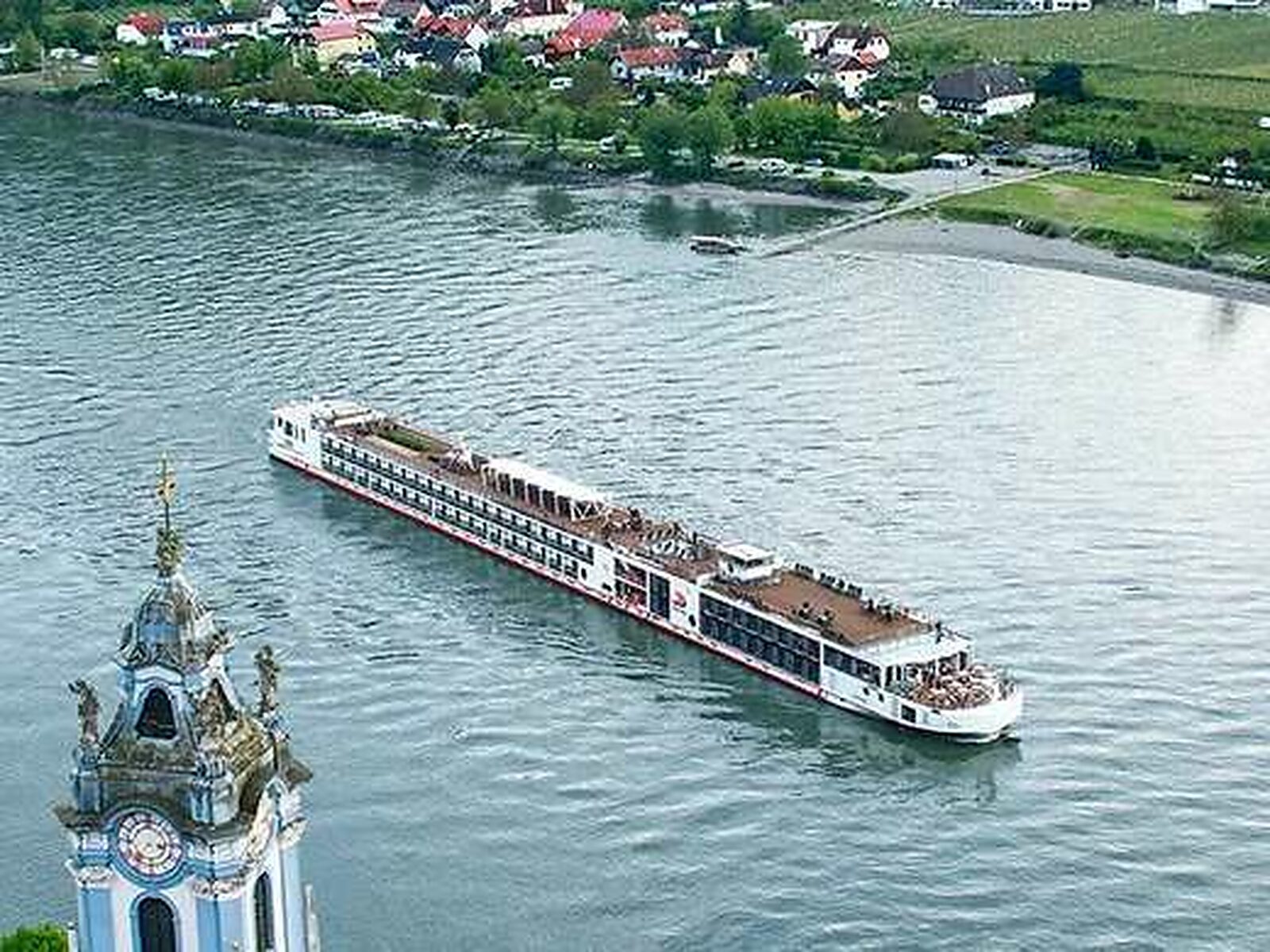
Laga, the gentle goddess associated with wells and springs, represents purity and renewal. She is revered for her power to soothe and restore. Like the waters she governs, Laga brings tranquility and is a calming presence in a world of constant motion.
View Ship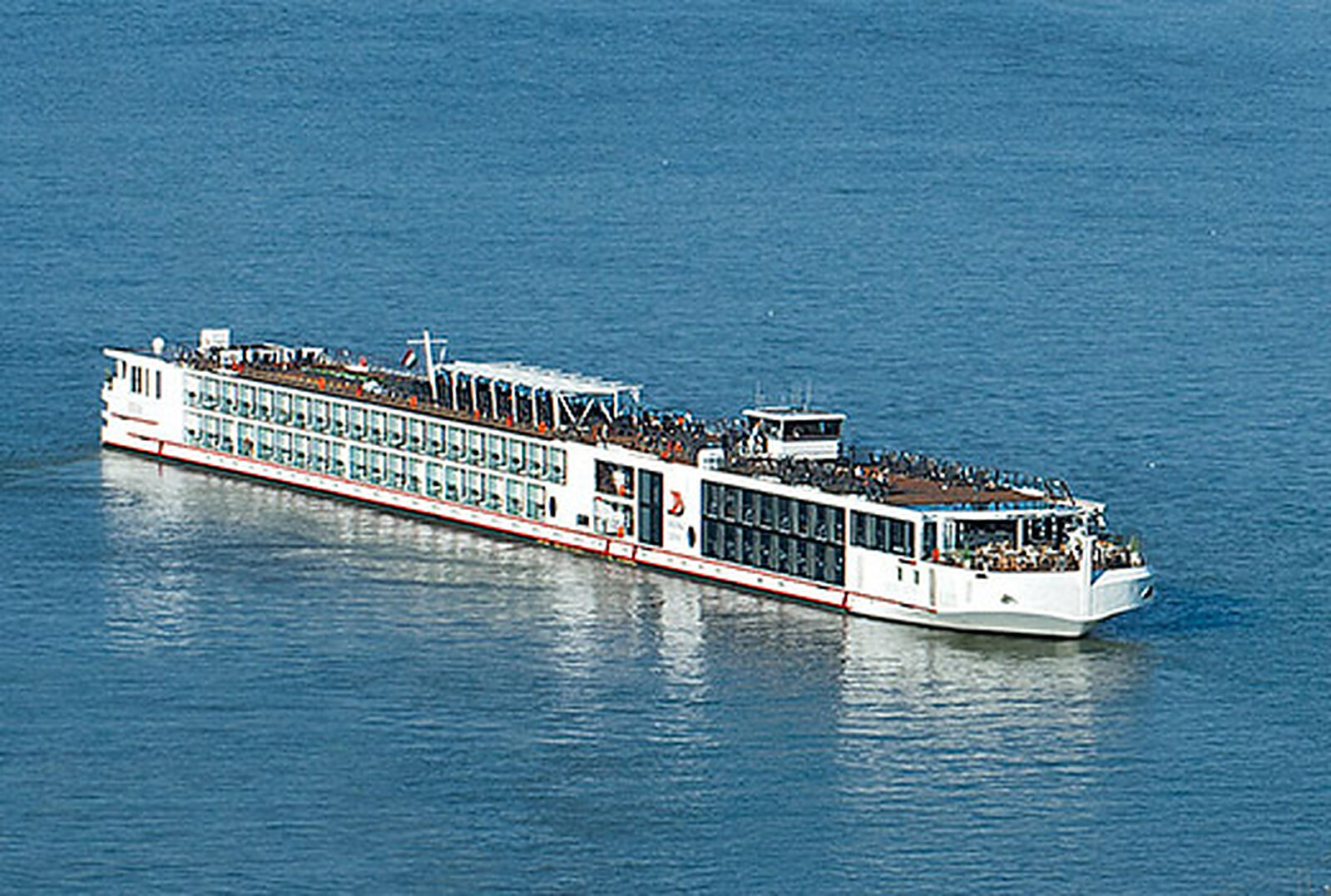
Her name means simply "Life." In Norse mythology, Lif and the male Lifthrasir are two mortals who are foretold that they will survive Ragnarok, the end of the world as it is known, by hiding in the forest of Hodmimir. After the flames have abated, Lif and Lifthrasir emerge to discover that everything has been destroyed, and it is up to them to begin anew and repopulate a fertile new world.
View Ship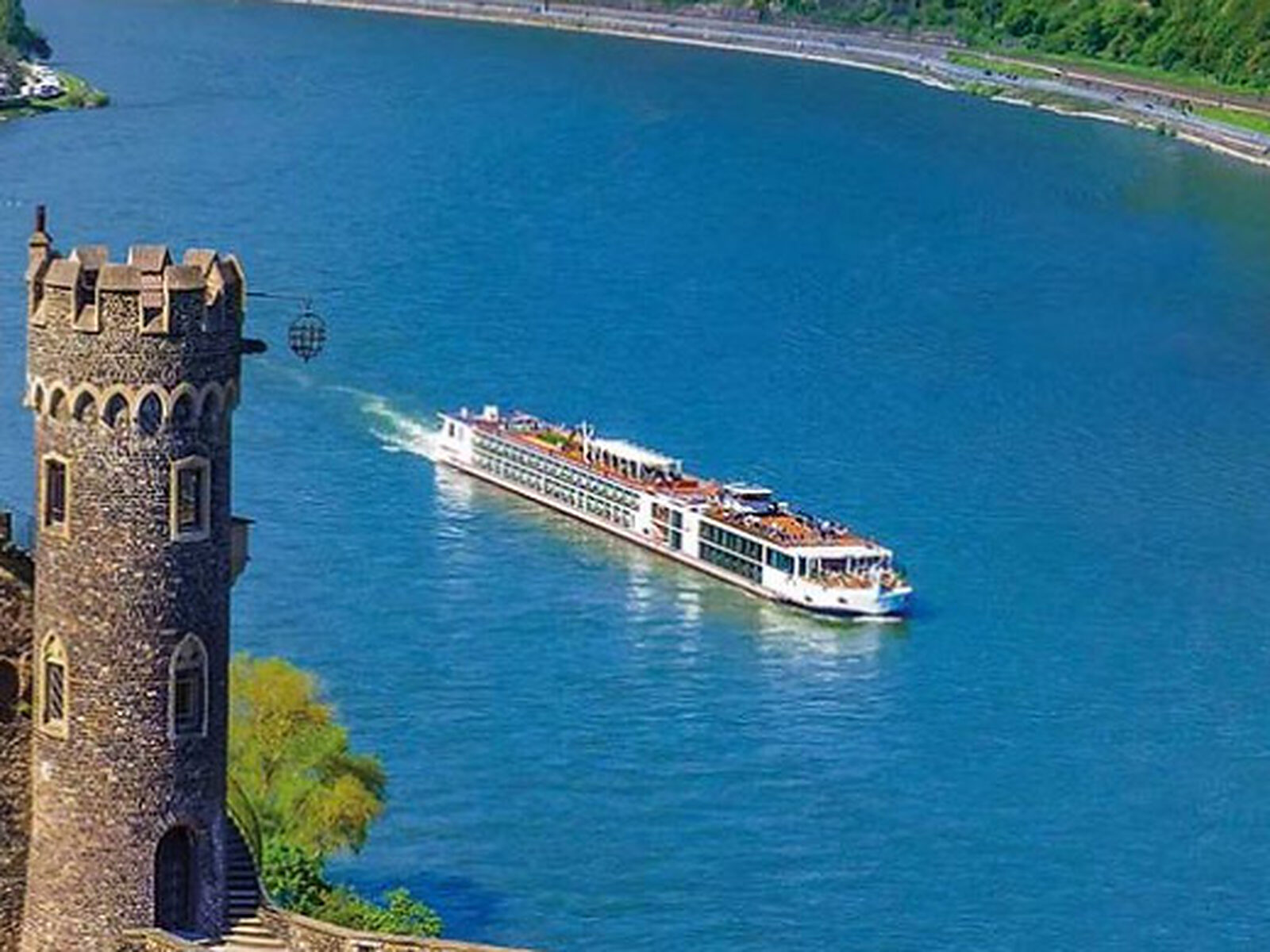
The Norse goddess Lofn is so gracious that the mightiest of gods melts to her will. Even Odin himself, the chief god of Norse mythology, gives Lofn permission to arrange marriages. Whether the love that impassions men and women is right or wrong or approved by others does not concern her. Rather, she longs to nurture adoration at its purest, even if it means arranging marriages that are taboo.
View Ship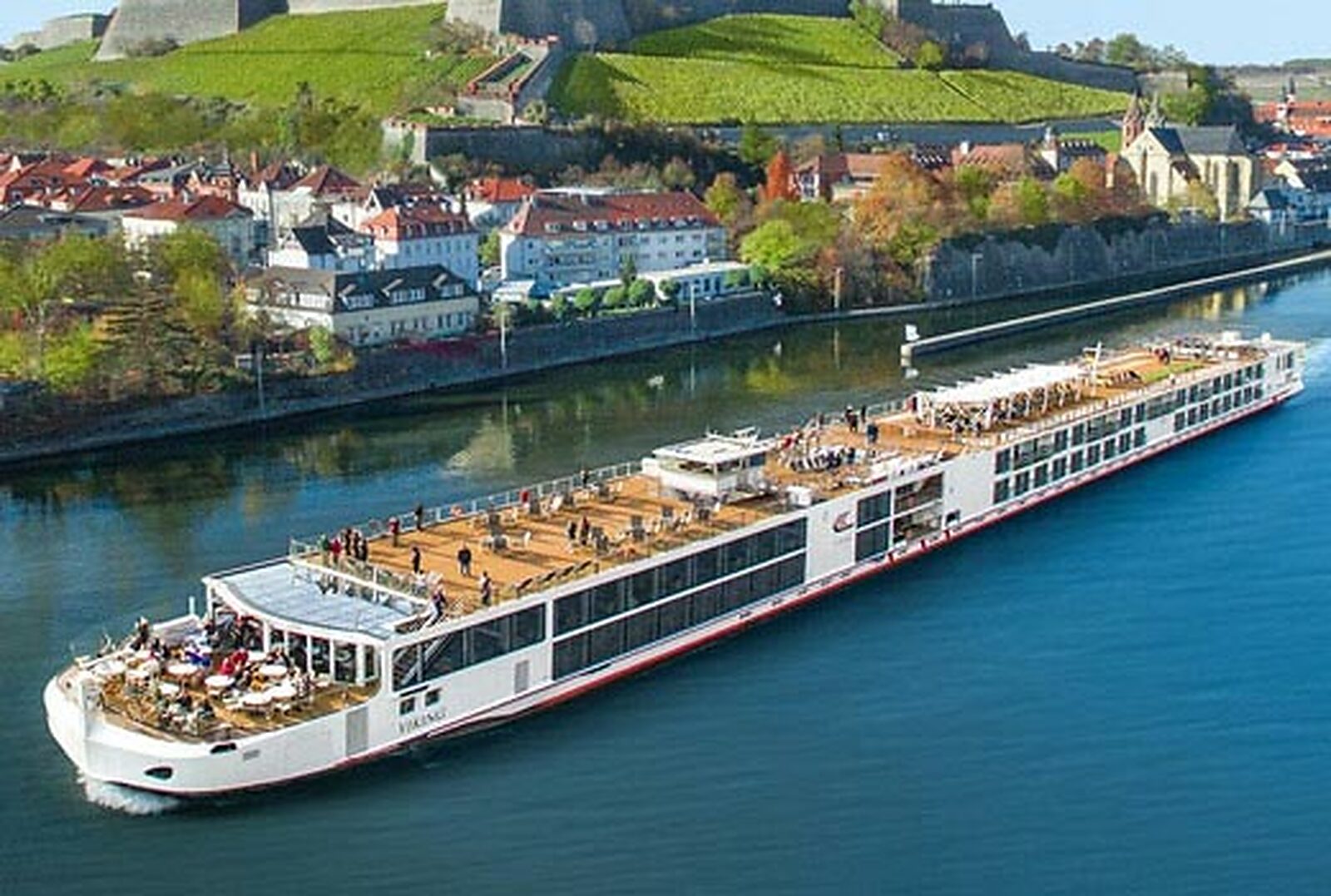
Son of the mighty Norse god Thor, Magni is believed to be the one god stronger than his father. He is so strong that he is the only one besides Thor to be able to lift Mjolnir, Thor’s mighty hammer.
View Ship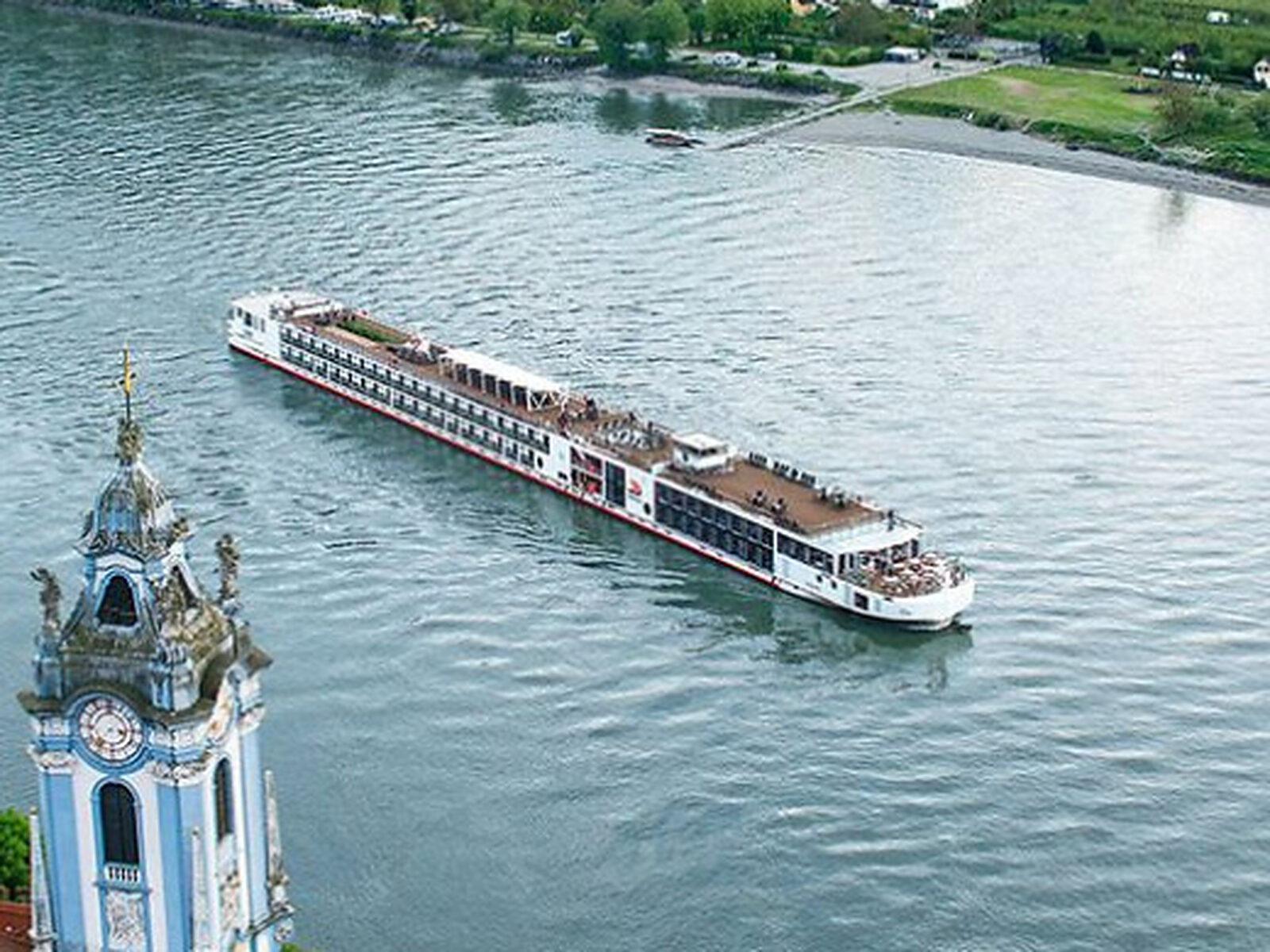
In Norse mythology, the gods banish Mani and his sister Sol to the heavens because their father was so arrogant as to name them “moon” and “sun.” There, they guide their namesake orbs across the sky, counting the years for humankind.
View Ship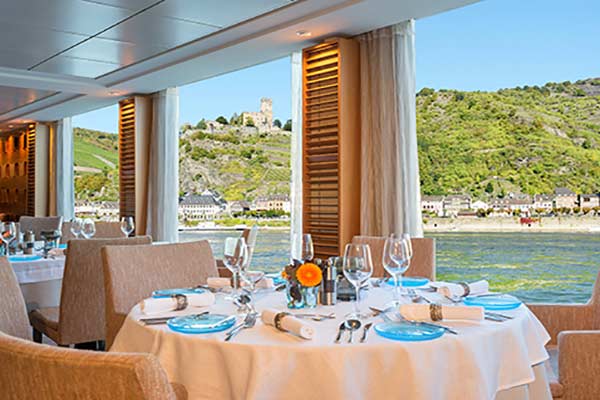
Explore the sights and sounds of one of the most scenic regions in the world while enjoying the comfort and elegant romance of our ship in Southeast Asia, specifically built to navigate the Mekong River.
View Ship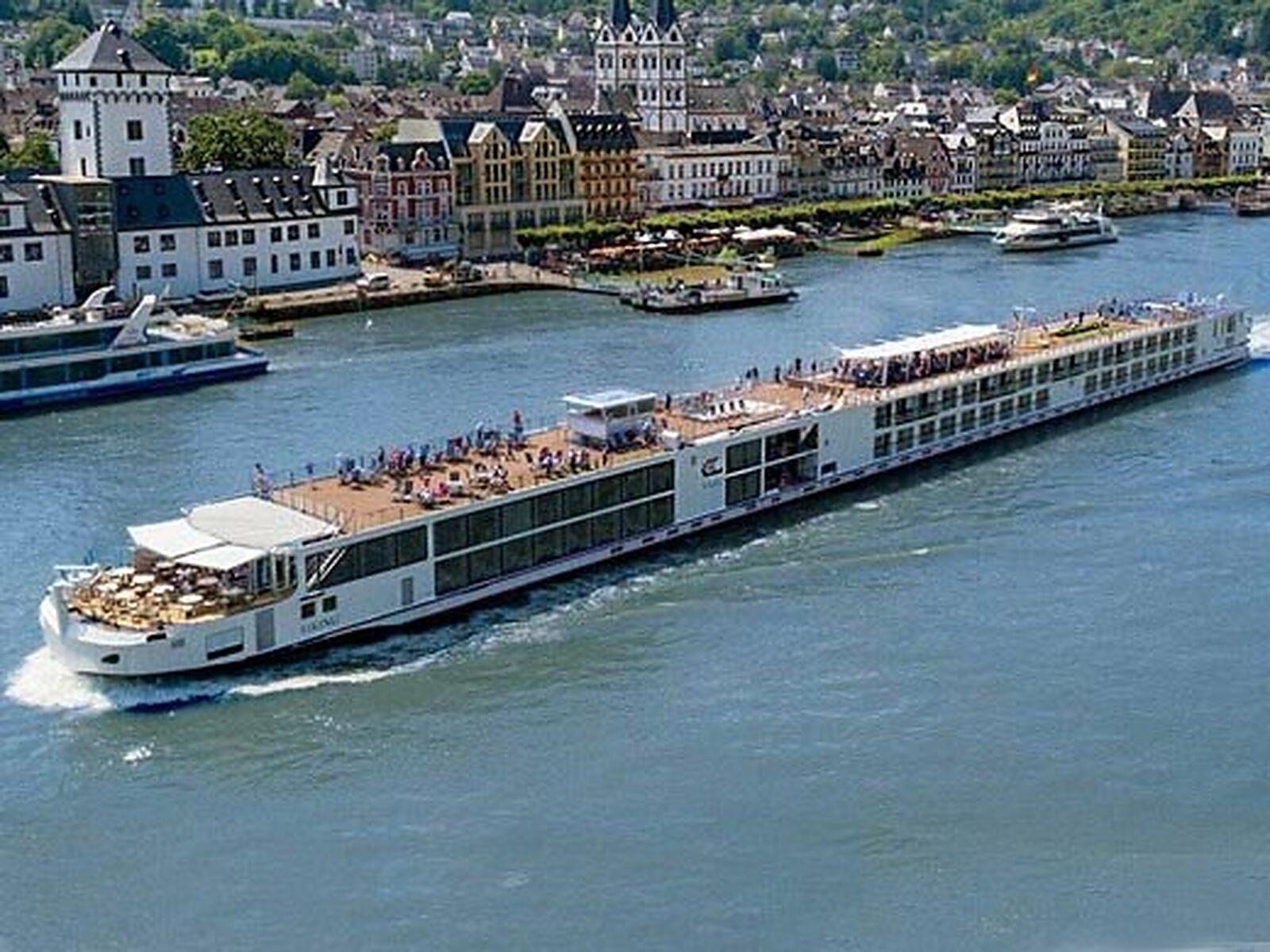
Mimir is said to have gained wisdom and knowledge by drinking from the Well of Wisdom. He is so wise that when the great tribes of Vanir and Aesir gods are at war, the Vanir tribe calls on him for counsel. But, incapable of translating his words of guidance, they behead him and send his head back to the Aesir tribe. Odin, the Aesir chief, embalms Mimir’s head with herbs, casting a spell that empowers it to speak and share secrets. Thus, Mimir guides Odin through the war until the two tribes of gods unify into one.
View Ship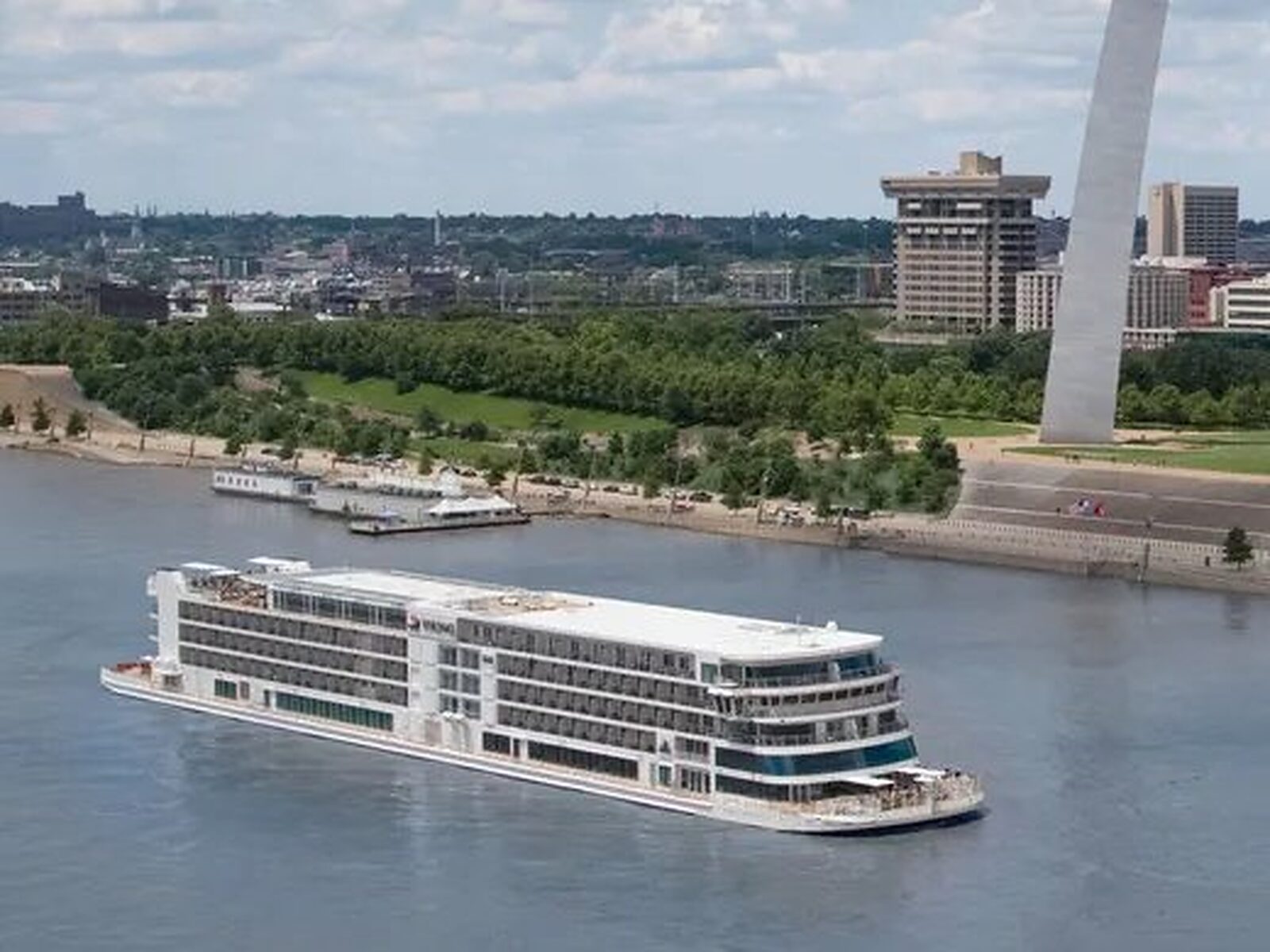
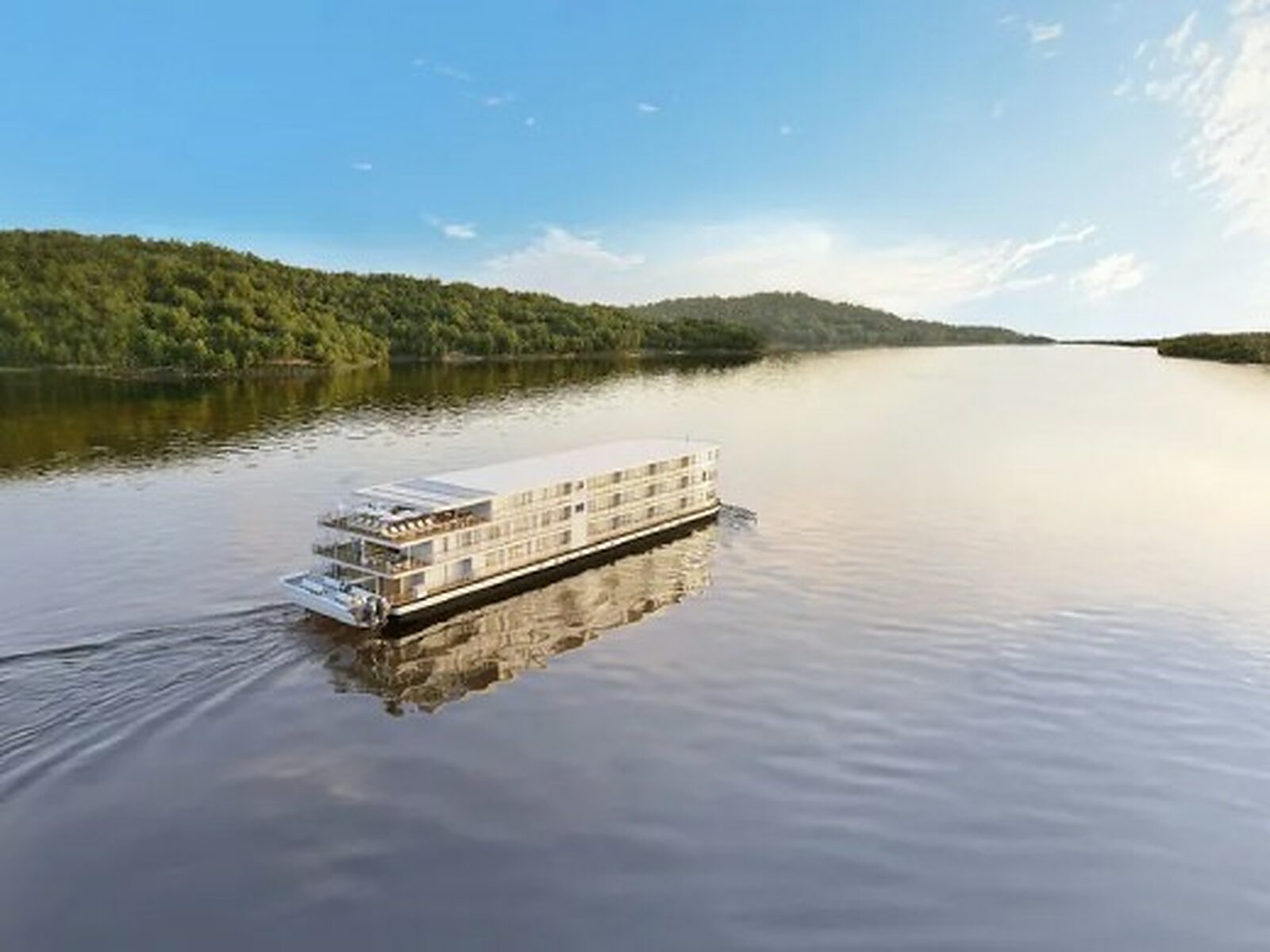
Hosting 386 guests in 193 all outside staterooms, the new state-of-the-art Viking Mississippi is inspired by the award-winning Viking Longships® and ocean ships and will feature clean Scandinavian design, as well as public spaces that are familiar to guests but that have been reimagined for Mississippi River voyages. Purpose-built for the Mississippi, the ship’s cutting-edge design, expansive windows, and comfortable amenities will make it the first truly modern cruise ship in the region.
View Ship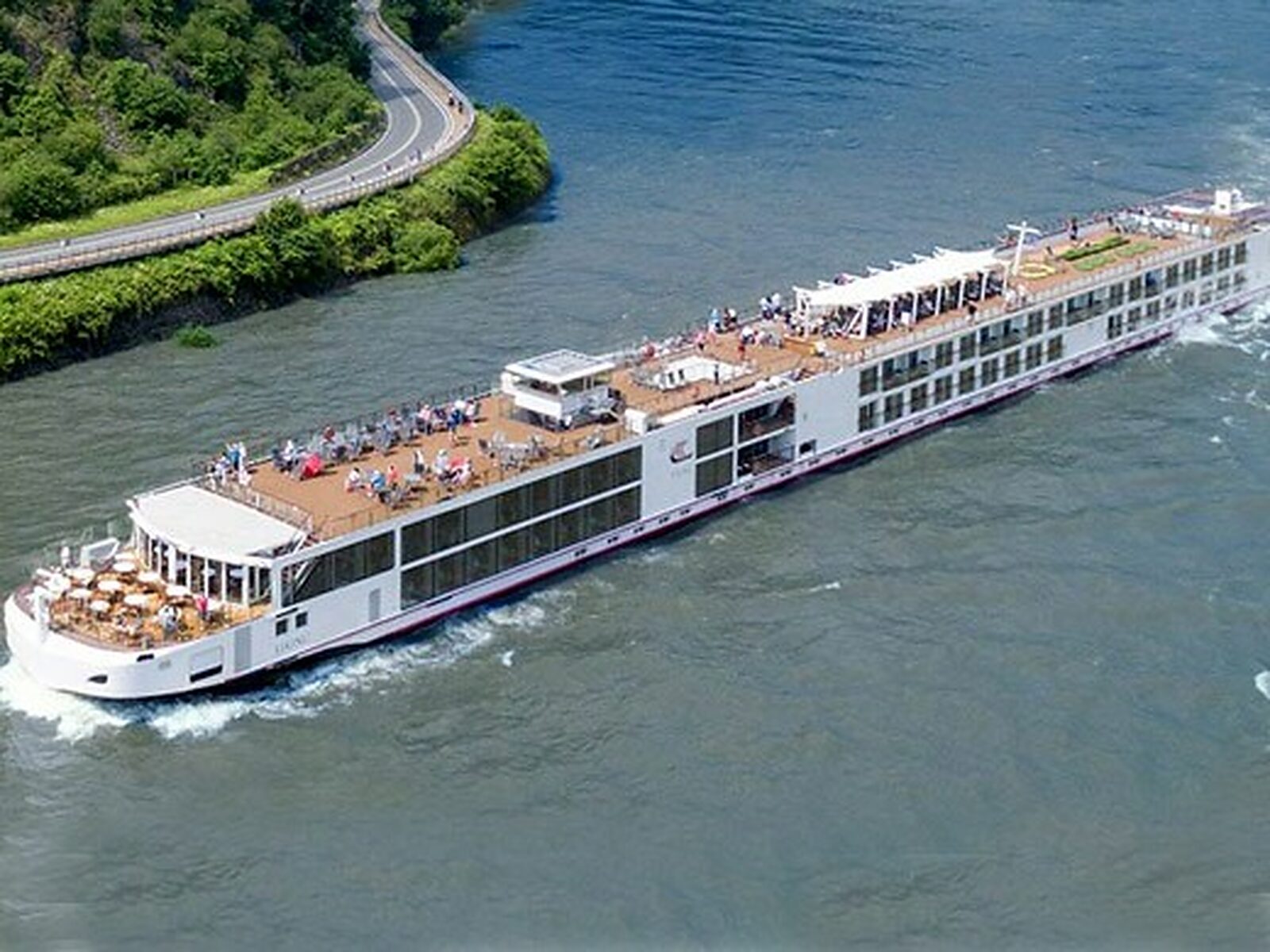
Modi is the son of Thor, the most powerful of the Norse gods. Though he inherits his father’s brute strength, he is also known for his fearlessness. Boundless courage emboldens his physical strength all the more.
View Ship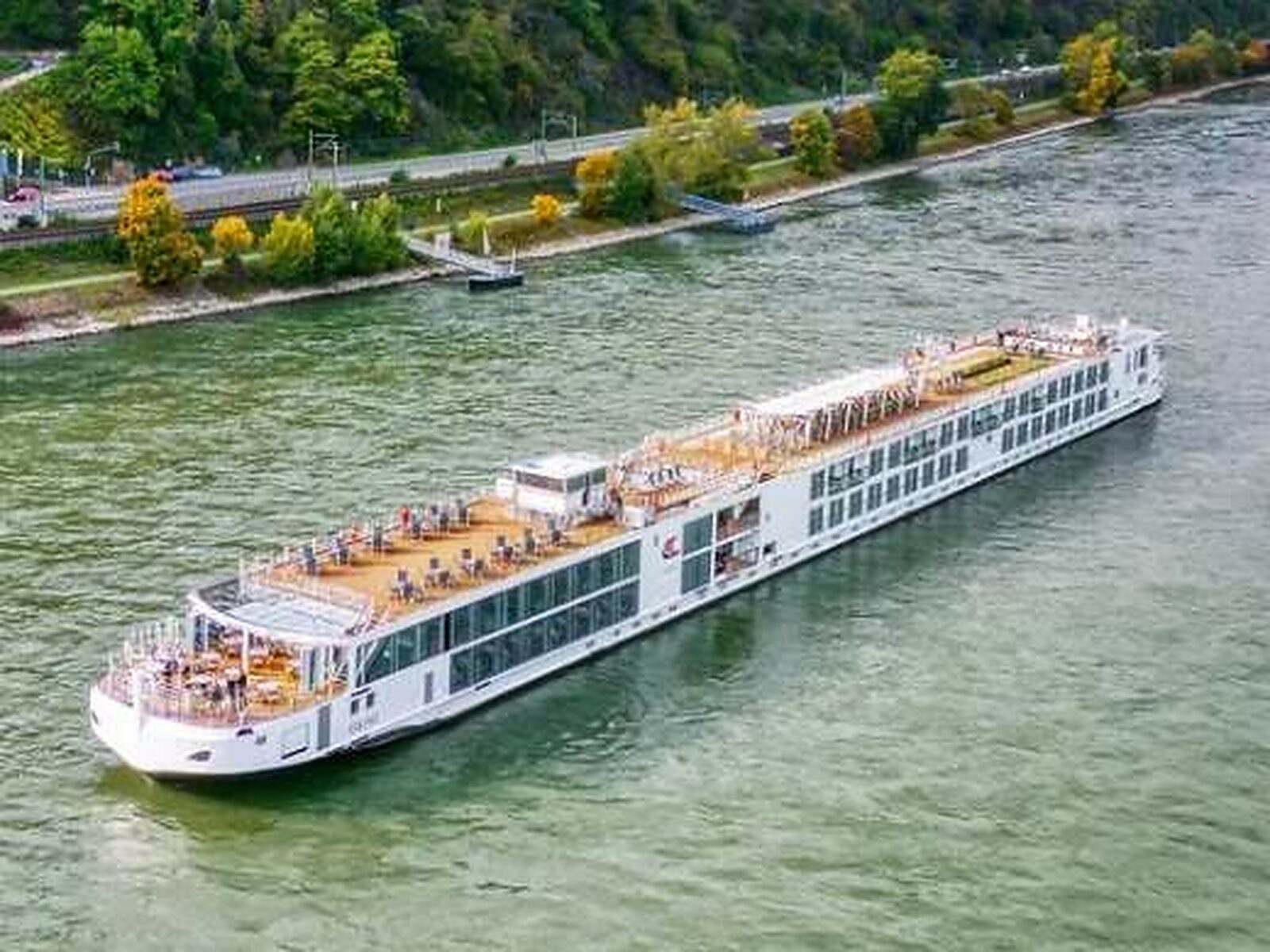
Nerthus, an ancient deity revered by various Germanic and Scandinavian tribes, symbolizes fertility and the earth. Often referred to as Mother Earth, she was depicted riding a chariot drawn by cows. These sacred processions were believed to bless the land with fertility.
View Ship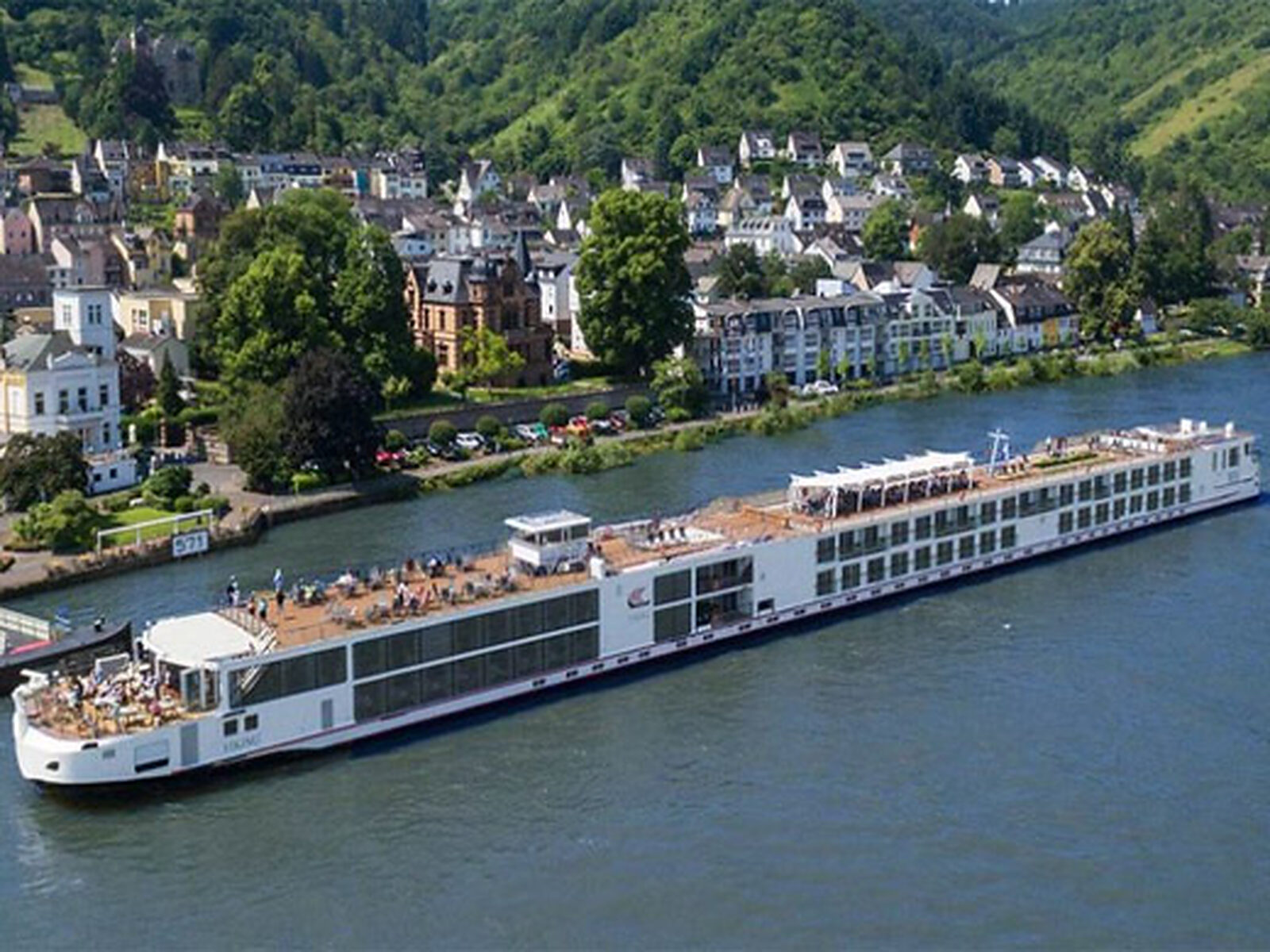
Njord is the Norse god of the wind, as well as the sea, and was worshipped by Viking fishermen and traders who invoked his name to calm the waters and protect their ships.
View Ship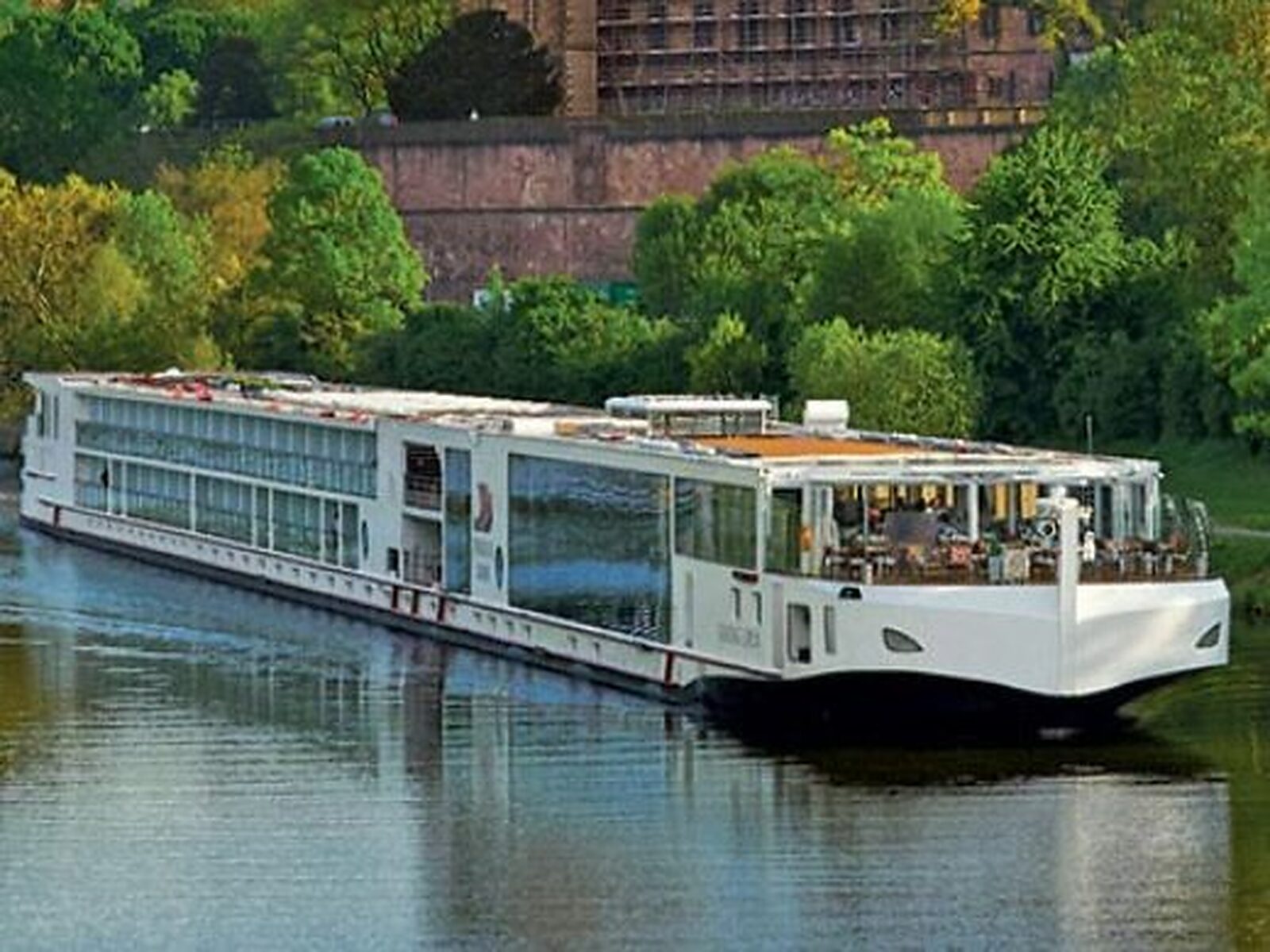
Father of the Norse gods, Odin is the god of wisdom and is associated with magic and prophecy. He also brings victory in battle. Odin is often pictured with long gray hair and beard, cloak and floppy hat to disguise himself as he travels among ordinary people. He seeks his knowledge far and wide, even trading an eye for a drink at the giant Mimir’s Well of Wisdom.
View Ship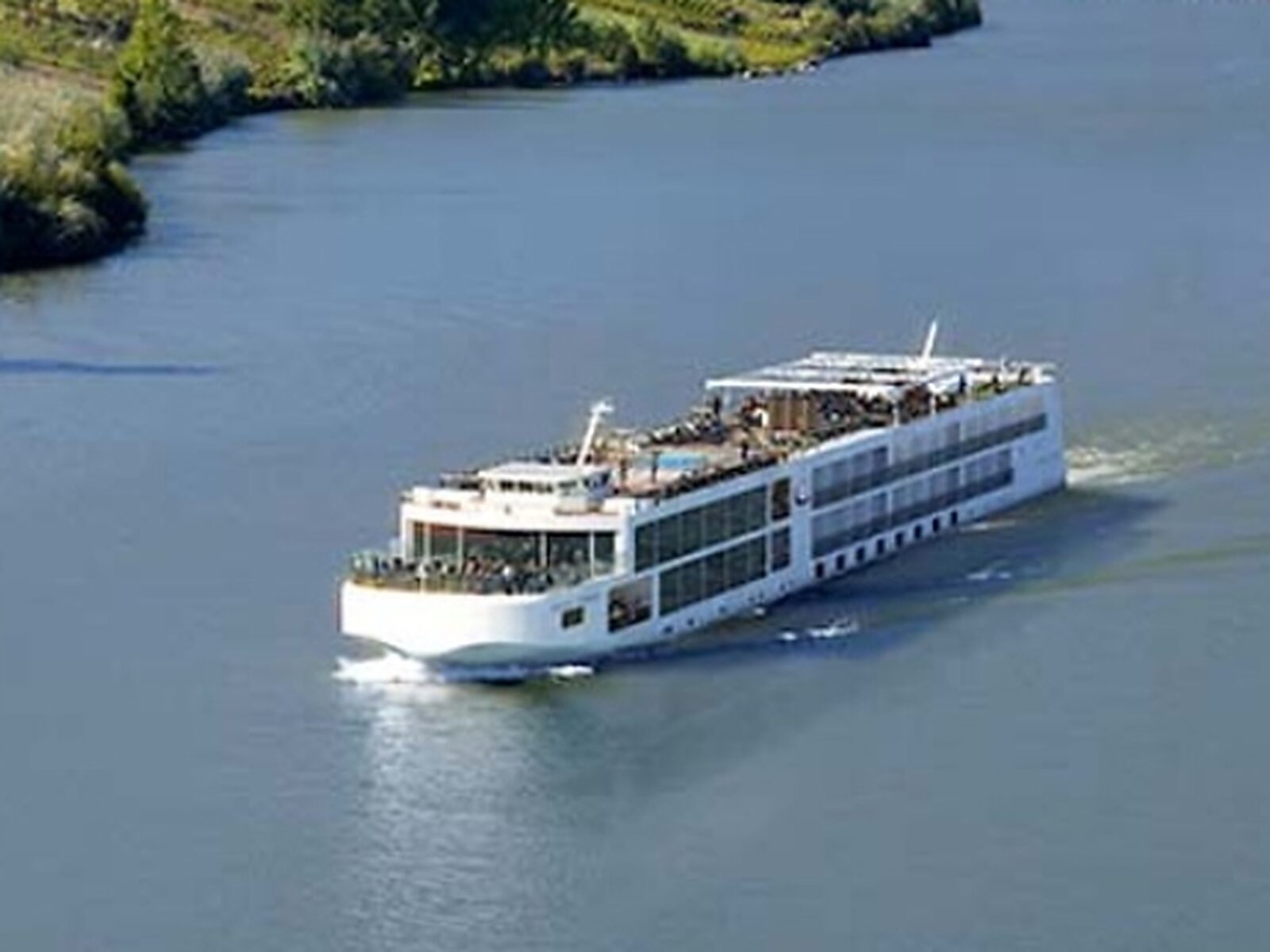
Osfrid co-led the first recorded mission from Norway to England at the command of Harald I, King of Norway. Harald corresponded with Athelstan, King of Wessex, and the Norwegian king dispatched Osfrid and Helgrim to sail to England.
View Ship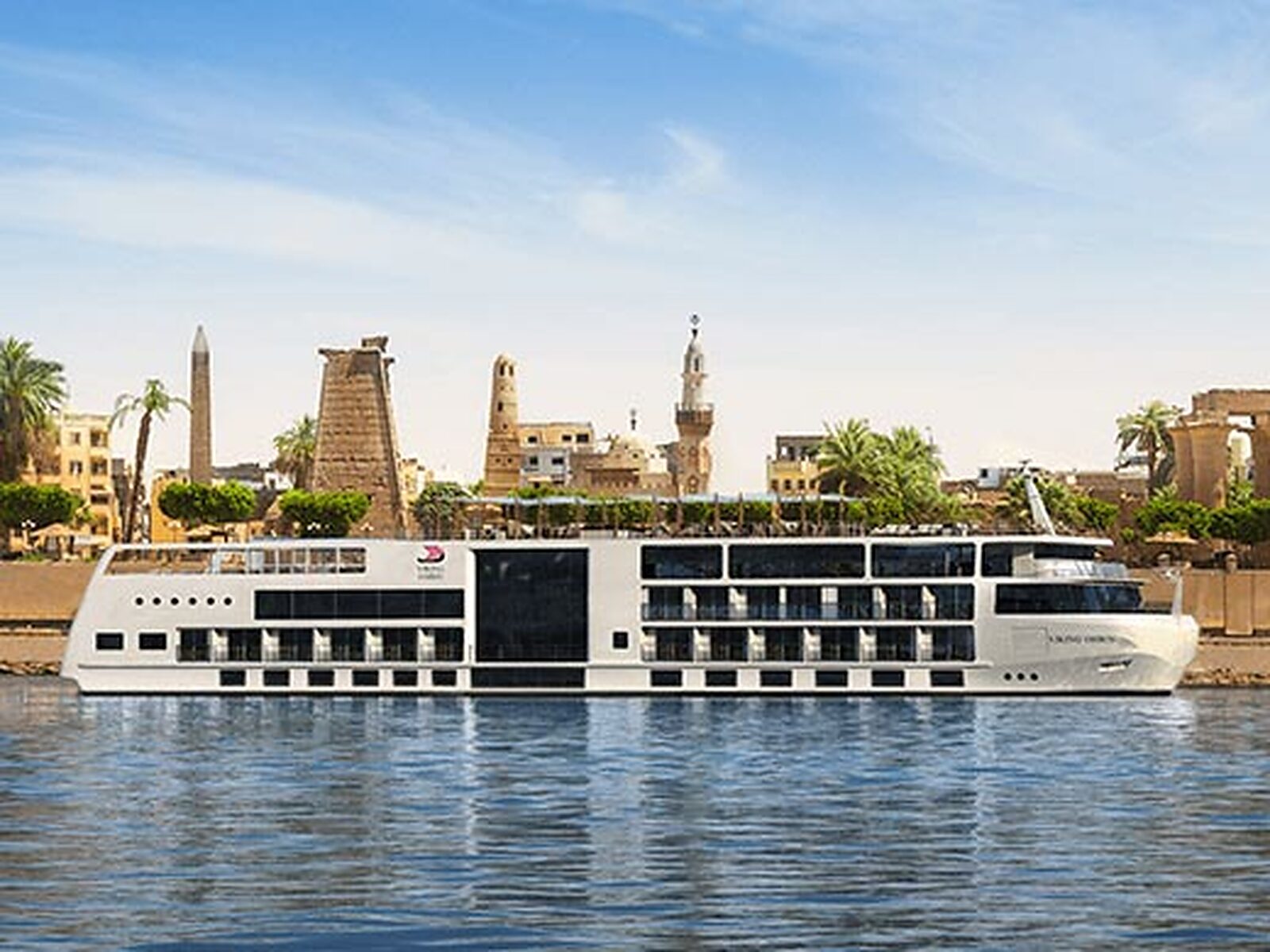
Owned and operated by Viking, Viking Osiris is a brand new vessel, the most upscale ship in Egypt. Specifically built to navigate the Nile, she is a state-of-the-art vessel—designed in the clean, elegant Scandinavian aesthetic for which Viking is known. Accommodating just 82 guests, she offers the ultimate in comfort.
View Ship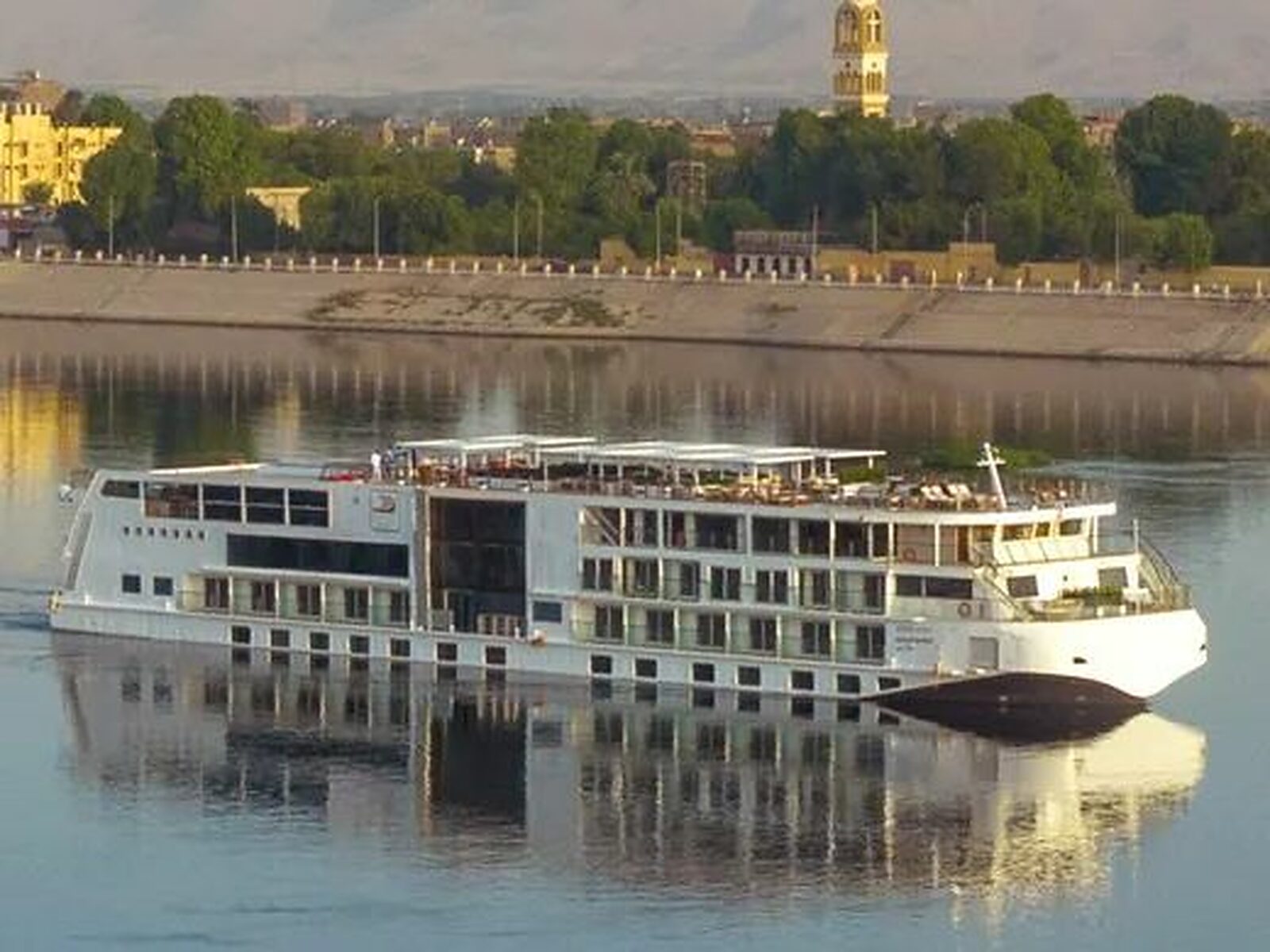
Named after one of the oldest Egyptian deities and the chief god of the city of Memphis, the Viking Ptah is a state-of-the-art vessel—owned and operated by Viking—specifically built to cruise the Nile. Designed in the clean, elegant Scandinavian aesthetic for which Viking is known, she offers the ultimate in comfort.
View Ship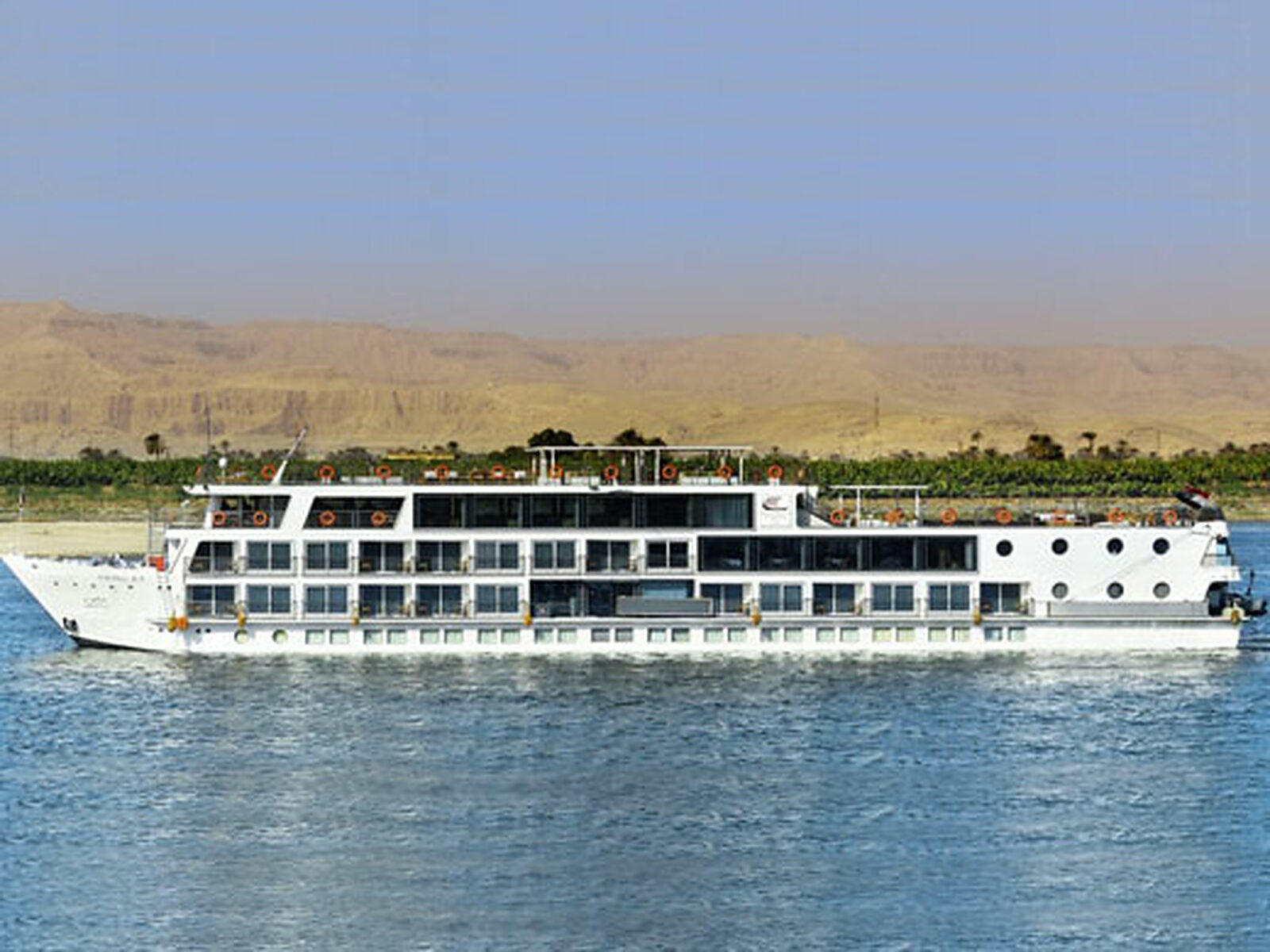
Owned and operated by Viking, Viking Ra is the newest, most upscale ship in Egypt. Specifically built to navigate the Nile, she was completely stripped down to her steel frame and reconfigured to be a modern, elegant vessel. Fully re-imagined to international standards and Viking design specifications, she is now an all-suite, state-of-the art ship with the clean, elegant Scandinavian design for which Viking is known blended with local influences like traditional geometric Arabic patterns. Accommodating just 48 guests, she offers the ultimate in comfort.
View Ship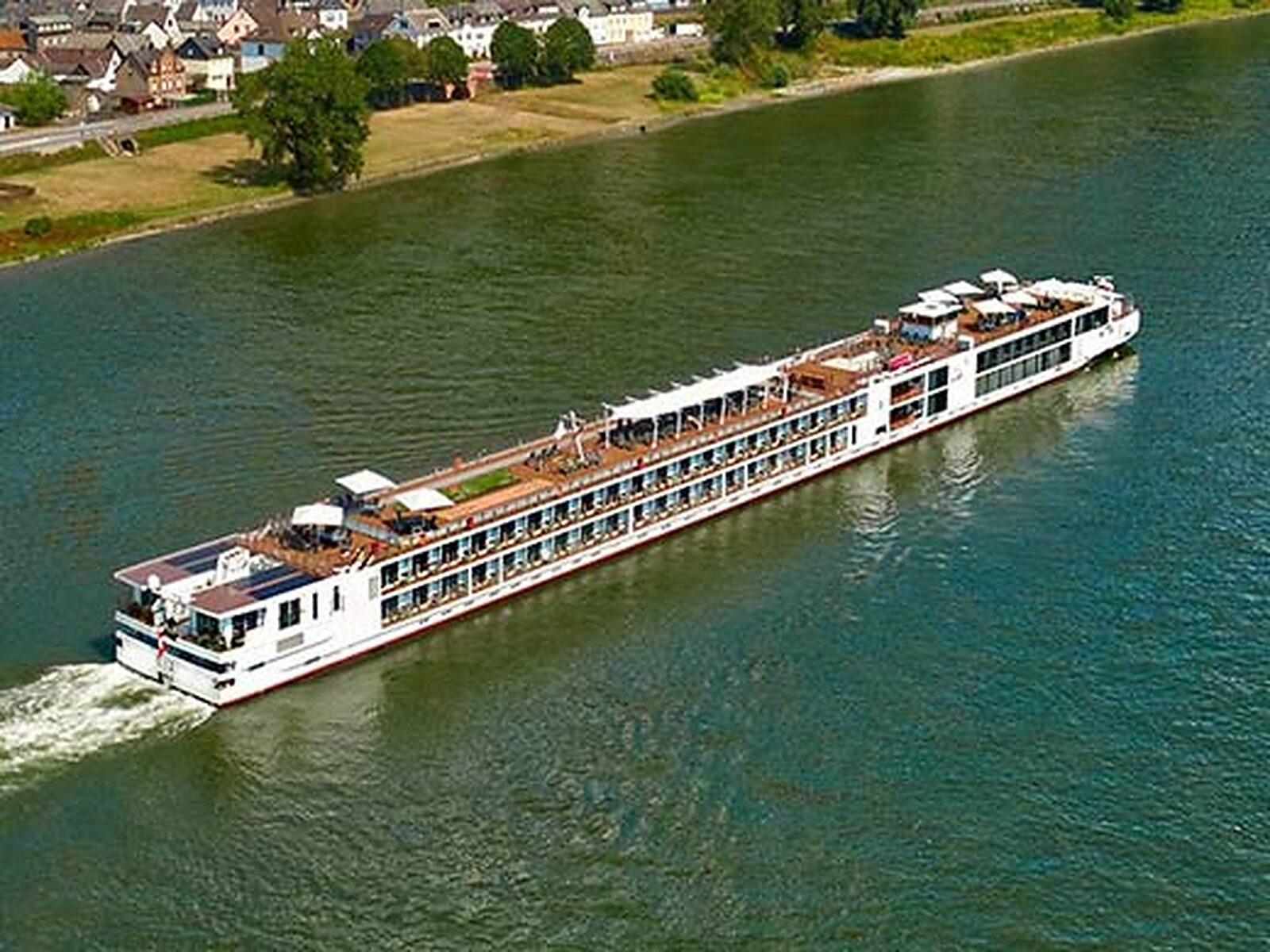
Radgrid was one of the legendary horse-riding Valkyries, the handmaidens of Odin, the father of the gods. These long-haired, beautiful women descended from the skies into battles to decide which soldiers lived and which died. Radgrid’s name translates into “truce of counsel,” suggesting her great power in determining the fate of mortals.
View Ship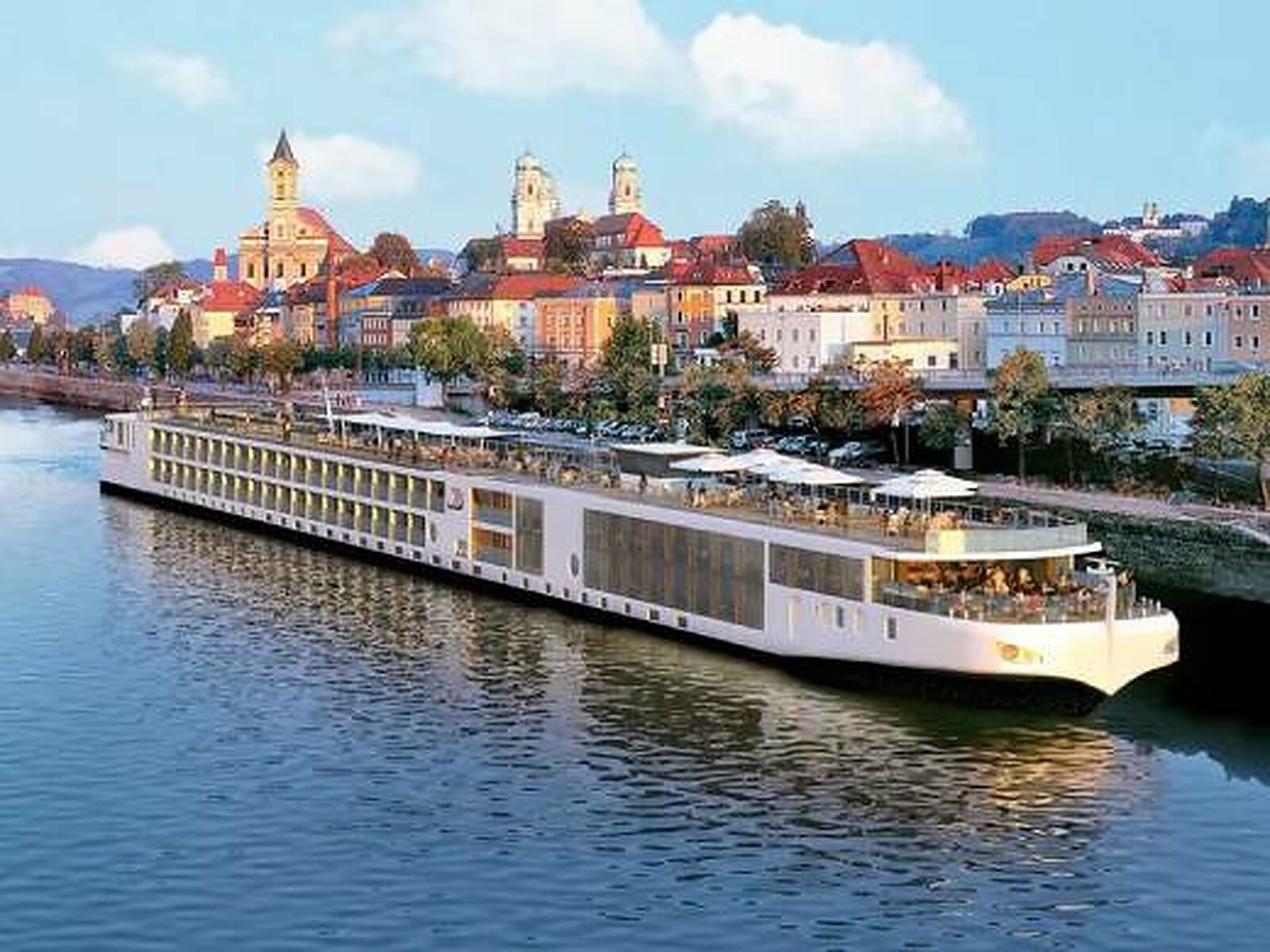
Laga, the gentle goddess associated with wells and springs, represents purity and renewal. She is revered for her power to soothe and restore. Like the waters she governs, Laga brings tranquility and is a calming presence in a world of constant motion.
View Ship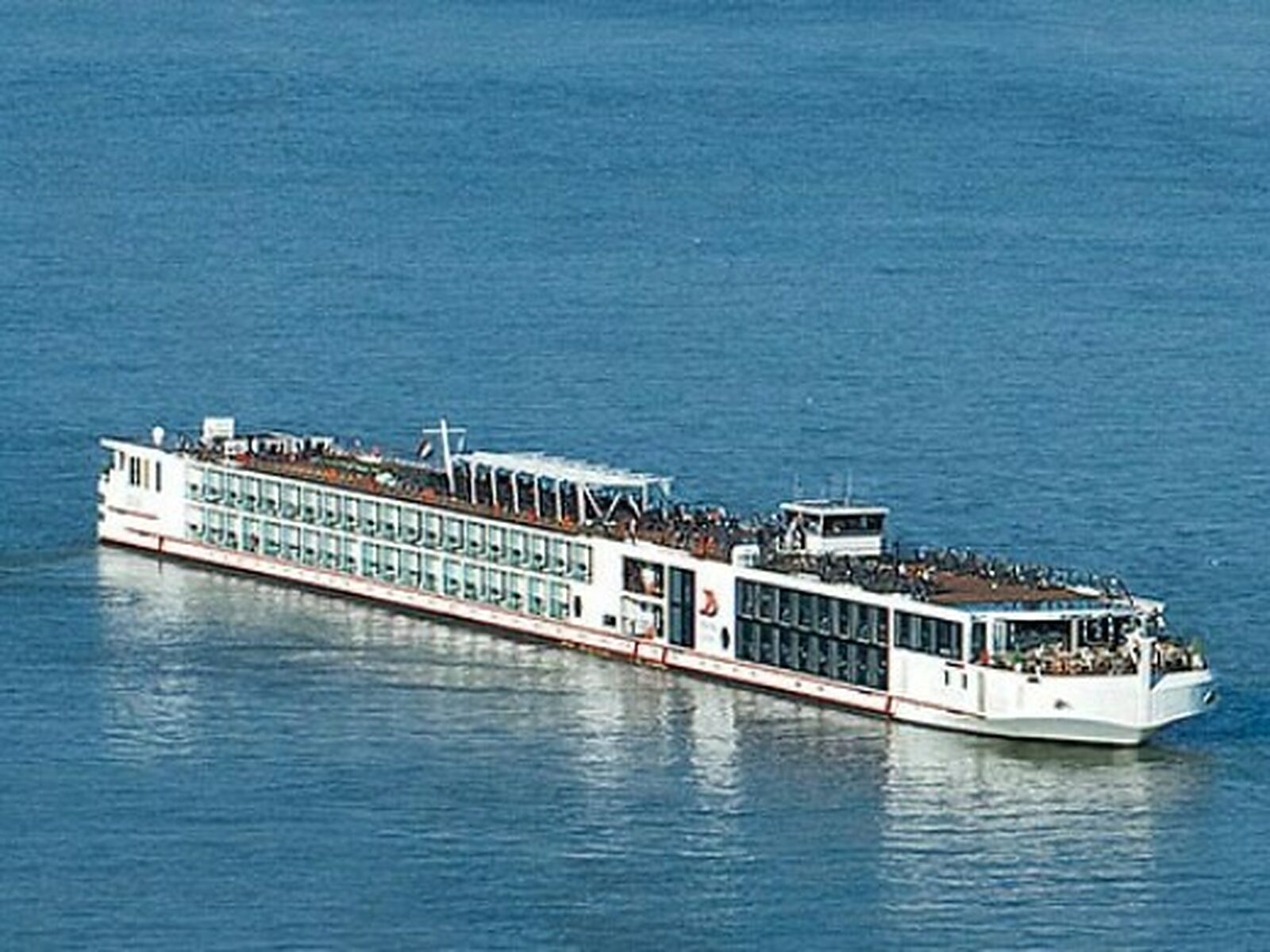
Beautiful and headstrong, Rinda personifies the hard, frozen earth. She is the daughter of Billing, king of the Ruthenians, and wife of Odin, father of the gods.
View Ship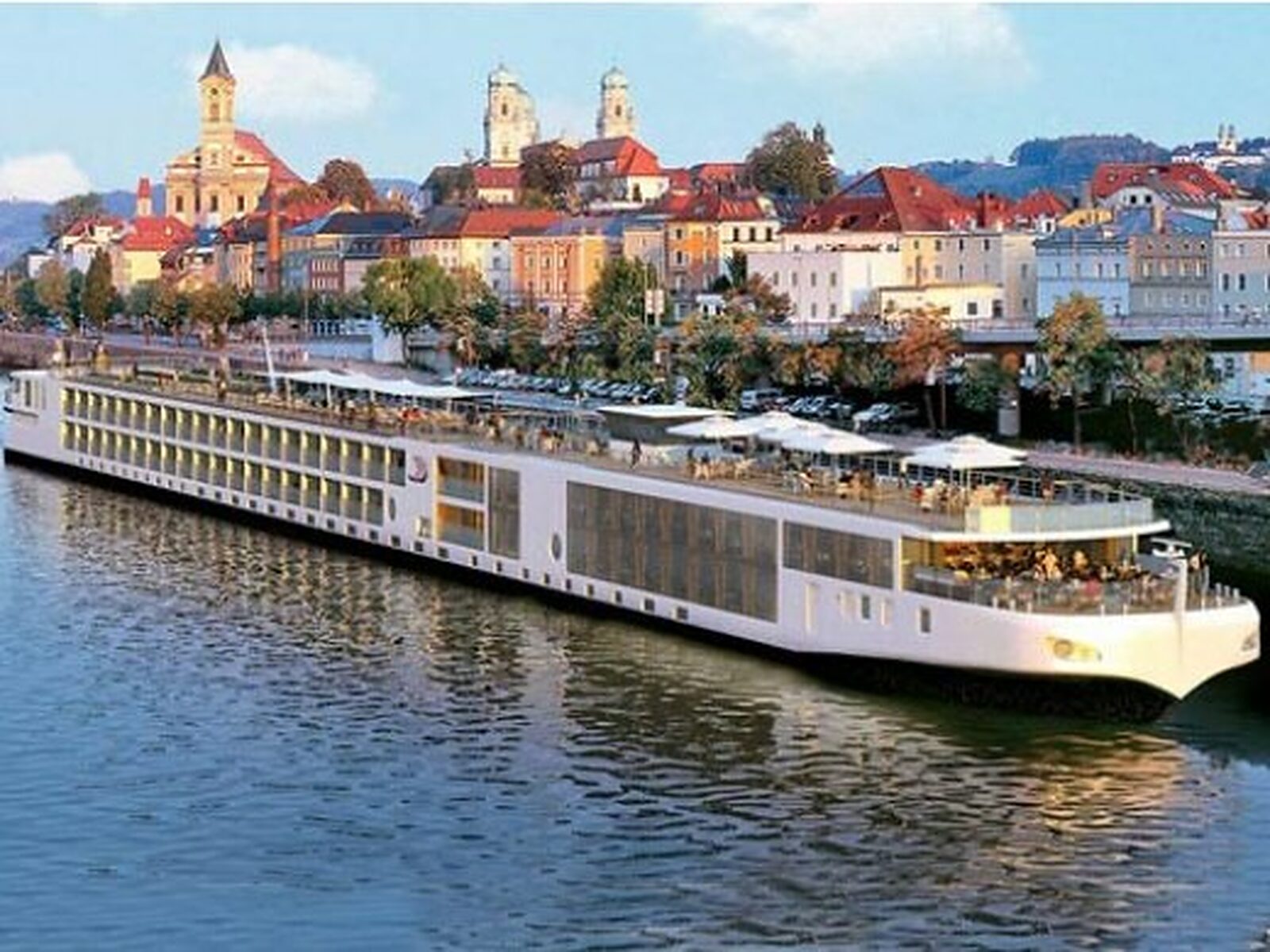
One of the oldest of all Nordic-Viking names, “Rolf” came from “Hrodwulf,” a Dark Ages appellation when mostly pagan names tended to extol virtues. One of the most famous kings of antiquity, Rolf gained renown in warfare by assembling the most celebrated warriors of the North, known as Rolf’s Twelve Champions. Equally famous was “Rolf the Ganger,” or “Marching Rolf,” a Viking chief who sailed the Seine and surrounded Paris.
View Ship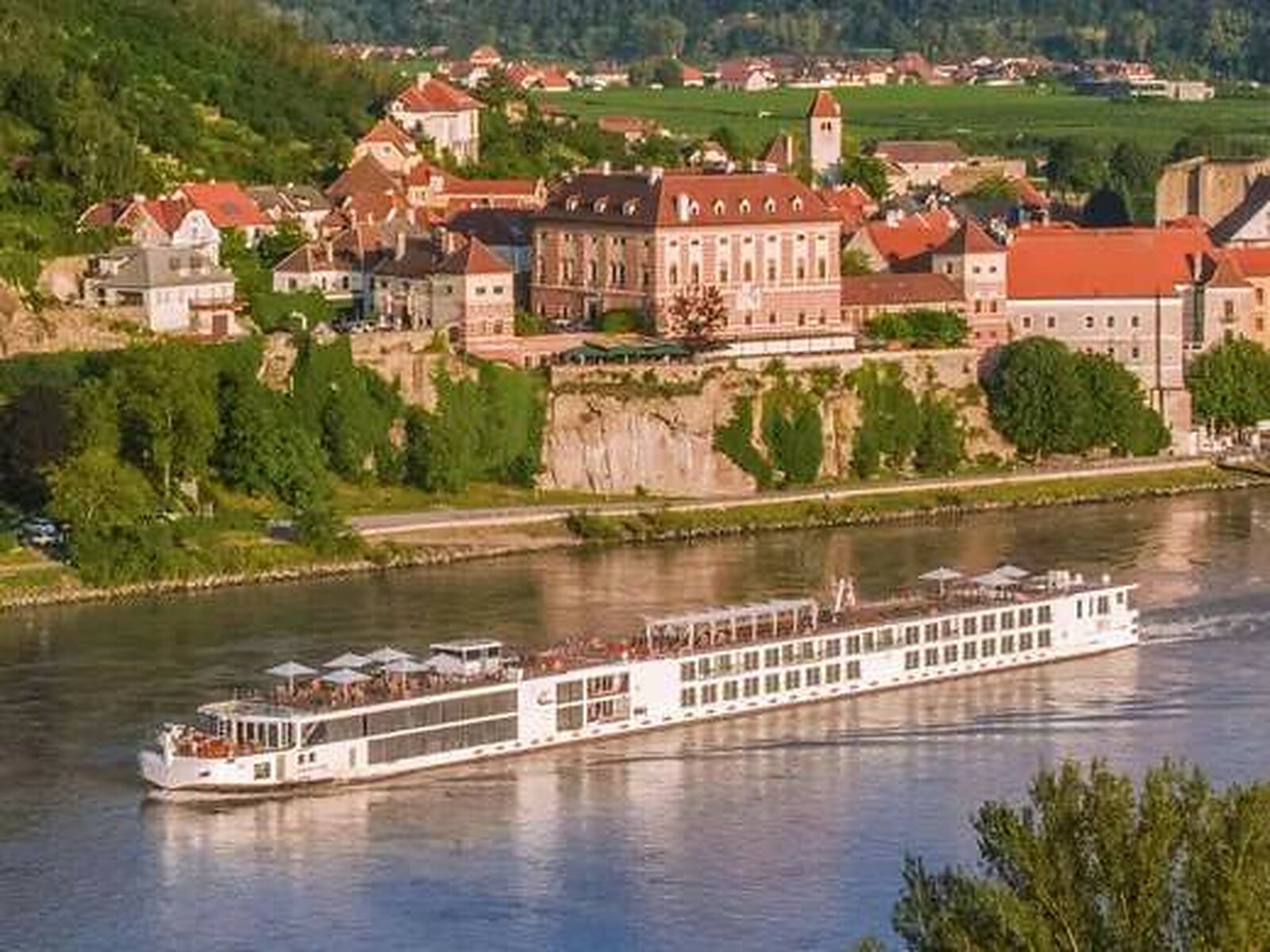
Róta was a rebellious Valkyrie, one of the fierce warrior women known as the “choosers of the slain” who served Odin. During Ragnarök, the Valkyries chose who would die and escorted souls to Valhalla, a realm of the dead in Norse mythology. Associated with chaos, Róta was often linked to Gunnr, another warrior maiden, and Skuld, the youngest of the Norns—the Norse goddesses of fate.
View Ship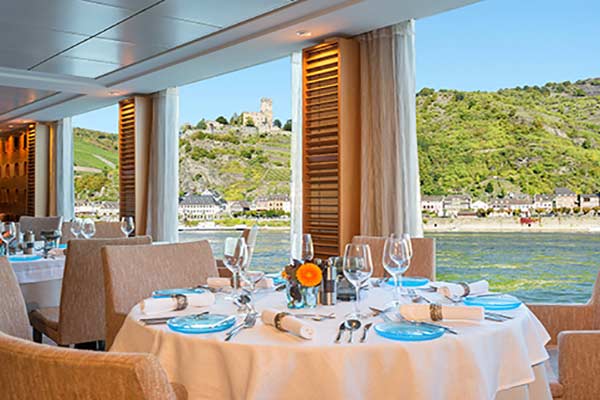
With understated elegance and trademark Viking interiors, this is the very best ship on Russia’s waterways today. Viking Rurik offers private verandas on every stateroom on the upper and middle decks!
View Ship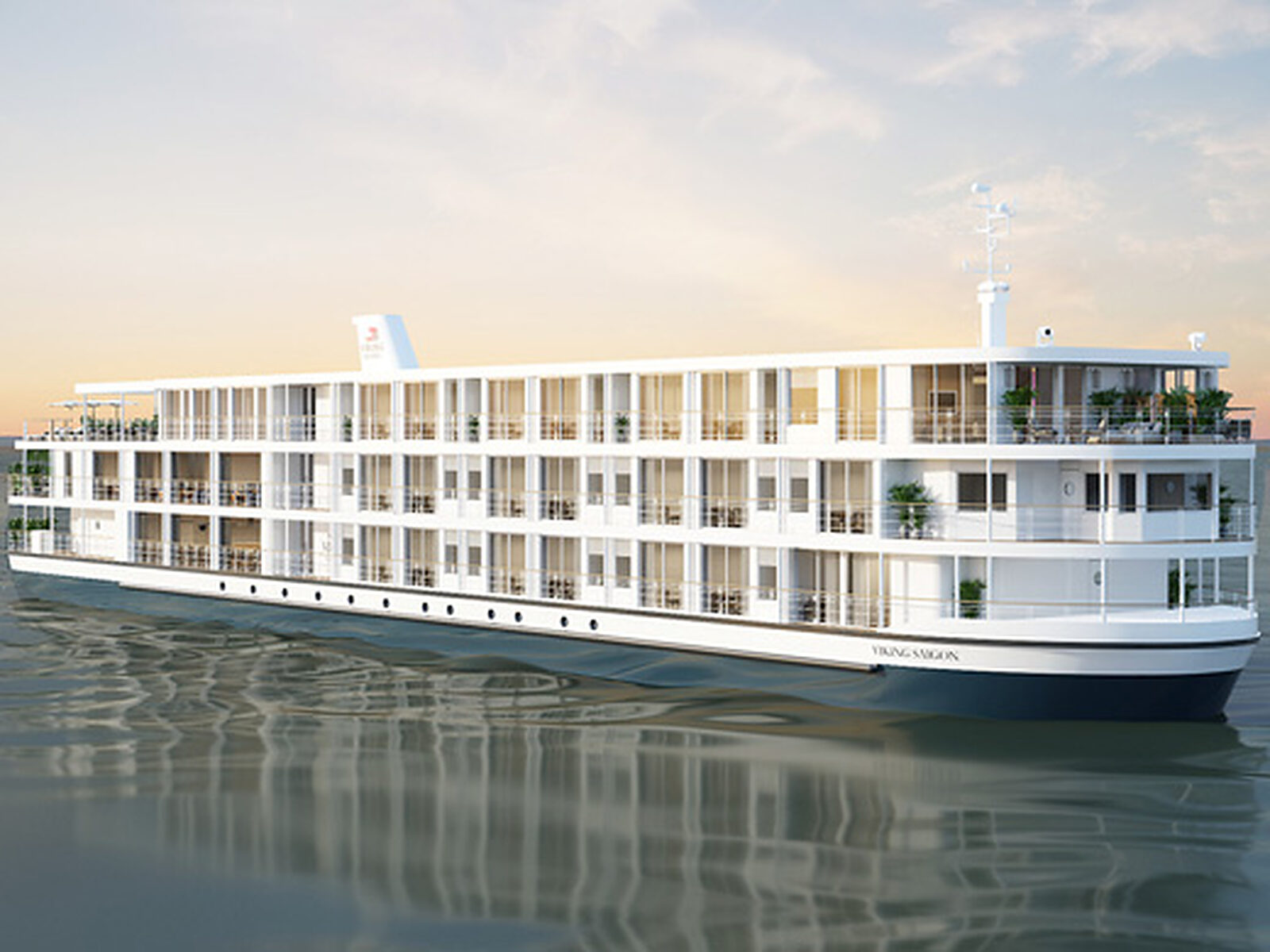
Designed to navigate the Mekong River, hosting just 80 guests, Viking Saigon offers understated elegance and has been built to reflect the clean, Scandinavian design principles for which Viking is known. Explore one of the world’s most scenic regions in comfort with outdoor verandas, hotel-style beds and public areas bathed in light, offering panoramic views of your surroundings.
View Ship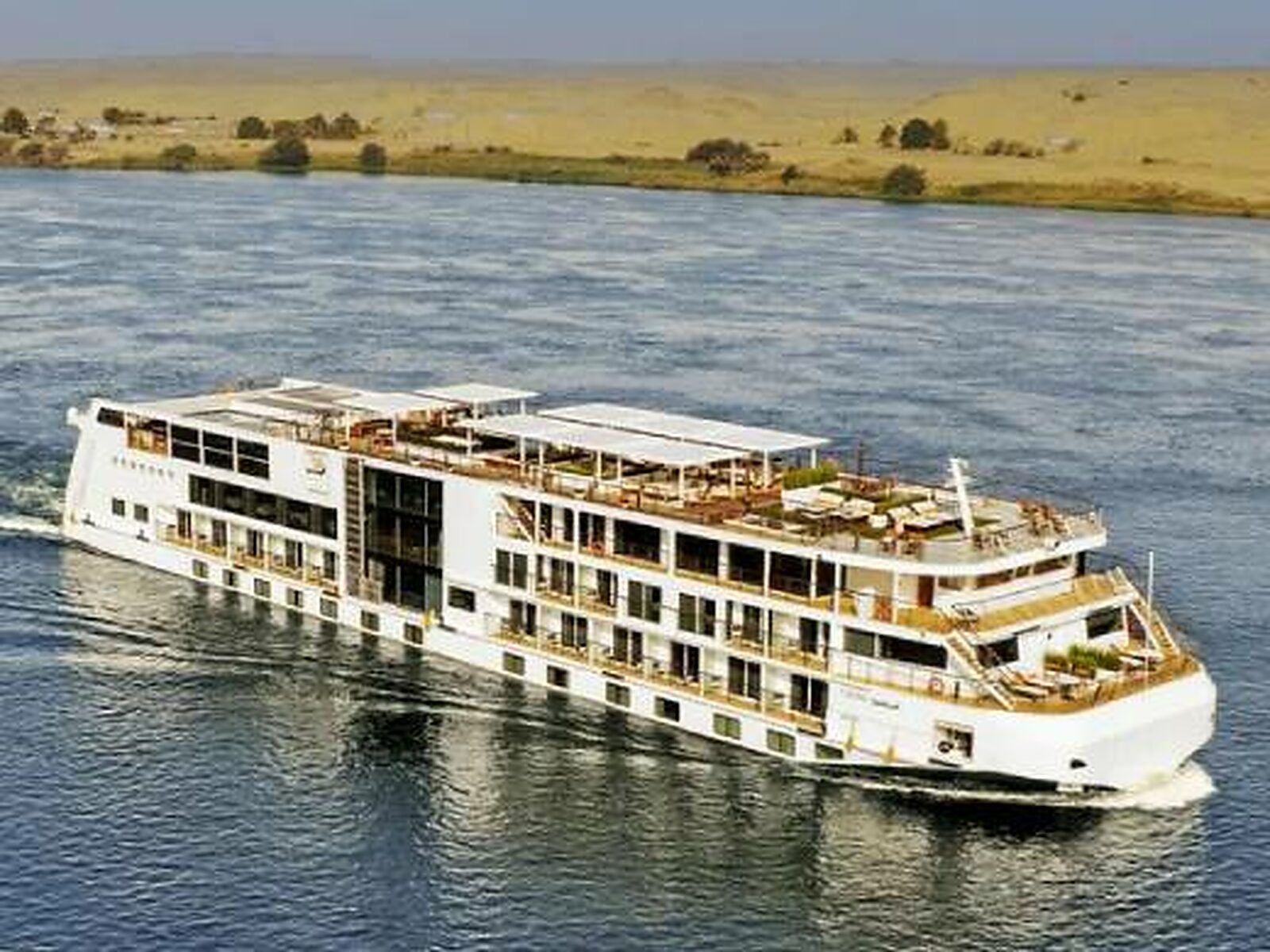
Named after an ancient Egyptian goddess of war, the Viking Sekhmet is a state-of-the-art vessel—owned and operated by Viking—specifically built to cruise the Nile. Designed in the clean, elegant Scandinavian aesthetic for which Viking is known, she offers the ultimate in comfort.
View Ship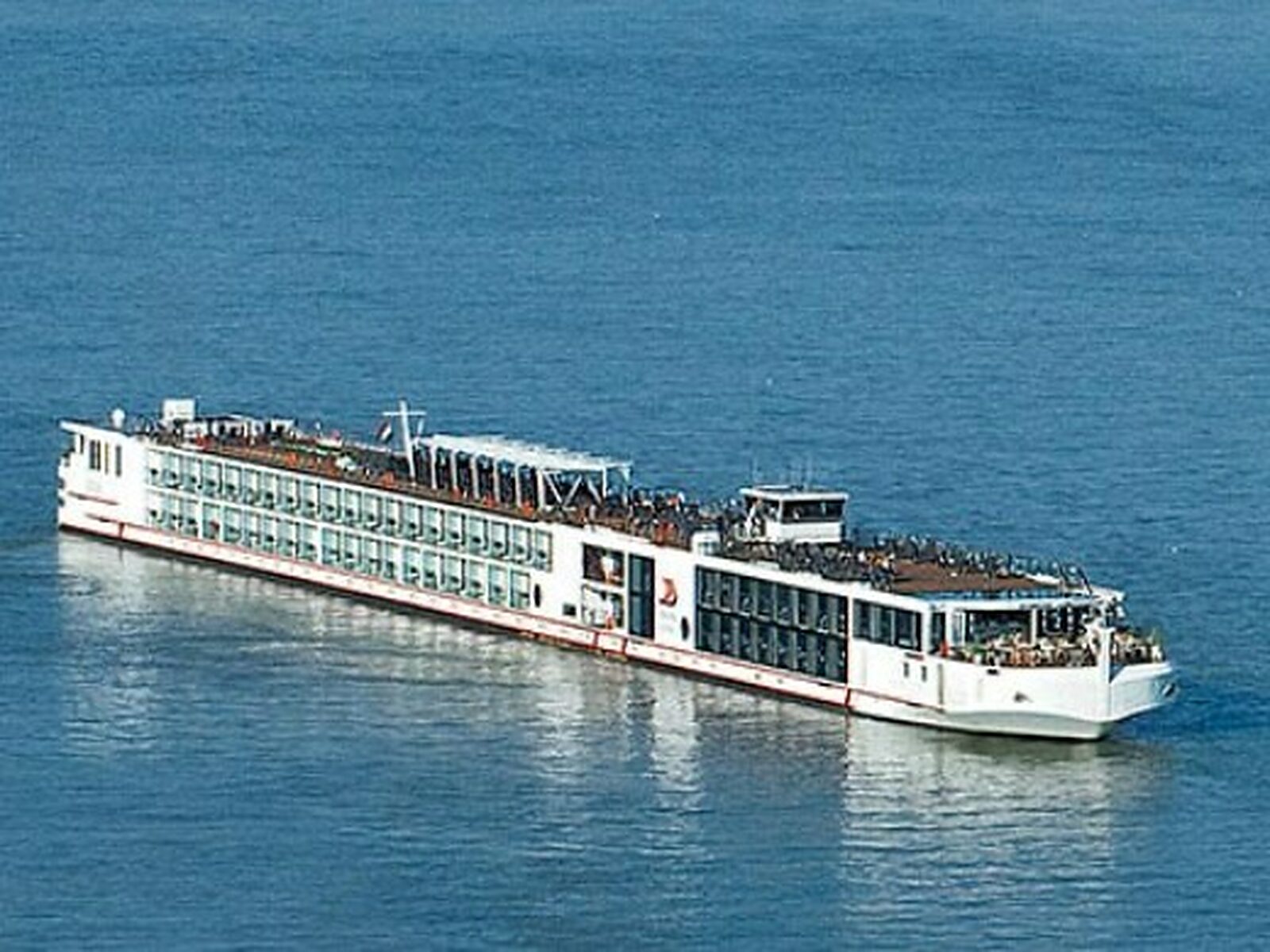
Sigrun is the leader of a band of nine Valkyries, the horse-riding women who descend upon battles to decide which soldiers die and which live. She dies from sadness after her lover Helgi is slain by her brother Dagr, and is later reborn as a Valkyrie herself.
View Ship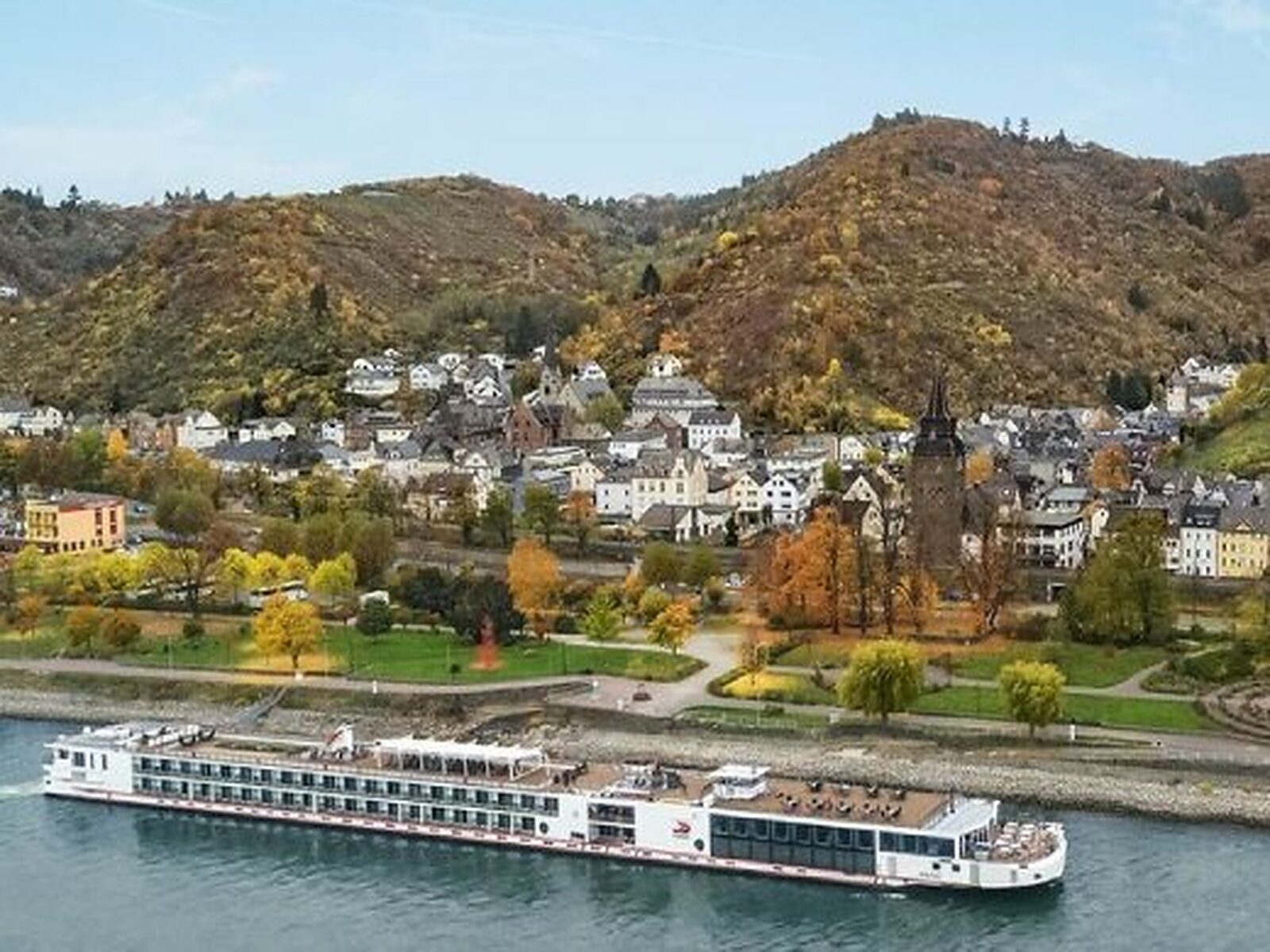
Wife of the mischievous god Loki, Sigyn is the goddess of fertility and bonds. Dedicated and loyal, she stays with her husband during his final punishment, when Odin’s son Vali kept him bound to avenge the death of his brother.
View Ship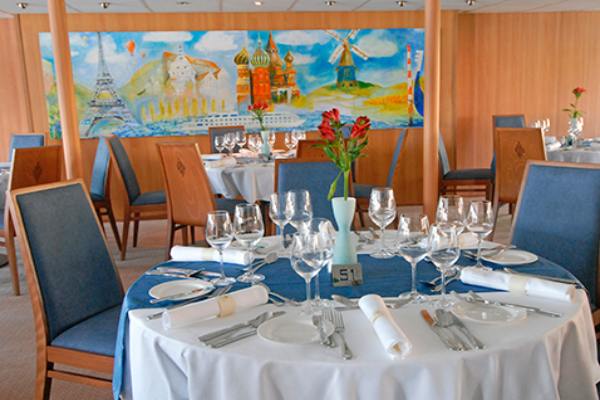
This Viking ship in Eastern Europe offers exceptional ambiance with all the comforts of a fine hotel. Enjoy spacious staterooms and suites, an inviting restaurant and beautiful public spaces on board an elegant ship that sets a new standard of river cruising excellence in the region.
View Ship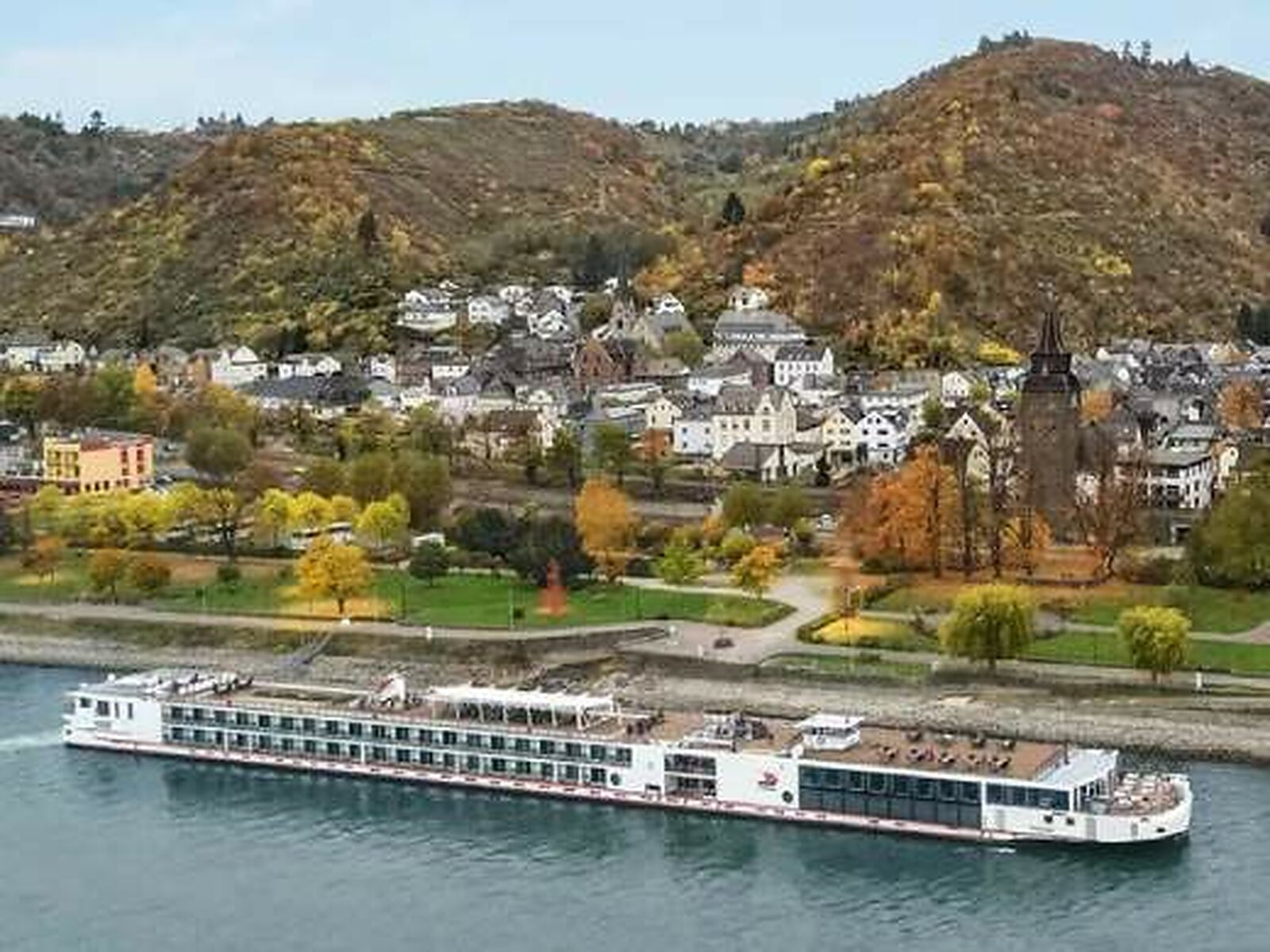
According to Norse mythology, Sjöfn spent her days facilitating romantic encounters among people and protecting engagements between couples. She was a dedicated companion of Odin’s wife, Frigg, the goddess of motherhood and marriage.
View Ship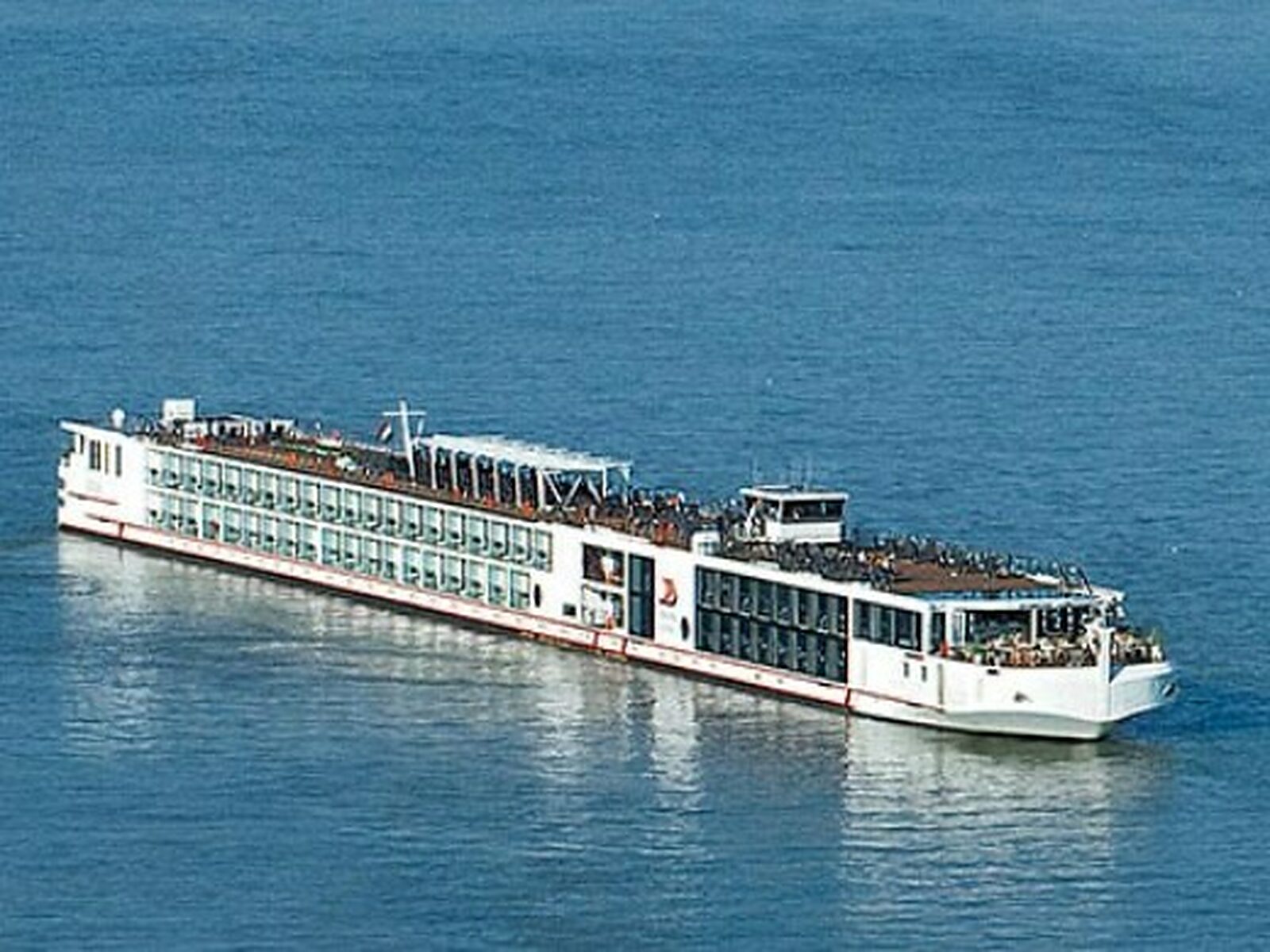
The giantess Skadi is the Norse goddess of winter. She is also associated with hunting and skiing. When her father is slain by the gods, Skadi straps on her armor and weapons and heads to Asgard, home of the gods, to avenge his death.
View Ship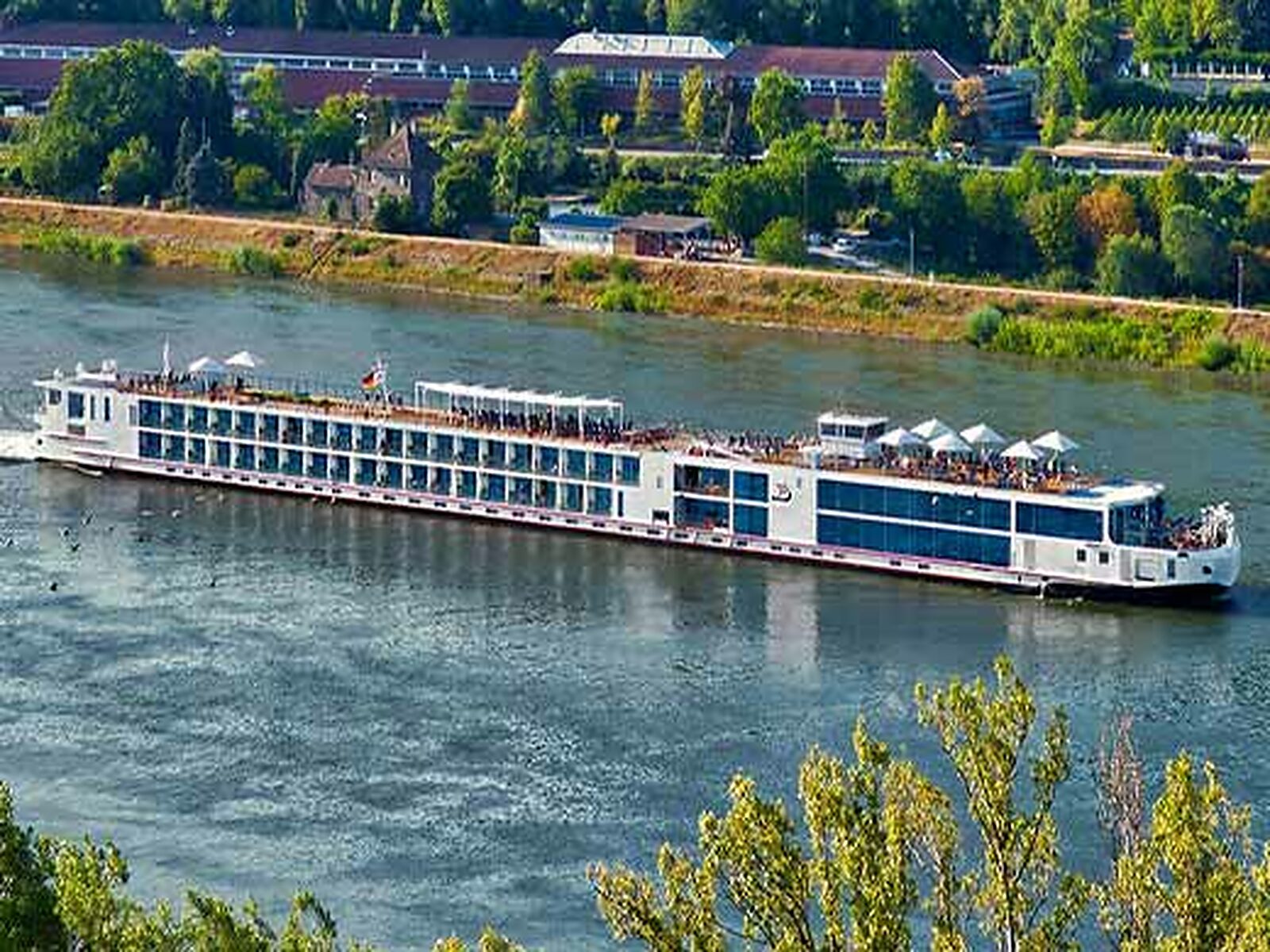
Astride her horse, the Valkyrie Skaga flew into battle to determine which soldiers would live and which would die, escorting the dead to Valhalla, the kingdom of the gods. There, the warriors prepared to fight in the ultimate battle of Ragnarok, which would all but destroy the mythological realm so it could flourish again.
View Ship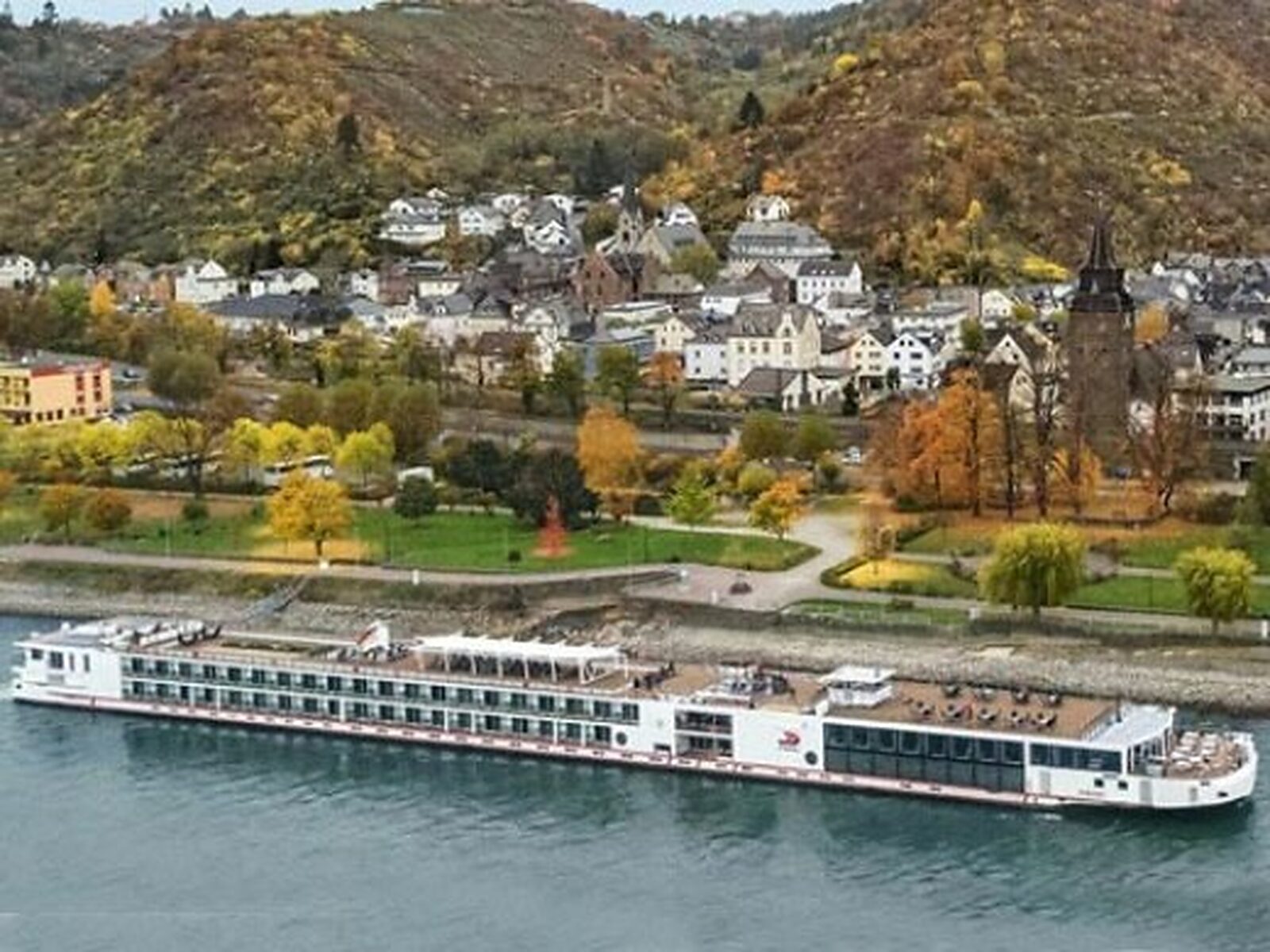
Skirnir is a humble servant of the gods. When the lovesick Freyr, god of sunshine and prosperity, falls in love with the beautiful goddess Geror, he sends Skirnir to woo her. The coy goddess refuses Skirnir’s advances until he threatens her with his mystical wand. But Skirnir is smart; for delivering Geror, he requires that Freyr give him his powerful sword as a reward.
View Ship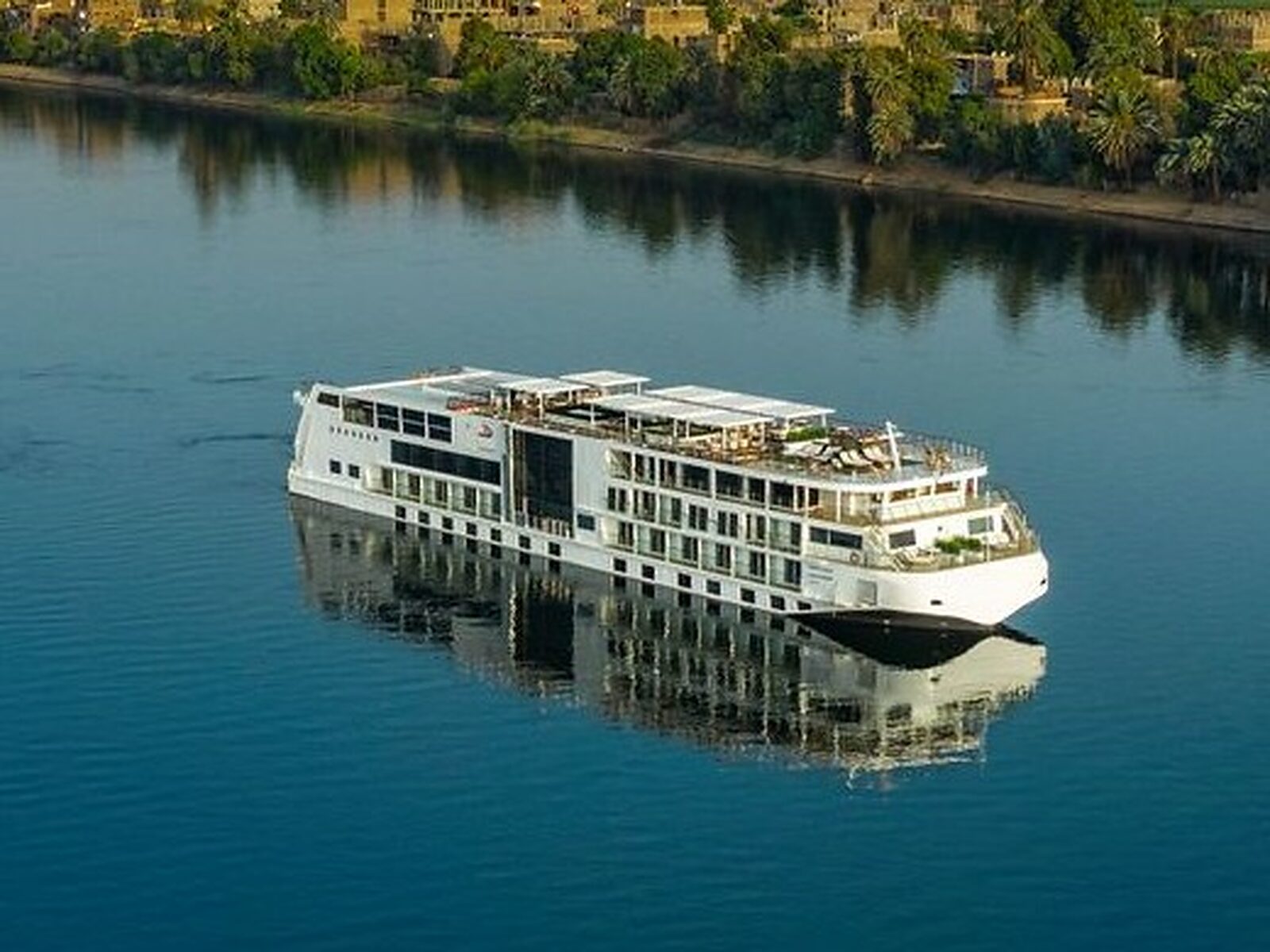
Owned and operated by Viking, Viking Sobek is the most upscale ship in Egypt. Specifically built to navigate the Nile, she is a state-of-the-art vessel—designed in the clean, elegant Scandinavian aesthetic for which Viking is known. Accommodating just 82 guests, she offers the ultimate in comfort.
View Ship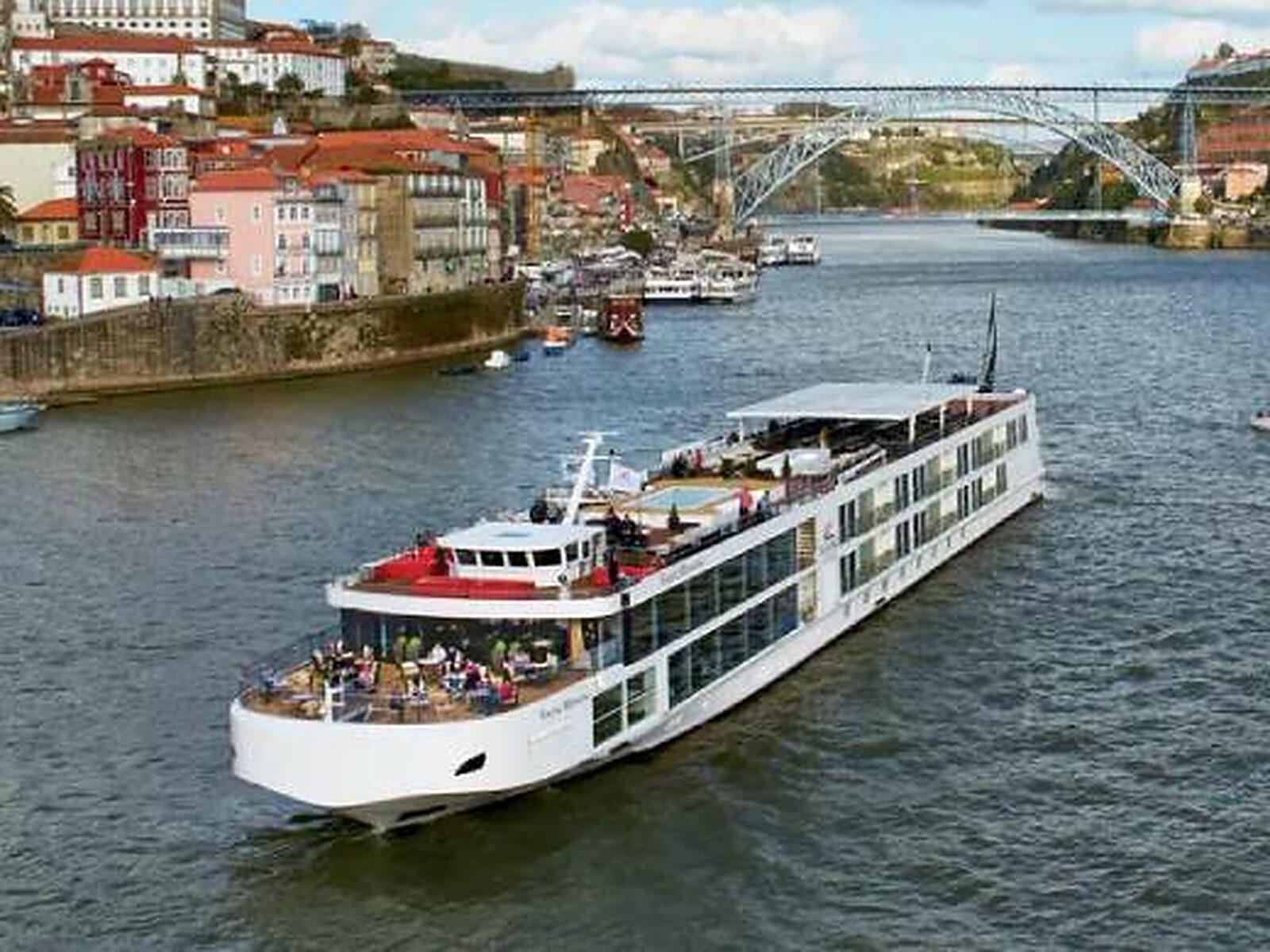
Sol is a radiant goddess who guides the sun’s chariot across the sky, spreading warmth and light to the world. In Norse mythology, her journey is eternal—constantly pursued by the wolf Sköll yet undaunted. Sol embodies resilience and hope, illuminating the horizon ahead.
View Ship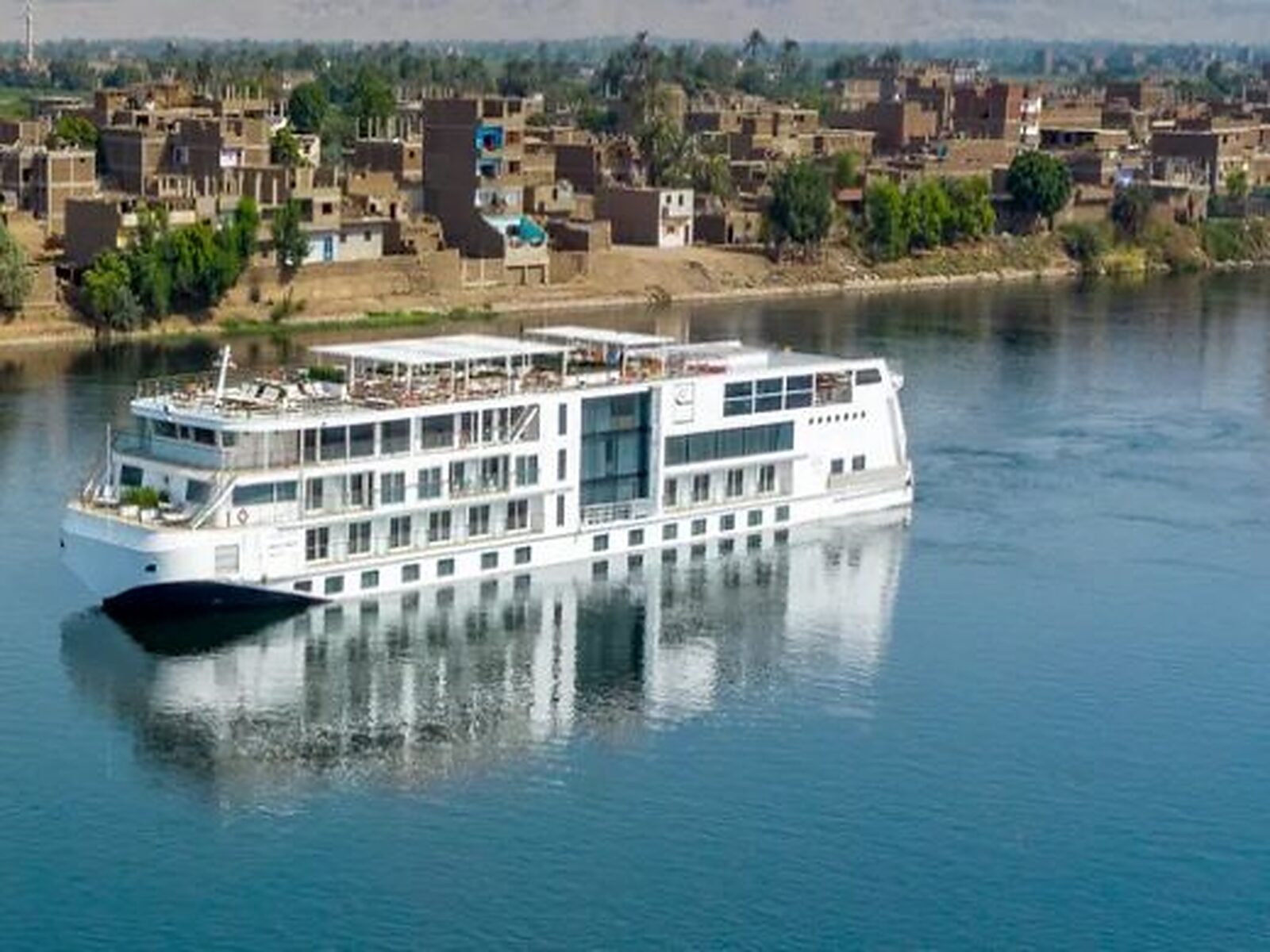
Named after the ancient Egyptian god of writing and learning, the Viking Thoth is a state-of-the-art vessel—owned and operated by Viking—specifically built to cruise the Nile. Designed in the clean, elegant Scandinavian aesthetic for which Viking is known, she offers the ultimate in comfort.
View Ship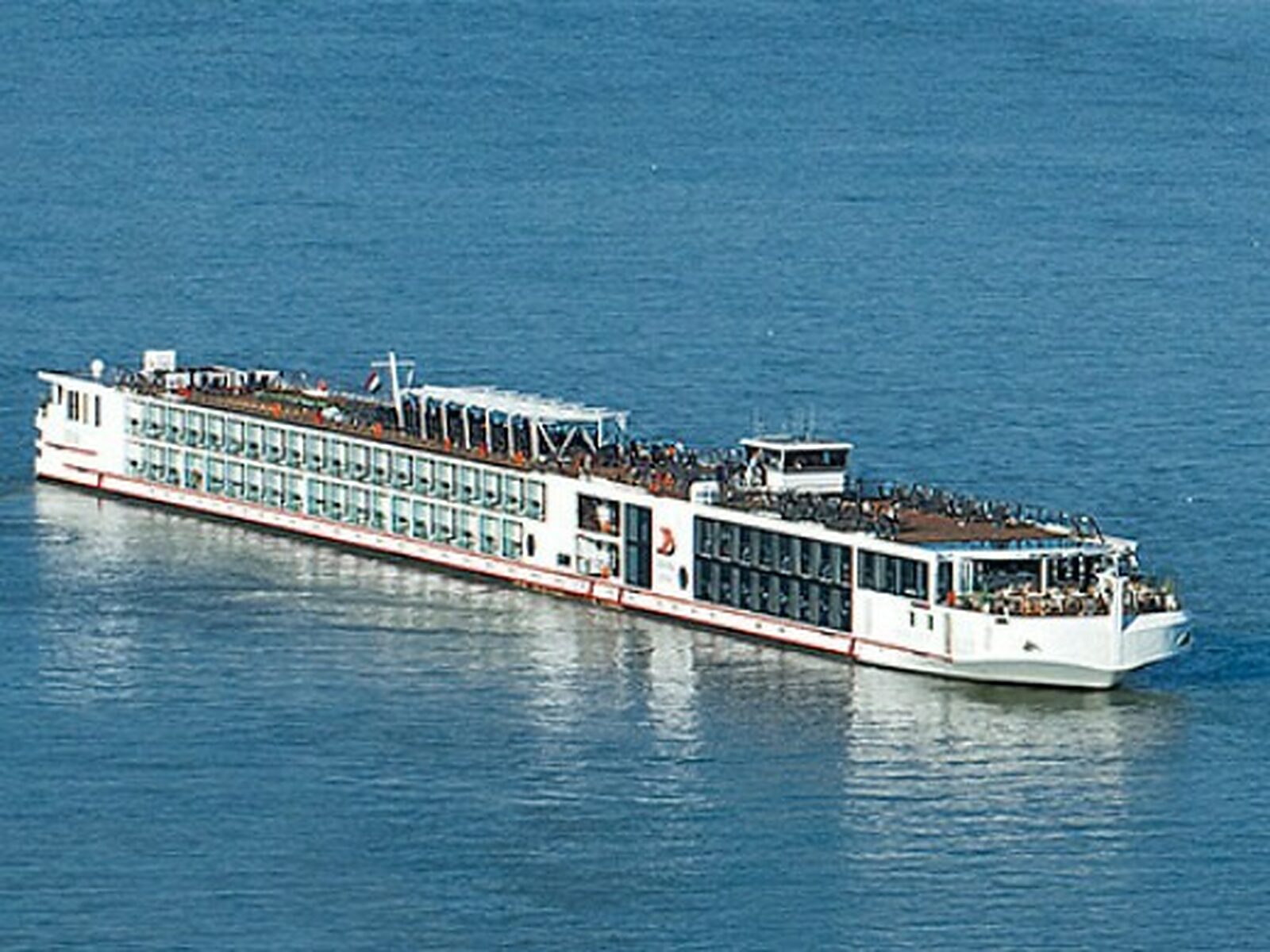
In Norse mythology, Tialfi was the son of Egil and a champion runner. He became a slave to Thor, the god of thunder, after eating one of his goats. On a journey with Thor, Tialfi stopped to run a race against the young giant Hugi. The giant was an illusion and the embodiment of thought; and since no one can run faster than thought, Tialfi lost.
View Ship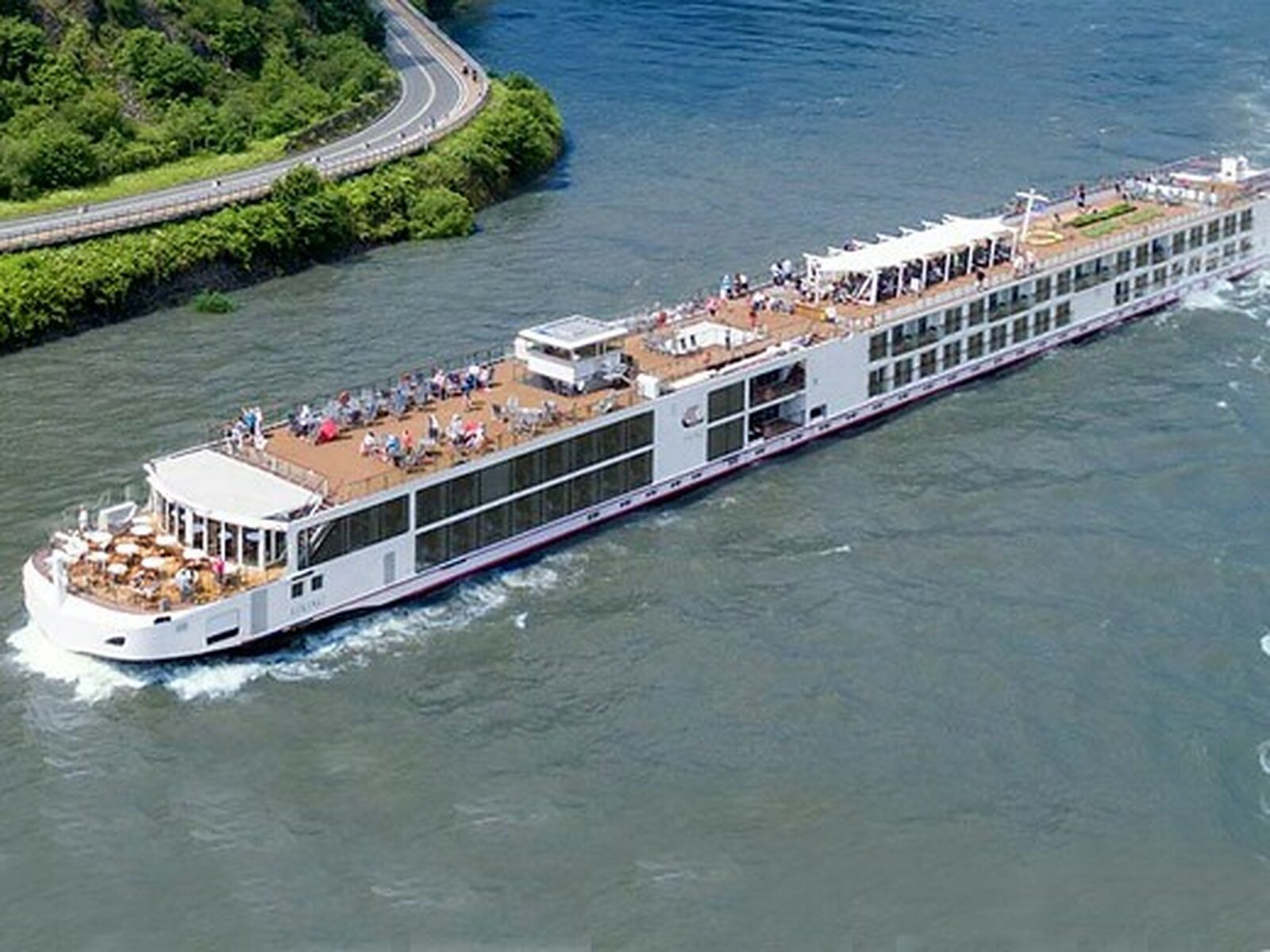
The son of Hymir, Tir is the god of heroic glory who sacrificed his hand to tame the evil wolf Fenrir. Fenrir agreed to allow the gods to bind him in magical silken ribbon only if one of them placed his hand in his mouth. Tir volunteered, and Fenrir bit his hand off.
View Ship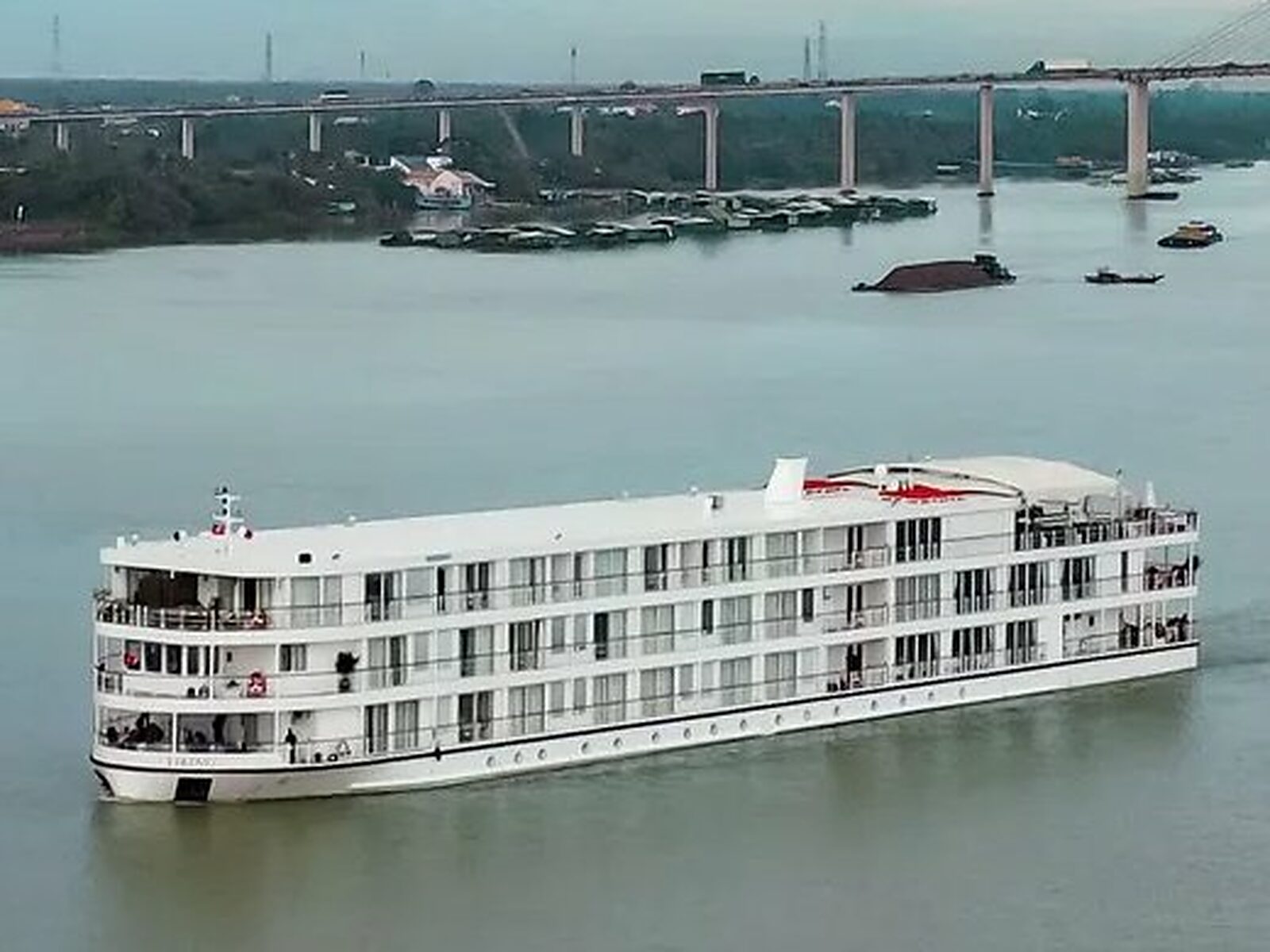
The Viking Tonle, named after the Khmer word for "fresh water," was designed to navigate the Mekong River. This ship blends understated elegance with the clean, Scandinavian design principles for which Viking is known. Explore one of the world's most scenic regions in comfort, with outdoor verandas, hotel-style beds and light-filled public areas offering panoramic views.
View Ship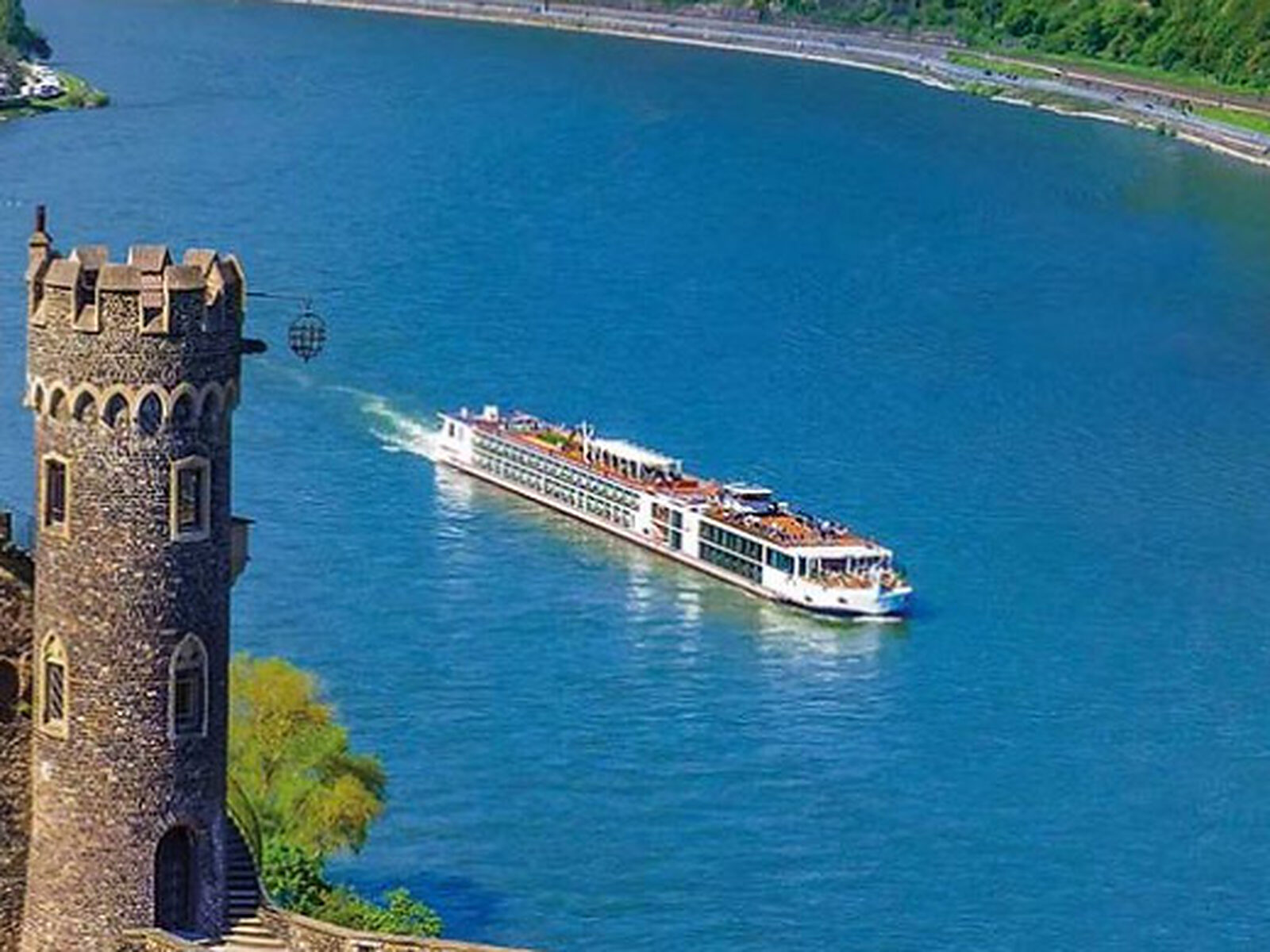
Tor, a version of the name Thor, is a son of Odin and god of the sky and thunder. Strong and powerful, he is the protector of gods and people and is usually depicted wielding his mighty hammer, Mjolnir.
View Ship
An alleged son of the Danish King Harald, Torgil sailed westward to Bretland (Wales and western England), Portugal and Ireland. According to Viking history, he and his brother Frode were the first Northmen to conquer Dublin. Torgil lived to be king of Dublin for many years.
View Ship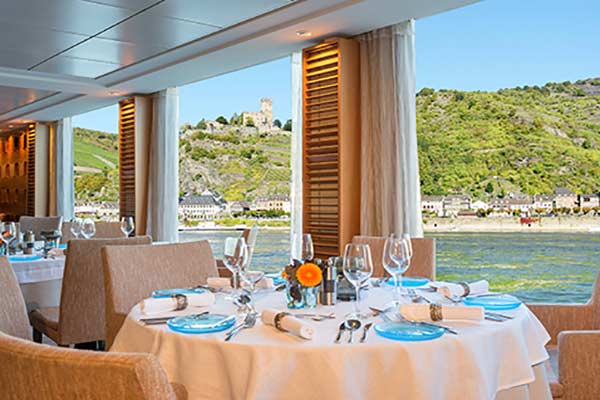
Truvor, whose name means "our faithful," took charge of Izborsk, an area near what is now Russia’s border with Estonia, controlling these lands for Kievan Rus.
View Ship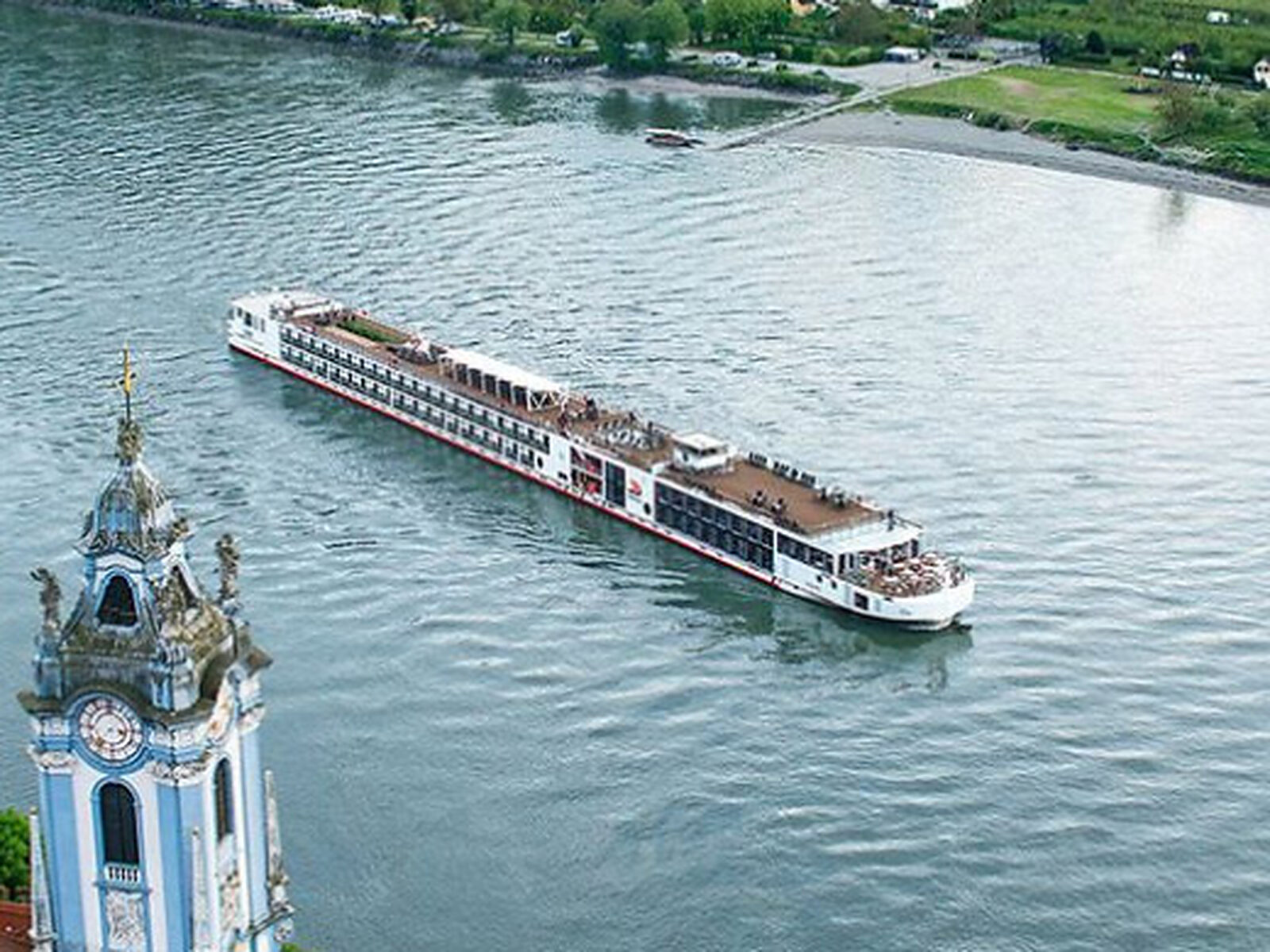
Stepson of Thor, Ullur is the god of the hunt, known for his great skill as an archer. He is also a wily wizard, able most notably to cross the seas without the use of a vessel but, instead, upon a length of bone resembling a ski on which he has cast a spell.
View Ship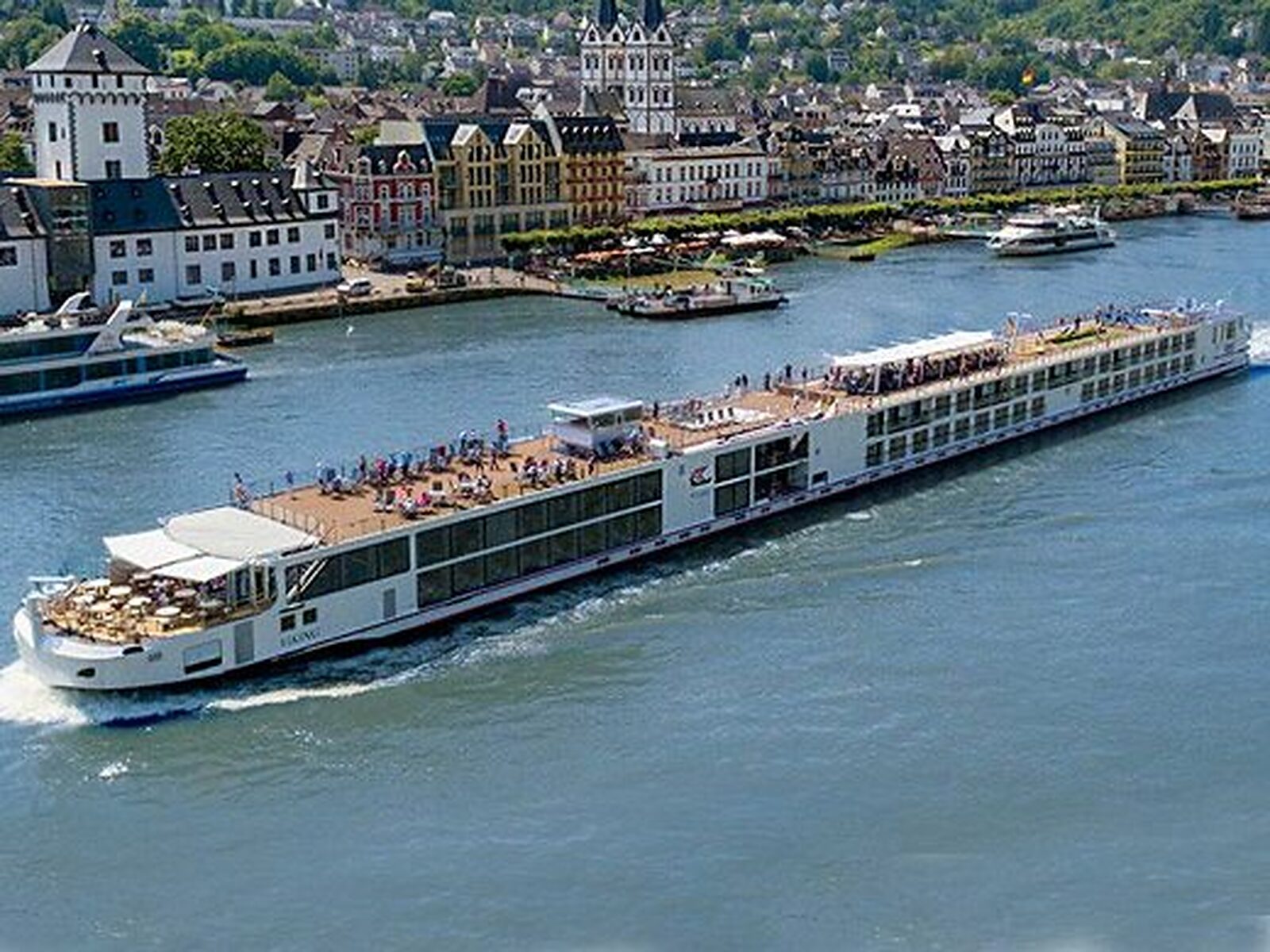
The son of Odin and the giantess Rind, Vali was conceived strictly to avenge the death of Baldur, another of Odin’s children. To achieve this, Vali grows into manhood in just one day, developing courage and perfecting his marksmanship with the bow and arrow.
View Ship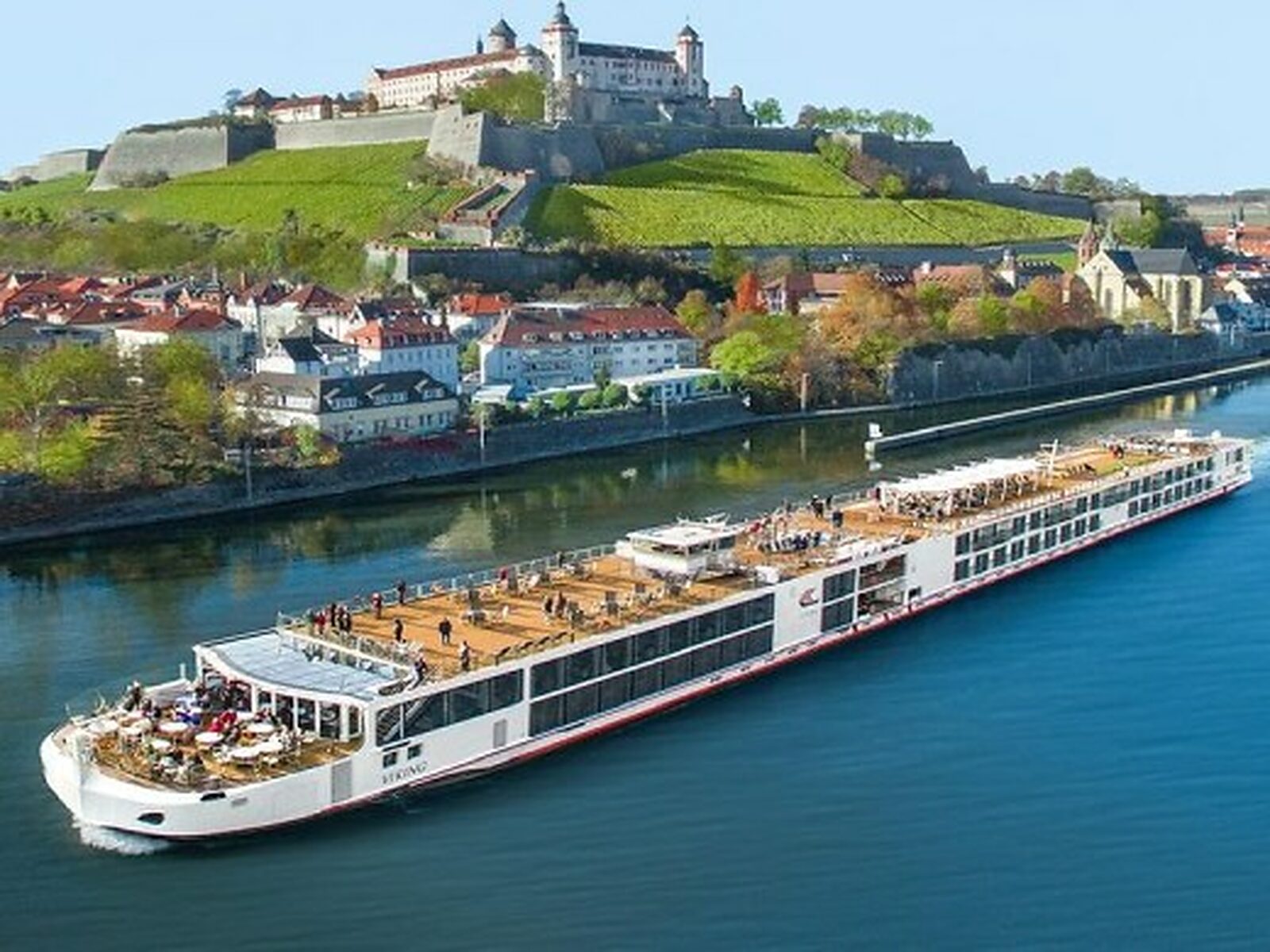
The Norse goddess of oaths, Var is a truth seeker. She oversees all agreements and contracts, particularly marriage vows made between men and women, which were known as várar in Old Norse. Hence, she is the goddess of betrothal.
View Ship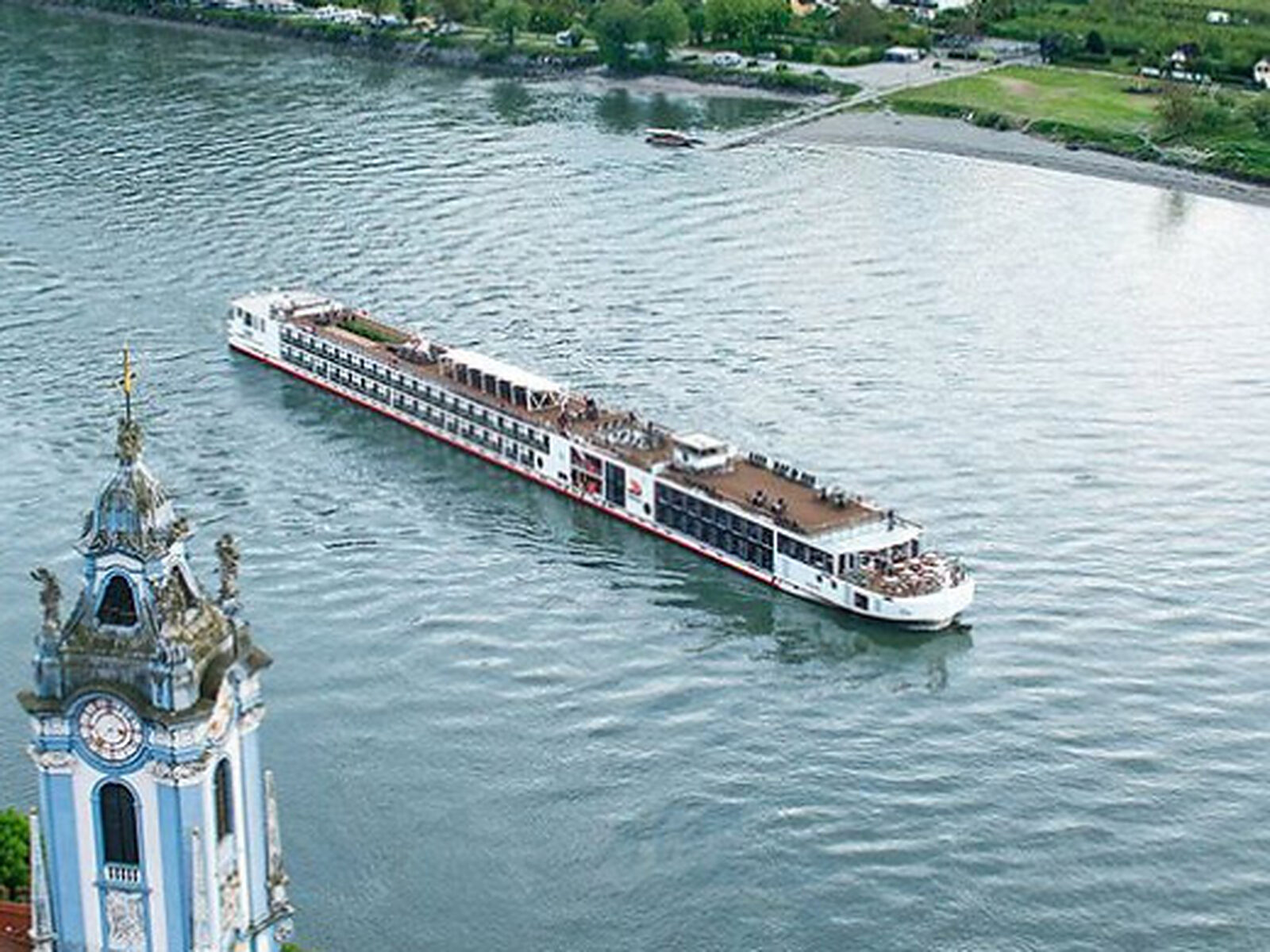
In creation mythology, the Norse god Ve is crucial. Together with his brothers Odin and Vili, he slays the primeval being Ymir, thus ending the rule of giants. The triad of brothers creates heaven and earth from the body of Ymir.
View Ship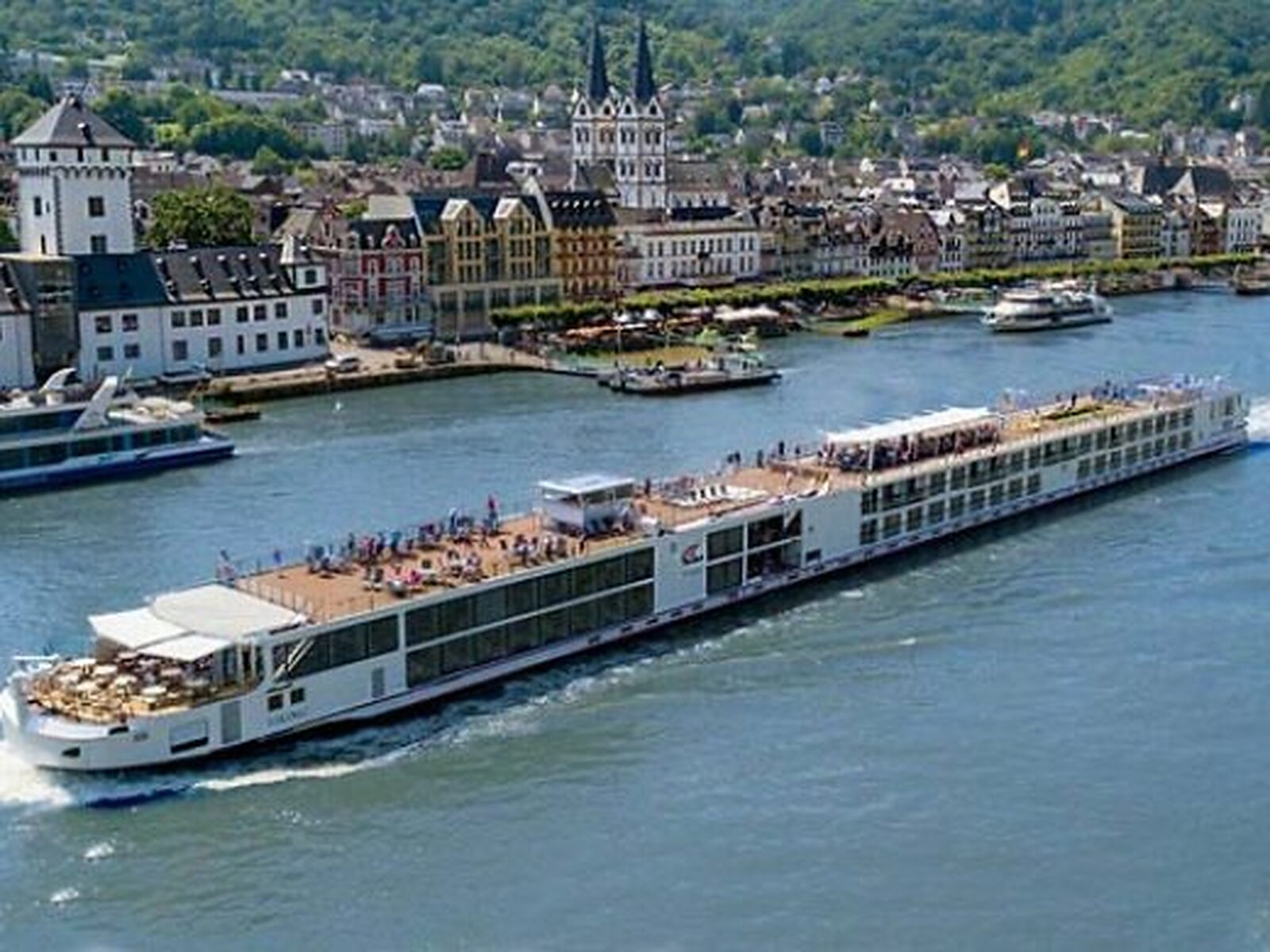
Loyal to a fault, the Norse god Vidar avenges his father Odin’s death. A collector of shoe leather discarded by mortals, he adds each of the leather shards to his own sole.
View Ship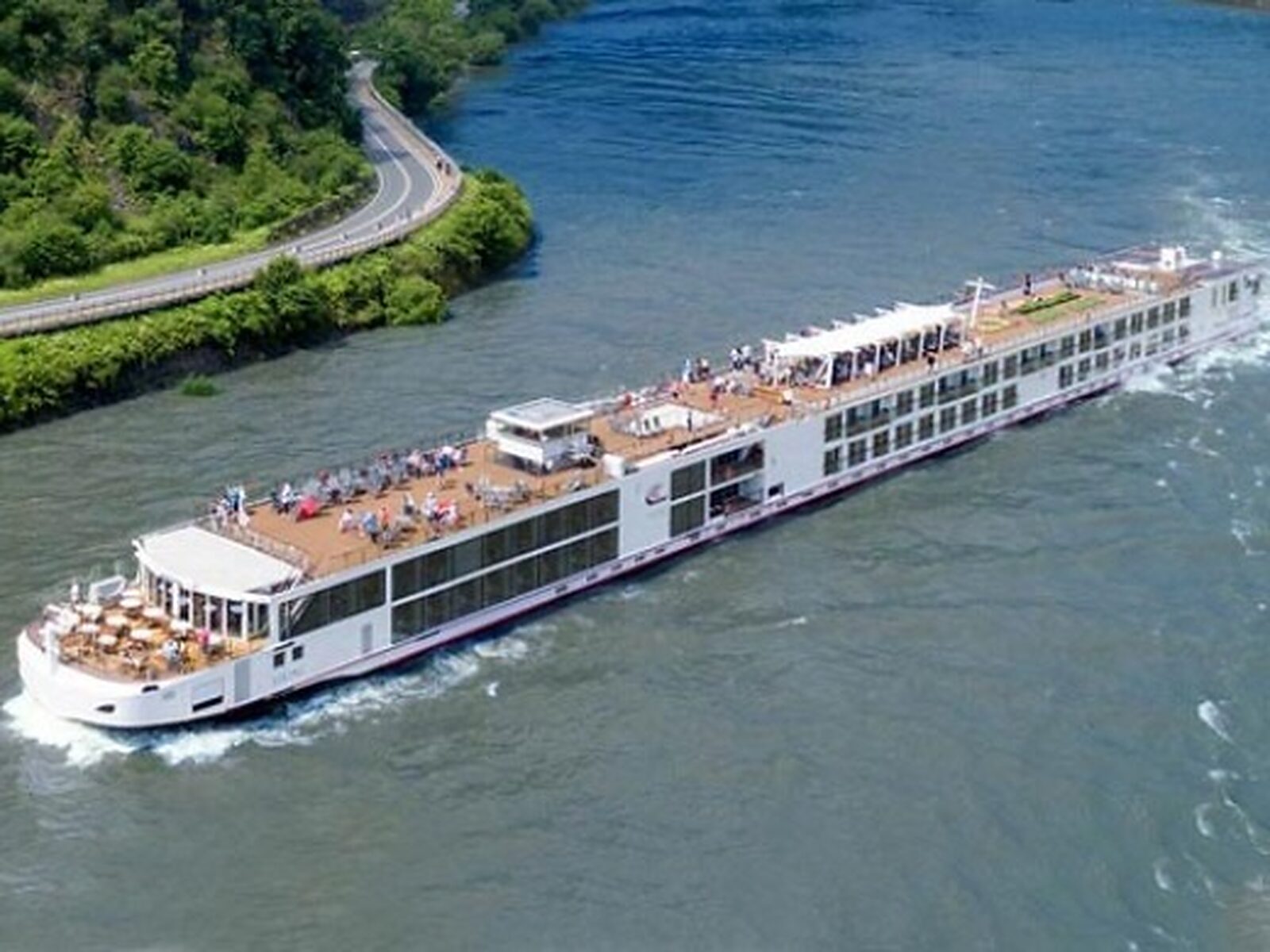
Vilhjalm Langaspjót, or William I Longsword as he is also known, was the half brother of Kadlin and the son of “Rolf the Ganger,” a Viking chief and first Duke of Normandy. Following in his famous father’s footsteps, William ruled Normandy from 927 until 942.
View Ship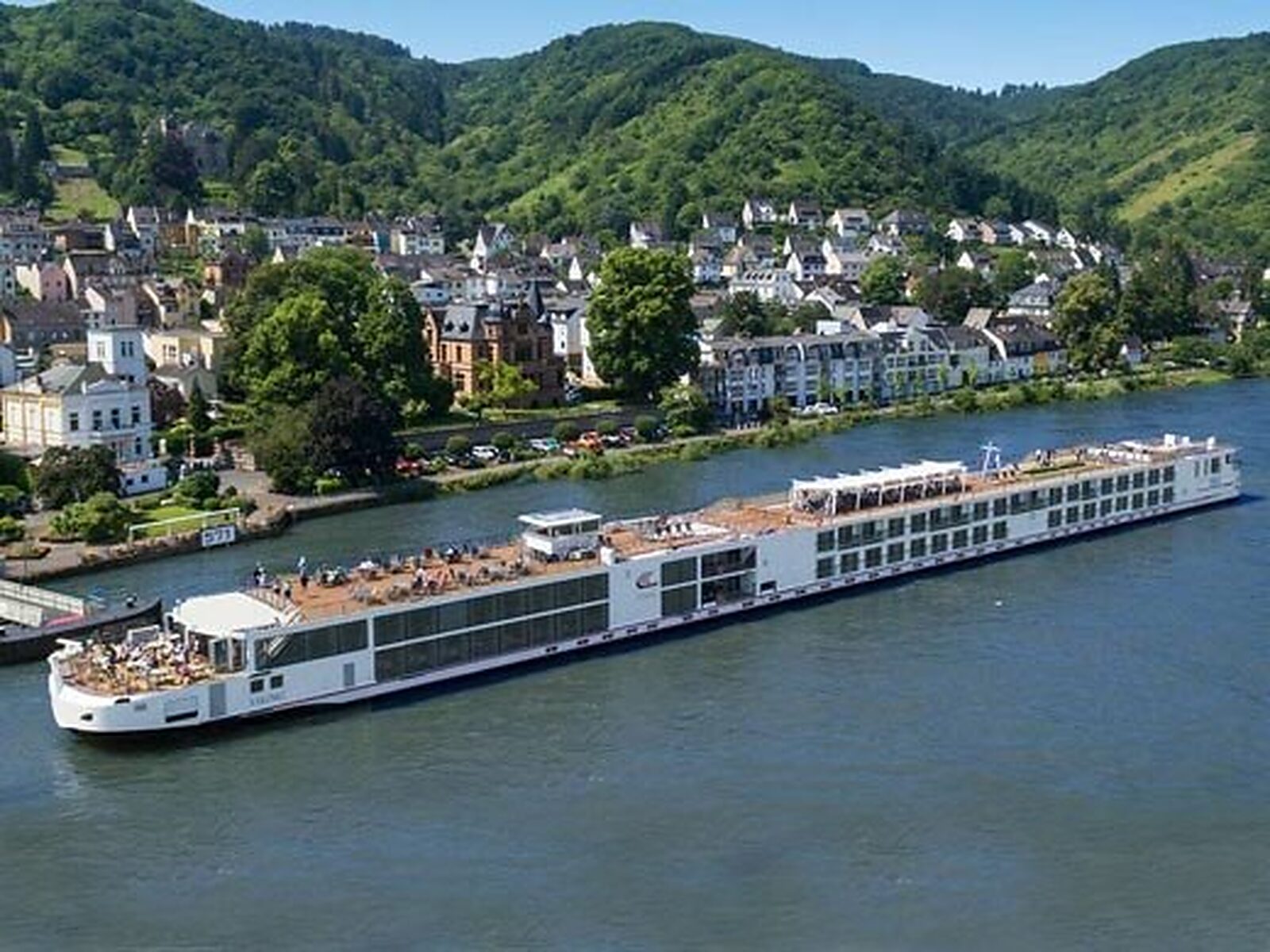
In Norse creation mythology, Vili and his brothers Odin and Ve rise up and slay the primeval Ymir, who had ruled the realm with his race of giants. The brothers then form heaven and earth from Ymir’s flesh, blood, bones and hair.
View ShipPavlus Travel members unlock exclusive pricing on every sailing. Speak with a cruise specialist today.