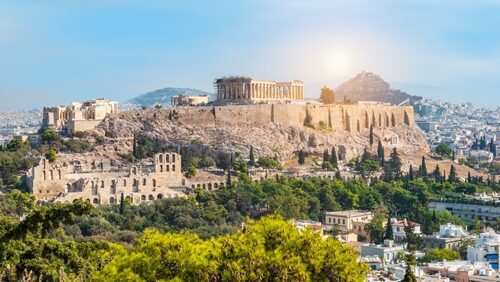
Crowned by the Acropolis and humming with three thousand years of history, Athens is the capital of Greece and one of the world's oldest continuously inhabited cities. It is widely regarded as the cradle of Western civilization — the birthplace of democracy, philosophy, theater, and the Olympic ideal.
Yet Athens is far more than an open-air museum. Below the floodlit temples, the city pulses with life: marble lanes lined with bougainvillea, bustling markets, rooftop bars framing the Parthenon, and tavernas where conversation, ouzo, and mezedes flow late into the warm evenings.
This Athens travel guide highlights the best things to do in Athens, its top attractions, dining recommendations, luxury hotels, day trips, and practical travel tips to help you plan an unforgettable visit. Travelers can experience this storied Greek capital via a luxury Greek Isles cruise, a city stay, or an upscale escorted tour.
Best Things to Do in Athens
The Acropolis & the Parthenon
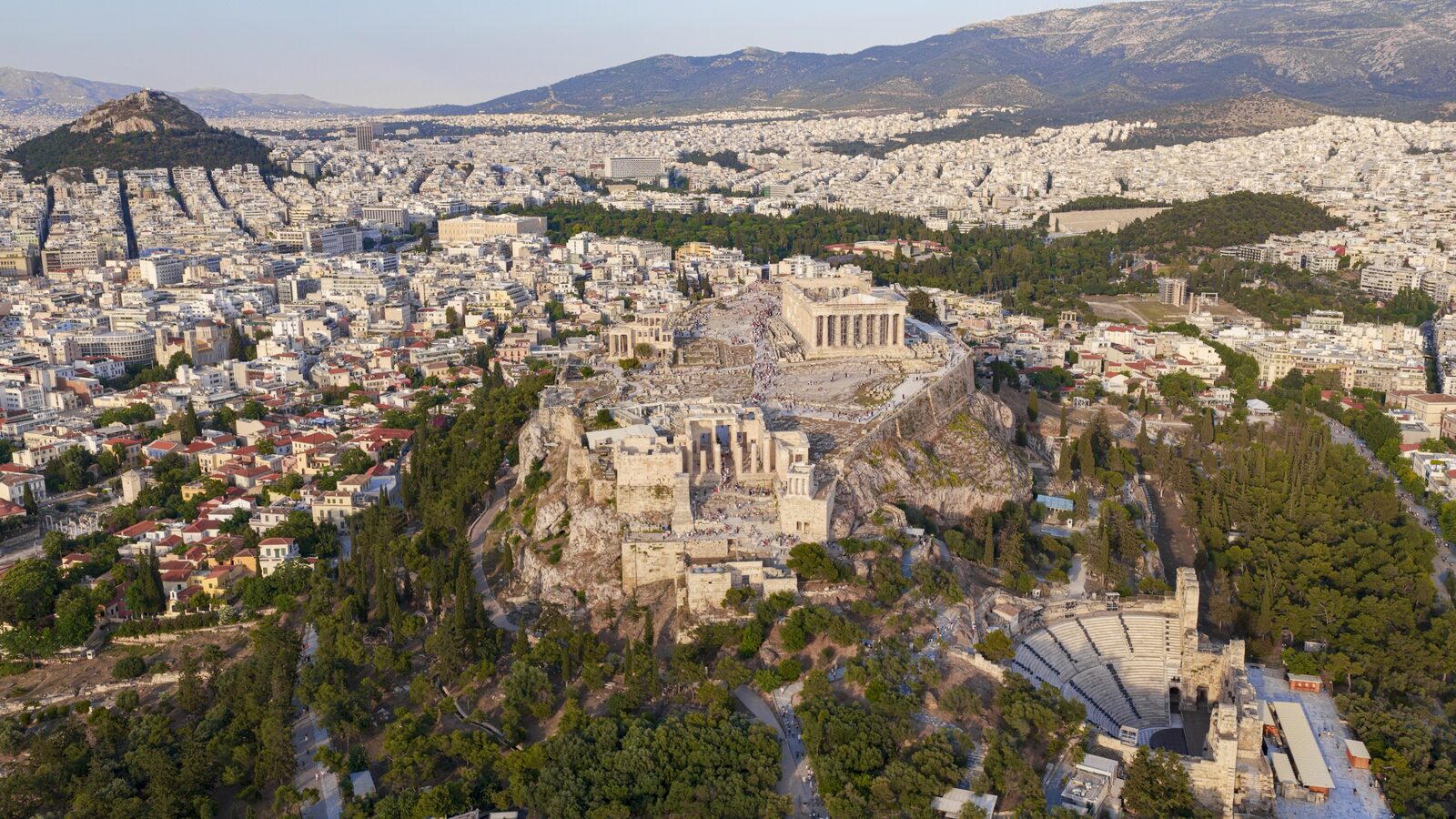
No visit to Athens is complete without ascending the Acropolis, the rocky citadel that has crowned the city since antiquity. At its summit stands the Parthenon, the 5th-century B.C. temple dedicated to the goddess Athena and the enduring symbol of Classical Greece. Its perfectly proportioned columns have influenced architecture across the world ever since.
The same sacred plateau is home to two more marvels: the Erechtheion, famed for the graceful Caryatids — six sculpted maidens serving as columns — and the small, elegant Temple of Athena Nike. Arrive early or late in the day to sidestep both the crowds and the midday heat.
The Acropolis Museum
At the foot of the sacred hill, the strikingly modern Acropolis Museum is the perfect companion to the ruins above. Its light-filled galleries display sculptures, friezes, and everyday objects excavated from the Acropolis, presented so visitors can imagine how they once adorned the temples.
The top-floor Parthenon Gallery is the showstopper: arranged to the exact dimensions and orientation of the temple itself, it lets the marble frieze unfold against floor-to-ceiling windows that frame the real Parthenon on the hillside beyond. A glass floor even reveals the ancient neighborhood unearthed beneath the building.

The Ancient Agora & the Temple of Hephaestus
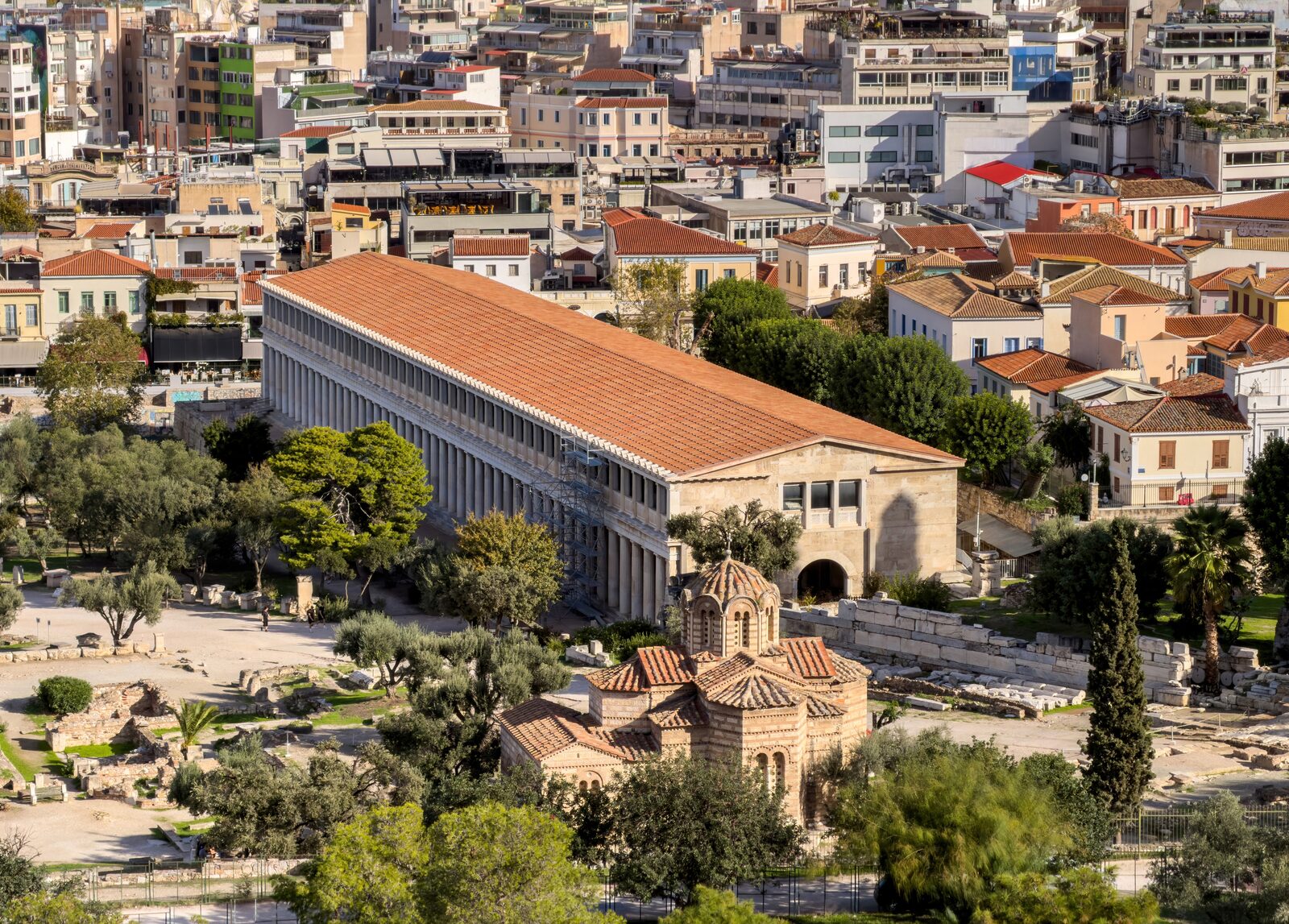
For centuries the Ancient Agora was the beating heart of Athens — the marketplace and civic square where citizens gathered to trade, debate, and shape the world's first democracy. Socrates once taught here, and to wander its shaded paths is to walk in the footsteps of philosophers.
Presiding over the site is the Temple of Hephaestus, one of the best-preserved ancient Greek temples anywhere, its Doric columns still standing nearly intact. The reconstructed Stoa of Attalos, now a museum, helps visitors picture the bustling colonnade that once lined the square.
The Plaka & Anafiotika Neighborhoods
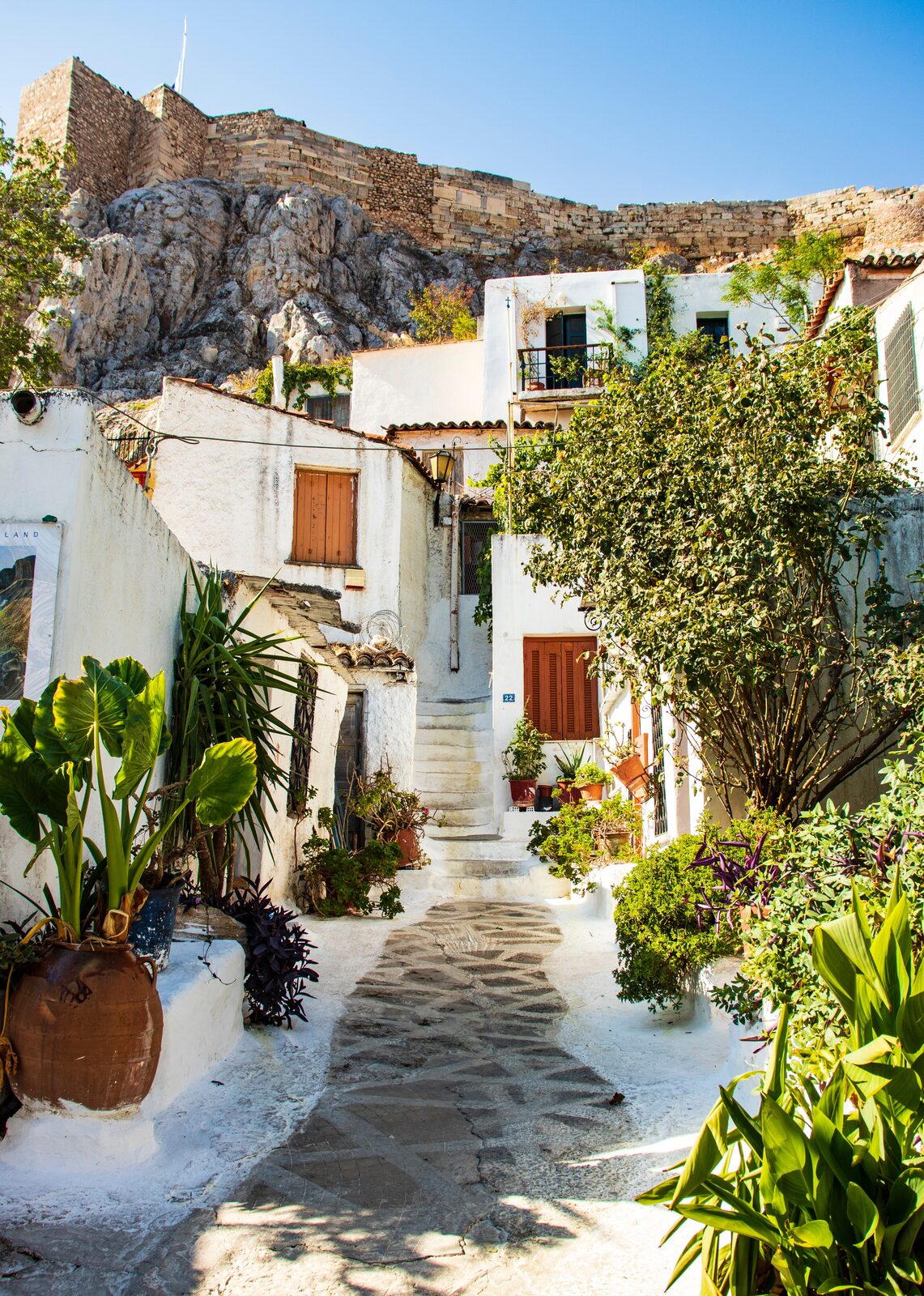
Nestled below the Acropolis, the Plaka is the city's oldest and most enchanting quarter. Its labyrinth of pedestrian lanes is lined with neoclassical houses, family-run tavernas, jewelry workshops, and shops spilling over with ceramics and worry beads. It is made for aimless wandering.
Tucked into the Plaka's upper reaches is Anafiotika, a tiny pocket of whitewashed, blue-shuttered cottages built by island craftsmen in the 19th century. Climbing its stepped alleys, with cats dozing on sun-warmed walls, feels like stepping onto a Cycladic island in the middle of the capital.
The Panathenaic Stadium & the Temple of Olympian Zeus
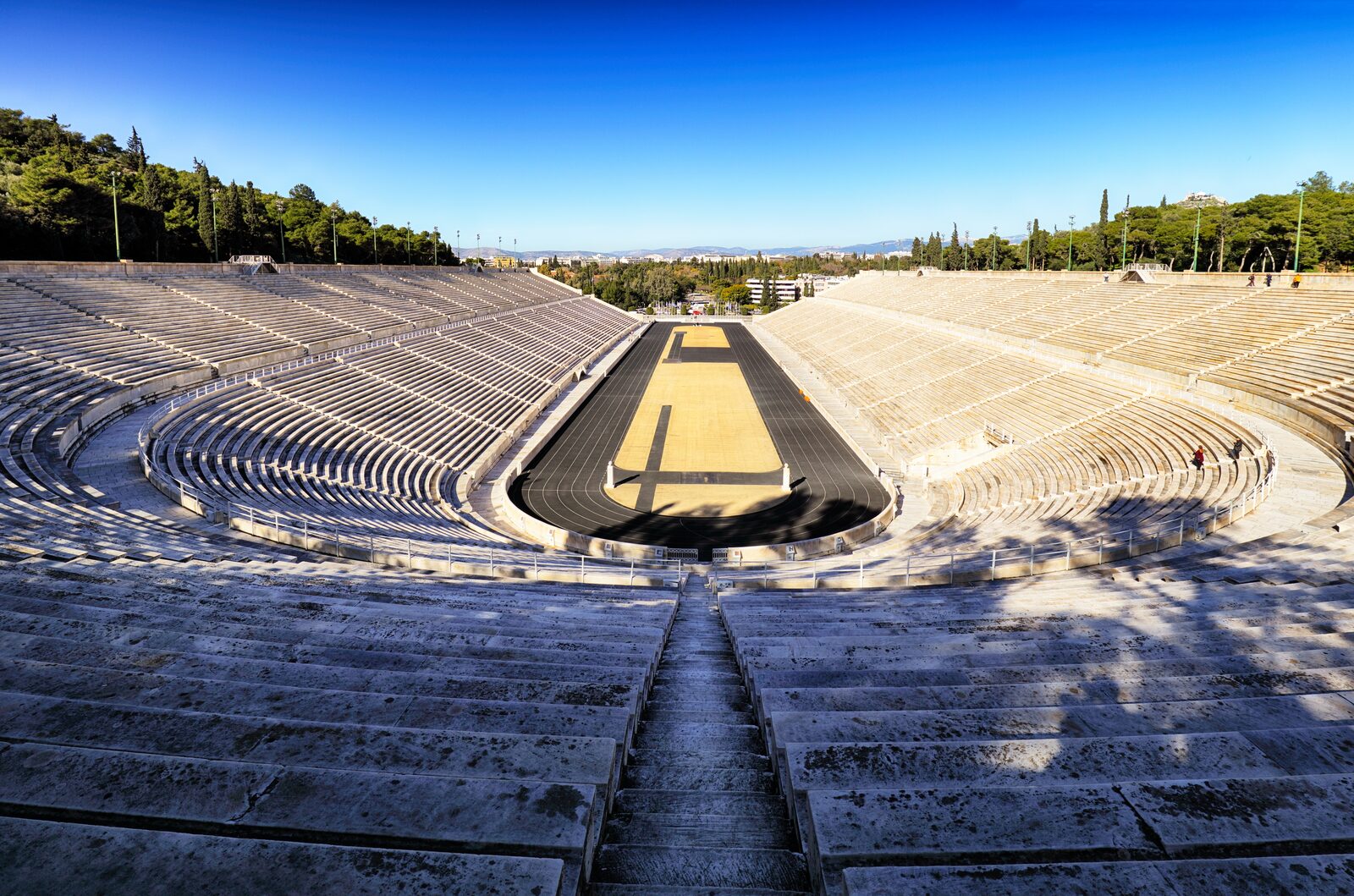
Gleaming entirely in white marble, the Panathenaic Stadium is the only stadium in the world built of the material. Restored on the site of an ancient arena, it hosted the first modern Olympic Games in 1896 and remains a stirring place to stand on the track where Olympic history was reborn.
A short stroll away rise the towering columns of the Temple of Olympian Zeus. Once the largest temple in Greece, it took some seven centuries to complete; today a handful of its colossal Corinthian columns still soar skyward beside the graceful Arch of Hadrian.
The National Archaeological Museum & Lycabettus Hill
The National Archaeological Museum is one of the world's great repositories of antiquity, gathering treasures from across Greece under one roof. Among its highlights are the golden Mask of Agamemnon, the lifelike bronze statues recovered from the sea, and the intricate Antikythera Mechanism, an astonishing ancient analog computer.
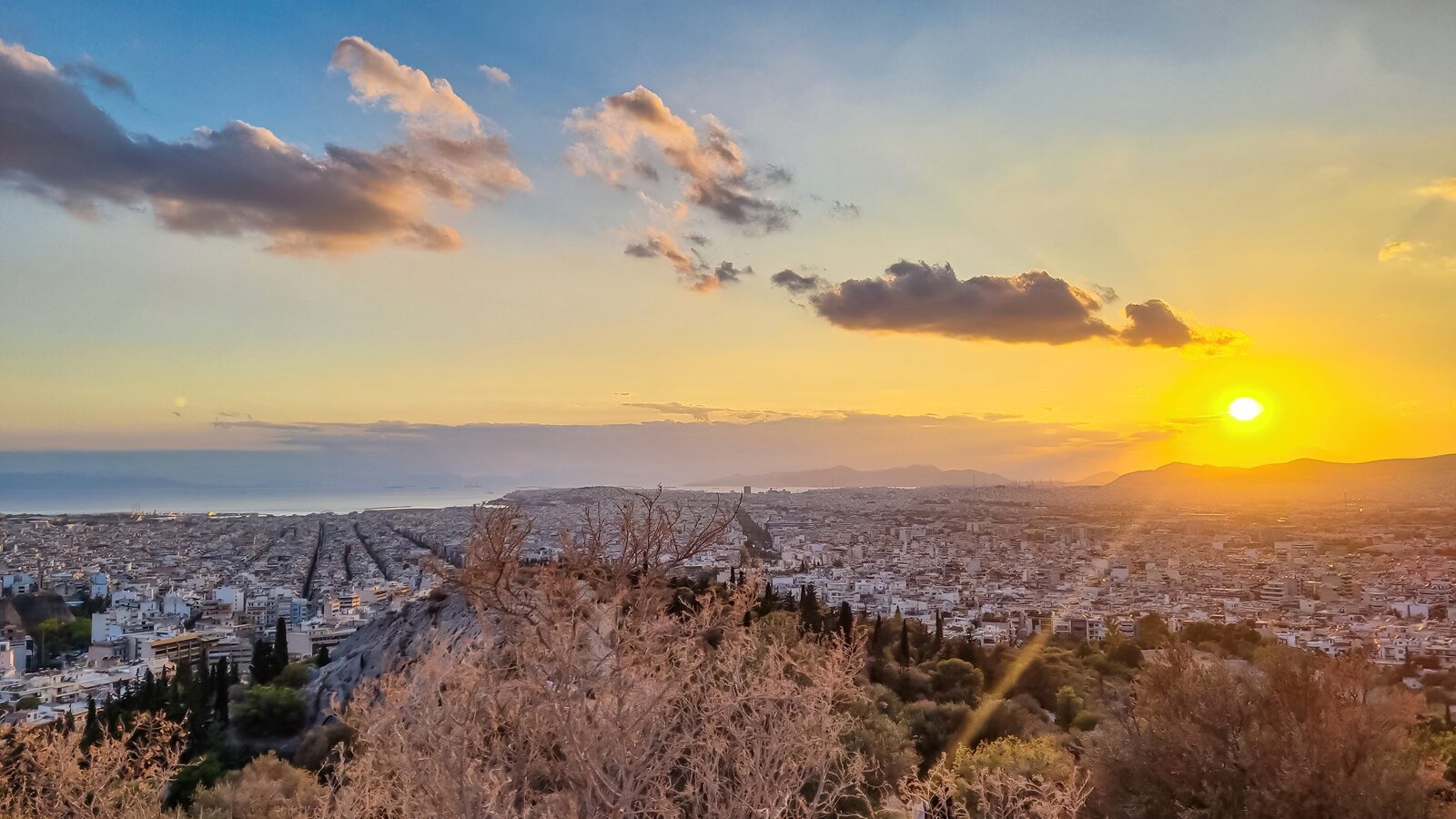
End your day on Lycabettus Hill, the highest point in central Athens. A funicular (or an invigorating walk) carries you to the summit chapel of St. George, where a sweeping panorama unfurls — the whole city sprawling toward the sea, the Acropolis glowing gold as the sun slips below the horizon.
If you plan to visit several ancient sites, ask your Pavlus travel planner about the combined Athens archaeological-sites ticket, which bundles the Acropolis with the Ancient Agora, the Temple of Olympian Zeus, and more — often a better value than separate admissions.
Wear sturdy, non-slip shoes for the Acropolis and Agora: the ancient marble and worn stone underfoot can be surprisingly slick. Visit the Acropolis at opening or in the last hours before closing to enjoy softer light and thinner crowds.
Where to Eat in Athens
Athenian dining is generous, social, and rooted in superb local ingredients. Travelers can graze on quick street-food classics, settle into a family taverna for a long lunch, or splurge on inventive Greek gastronomy with the Parthenon as a backdrop. Here is a sampling of the city's flavors.

Souvlaki & Gyros
Athens\' beloved street food is skewered or spit-roasted meat tucked into warm pita with tomato, onion, and a smear of tzatziki. The lanes around Monastiraki Square are famous for it — an inexpensive, delicious way to eat on the go.
A Traditional Taverna
For the heart of Greek cooking, settle into a neighborhood taverna and order a spread: moussaka (layered eggplant and spiced meat under béchamel), a horiatiki (village) salad crowned with feta, creamy tzatziki, and whatever seafood is grilling fresh that day.
Varvakios Central Market
The lively Varvakios Agora is Athens\' central market, where vendors stack glistening fish, olives, cheeses, herbs, and spices. Tucked among the stalls are humble cookhouses serving hearty, time-honored dishes to market workers and curious travelers alike.
Meze & Ouzo or Tsipouro
The Greek way to linger is over mezedes — small plates such as grilled octopus, fried cheese, and dolmades — shared slowly and washed down with ouzo or tsipouro. A mezedopoleio (meze house) is the ideal place to settle in and let the evening unfold.
A Rooftop with Acropolis Views
Several restaurants and bars near the Plaka and Monastiraki crown their terraces with views of the floodlit Acropolis. Reserve a sunset table, raise a glass, and savor Greek classics or modern Mediterranean dishes beneath one of the world\'s most famous monuments.
Michelin-Starred Dining
For a special occasion, Athens has a growing fine-dining scene. Longtime favorite Spondi, set in an elegant neoclassical building in Pangrati, marries French technique with Mediterranean flavor, while Hytra, atop a cultural center, reinterprets Greek tradition with sweeping city views. Reserve well ahead.
Best Day Trips from Athens
Athens is the perfect base for exploring the wider wonders of Greece, from clifftop temples and sacred sanctuaries to island escapes and ancient theaters — many reachable in a single, well-spent day.
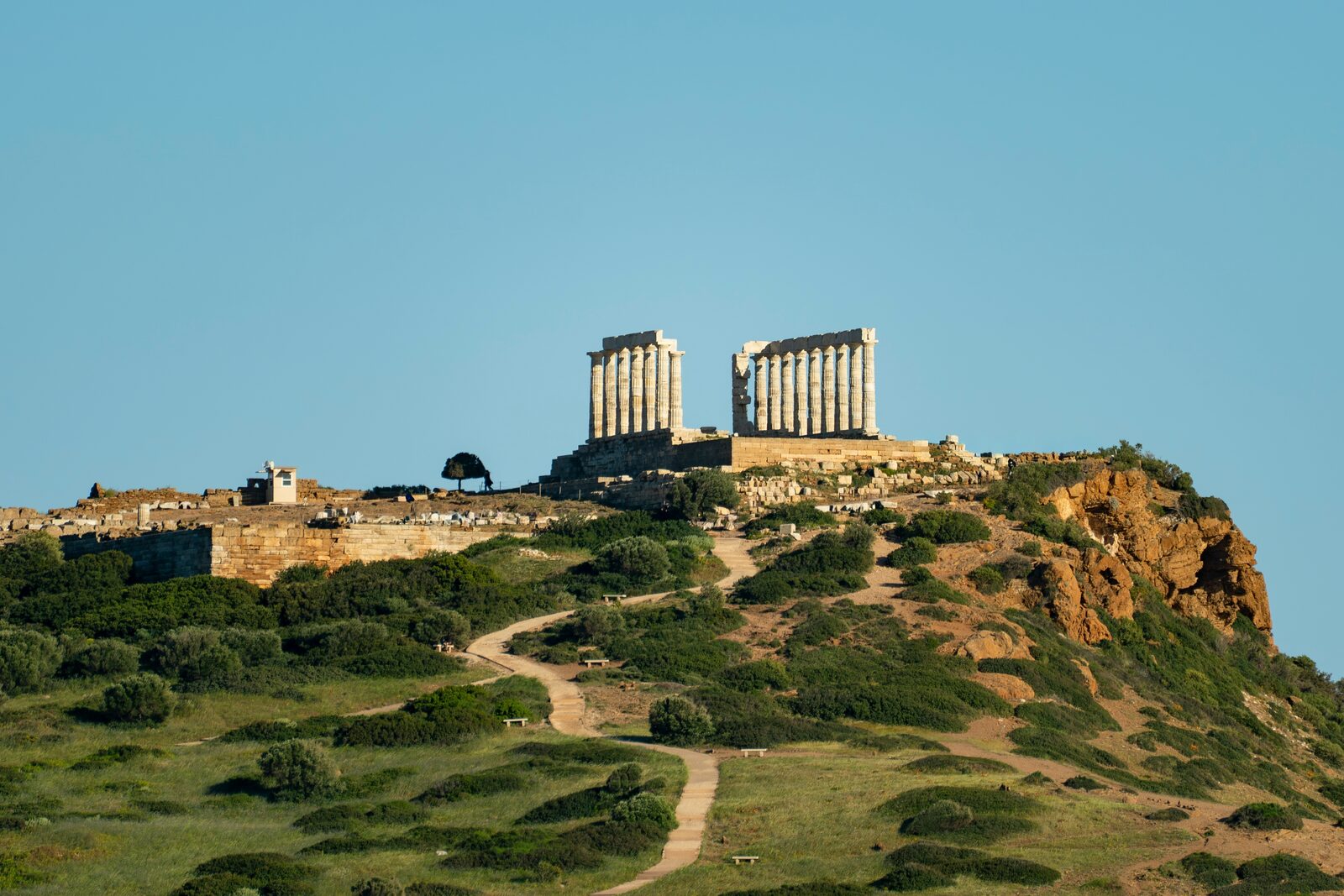
Cape Sounion & the Temple of Poseidon
About an hour and a half down the scenic Athens Riviera, the Temple of Poseidon stands sentinel on a windswept headland high above the Aegean. Travelers time their visit for late afternoon, when the marble columns blaze gold and the sun sinks dramatically into the sea.
Delphi
Cradled on the slopes of Mount Parnassus, Delphi was the most sacred site of the ancient Greek world — home to the famed Oracle and once considered the center of the earth. This UNESCO World Heritage Site rewards visitors with evocative ruins, a fine museum, and breathtaking mountain views.
The Saronic Islands
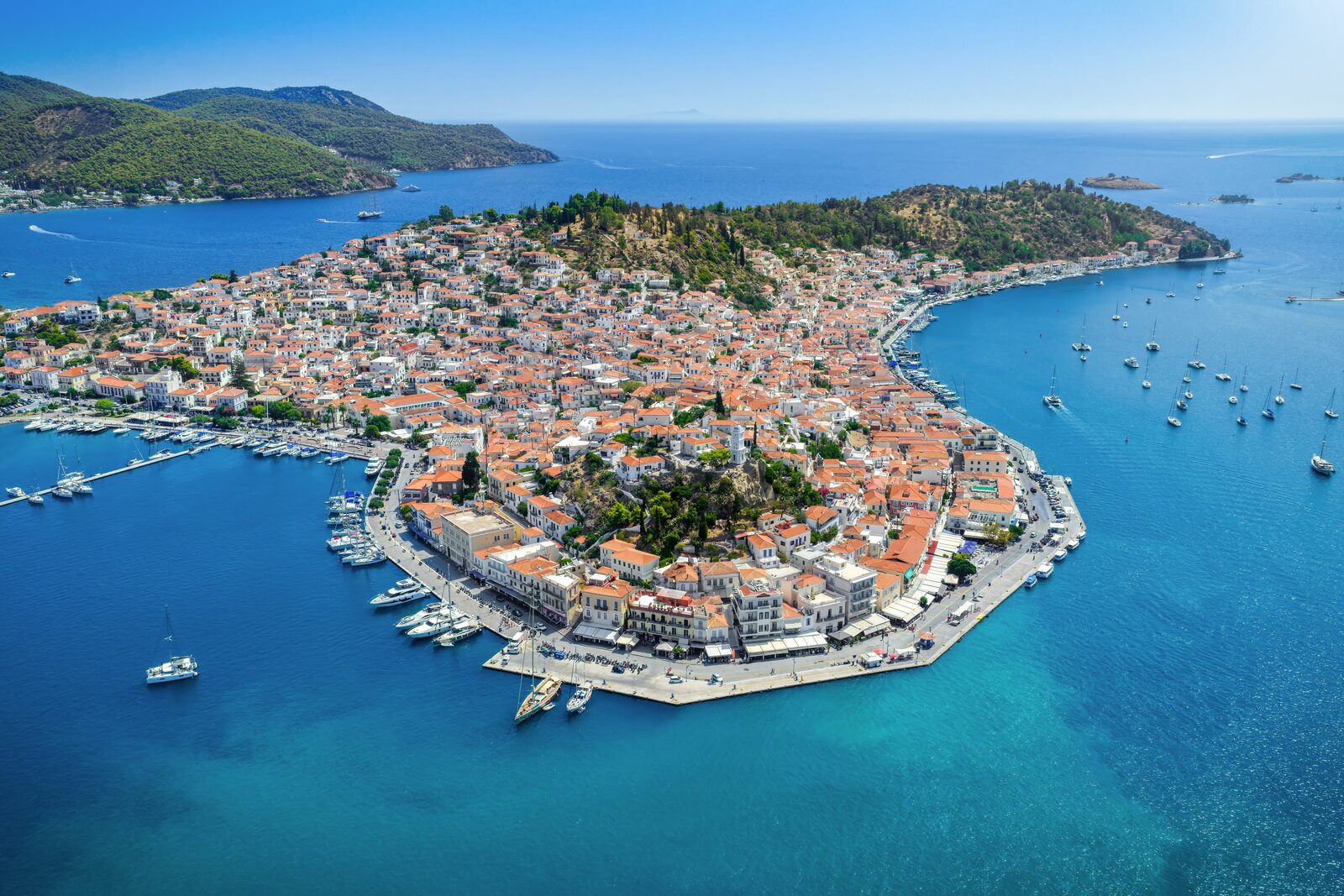
Just a short ferry ride from Piraeus, the Saronic islands make for an easy island taste. Car-free Hydra charms with its stone mansions and donkey-lined harbor; Aegina is known for its pistachios and a graceful ancient temple; and laid-back Poros offers pine-clad hills and calm waters.
Corinth, Mycenae & Epidaurus
A day in the Peloponnese and Argolis threads together legends and engineering marvels: the dramatic Corinth Canal, the Mycenaean citadel and Lion Gate of Agamemnon\'s capital, and the ancient theater of Epidaurus, whose acoustics are so perfect a whisper carries to the topmost row.
The Meteora Monasteries
For one of Greece\'s most awe-inspiring landscapes, the monasteries of Meteora seem to float atop towering pillars of rock. Because they lie farther north, this is best enjoyed as a longer excursion — often an overnight trip — but the otherworldly scenery makes every mile worthwhile.
Where to Stay in Athens: Luxury Hotels
Many travelers arrive in Athens to begin or conclude a luxury Greek Isles cruise or upscale escorted tour. Top Athens luxury hotels popular for pre- or post-cruise/tour stays include:

Hotel Grande Bretagne, Athens
The grande dame of Athenian hotels, this landmark on Syntagma Square has welcomed dignitaries and royalty since the 19th century. Its rooftop restaurant and pool deliver an unforgettable, head-on view of the Acropolis.
The Dolli at Acropolis
An intimate, design-forward retreat in a restored neoclassical mansion at the edge of the Plaka, steps from the ancient sites. Its rooftop pool and dining terrace frame the Parthenon beautifully.
King George, a Luxury Collection Hotel
A refined neoclassical hotel just off Syntagma Square, prized for its personal service, opulent suites, and a celebrated rooftop restaurant gazing across to the Acropolis.
Four Seasons Astir Palace Hotel Athens
A serene resort escape on the Athens Riviera at Vouliagmeni, set on a private peninsula with its own beaches, lush grounds, and acclaimed restaurants — a short drive from the city\'s ancient core.
Stay at Athens's Finest Hotels — with Guaranteed VIP Perks
Booking a Athens hotel through Pavlus's SELECT Hotels & Resorts collection costs no more than the standard nightly rate — and every stay includes five guaranteed VIP amenities, plus one property-specific perk:
- $100 property credit
- Daily breakfast for two
- Room upgrade on arrival
- Early check-in / late check-out
- Complimentary Wi-Fi
Helpful Athens Resources
Athens Travel Tips
Best Time to Visit Athens
Spring (April through June) and fall (September through October) are the finest times to visit Athens, with comfortable temperatures and thinner crowds at the major sites. Summers can be very hot, so plan sightseeing for the cooler morning and evening hours; winters are mild but quieter.
How Many Days Should You Spend in Athens?
- With one day, focus on the essentials: the Acropolis and Parthenon, the Acropolis Museum, and a stroll through the Plaka.
- Two to three days is the sweet spot, adding the Ancient Agora, the National Archaeological Museum, a market or rooftop meal, and a sunset from Lycabettus Hill.
- Four or five days lets you fold in a day trip such as Cape Sounion, Delphi, or a Saronic island — or to begin or end a Greek Isles cruise.
Is Athens Safe for Tourists?
Athens is generally a safe city to explore. The main concern is petty theft: stay alert and keep an eye on your belongings in crowded spots, particularly on the metro and around busy areas such as Monastiraki and Omonia, where pickpocketing can occur.
How Can Visitors Get Around Athens?
The compact historic center is wonderfully walkable, with many top sites linked by pedestrian promenades. For longer hops, the clean, modern metro is fast and inexpensive, and taxis and ride-hailing apps are readily available throughout the city.
Getting There: How Do Travelers Reach Athens?
Travelers can reach Athens by air or, for cruisers, through its historic port.
- Athens International Airport (Eleftherios Venizelos) handles nonstop and connecting flights from many U.S. and European cities.
- A direct metro line links the airport to the city center, alongside express buses, taxis, and private luxury car transfers.
- The port of Piraeus, just southwest of the city, is one of the Mediterranean\'s major cruise hubs and the main ferry gateway to the Greek Isles — a leading embarkation point for Greek Isles cruises.
- Tour operators and cruise lines may also offer guests airport-to-city (or port) transfers, depending on the itinerary and inclusions. Talk with your personal travel planner about the options based on your booking details.
Frequently Asked Questions About Athens
What is Athens best known for?
Athens is celebrated as the birthplace of democracy and the cradle of Western civilization, best known for the Acropolis and the Parthenon, its wealth of ancient ruins and museums, the lively Plaka neighborhood, and a warm Mediterranean food and café culture.
Is Athens worth visiting?
Yes. Few cities pack so much history into one place. Athens pairs world-famous antiquities with excellent museums, atmospheric old quarters, friendly tavernas, and easy access to the Greek islands, making it rewarding for first-time and returning travelers alike.
Is Athens a good cruise port?
Yes. The port of Piraeus near Athens is one of the leading embarkation points for Greek Isles and Eastern Mediterranean cruises, and a popular port of call. Many cruise guests add a pre- or post-cruise land stay to explore the Acropolis and the rest of the city.
What foods should I try in Athens?
Don't miss souvlaki and gyros, moussaka, a Greek salad with feta, creamy tzatziki, grilled fresh seafood, and a spread of meze plates paired with ouzo or tsipouro. Save room for honey-soaked baklava and a strong Greek coffee.
What are the best day trips from Athens?
Popular day trips include Cape Sounion and the Temple of Poseidon, the ancient sanctuary of Delphi, the Saronic islands of Hydra, Aegina and Poros, and the Peloponnese sites of Corinth, Mycenae and Epidaurus. With more time, the cliff-top Meteora monasteries make a memorable longer excursion.
How many days should you spend in Athens?
Two to three days is the sweet spot for the Acropolis, the major museums, and the historic neighborhoods. Add a day or two if you want to fold in a day trip such as Cape Sounion or Delphi, or to begin or end a Greek Isles cruise.
What are the basics visitors need to know about language, currency and voltage?
Greek is the official language, and English is widely spoken in hotels, restaurants, and tourist areas. The currency is the euro. Greece's electrical grid uses 230V at 50 Hz with Type C and Type F plugs, so travelers from the U.S. will need a plug adapter.