Floating serenely on a shimmering lagoon at the head of the Adriatic Sea, Venice is a city quite unlike any other — a place where streets are made of water, taxis are boats, and a thousand years of art and ambition rise straight from the tides. Venetians have long called it La Serenissima, "the most serene," and the name still fits.
Built across more than a hundred small islands and laced together by canals and footbridges, Venice grew from a refuge in the marshes into one of the great maritime and trading powers of the medieval and Renaissance world. That wealth and worldliness are written into every palazzo, mosaic, and gilded church along the Grand Canal.
This Venice travel guide highlights the best things to do in Venice, top attractions, where to eat, luxury hotels, day trips, and practical travel tips to help you plan an unforgettable visit. Many travelers experience this romantic Italian destination via a luxury cruise, a city stay, or an upscale escorted tour.
Best Things to Do in Venice
St. Mark's Square & St. Mark's Basilica
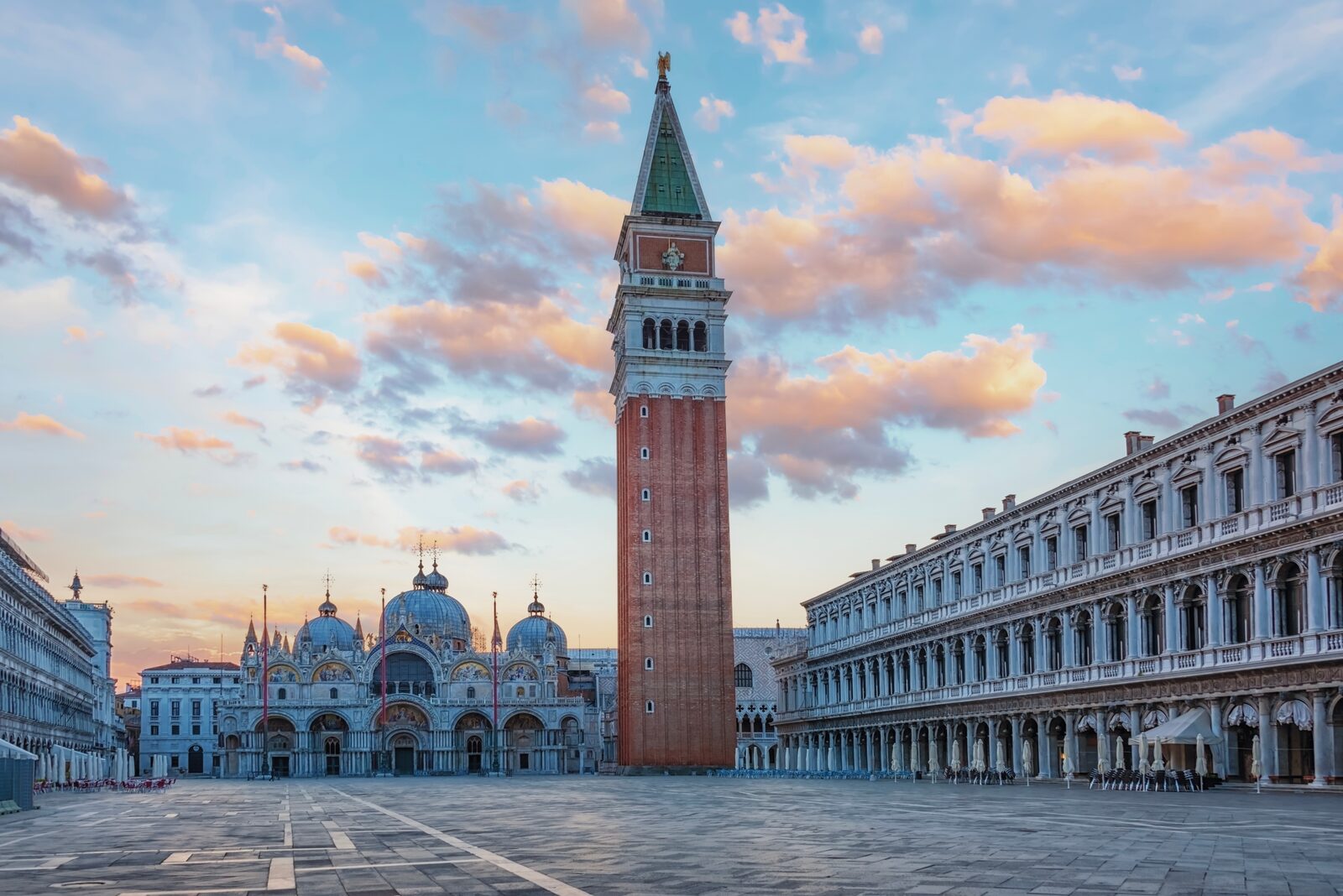
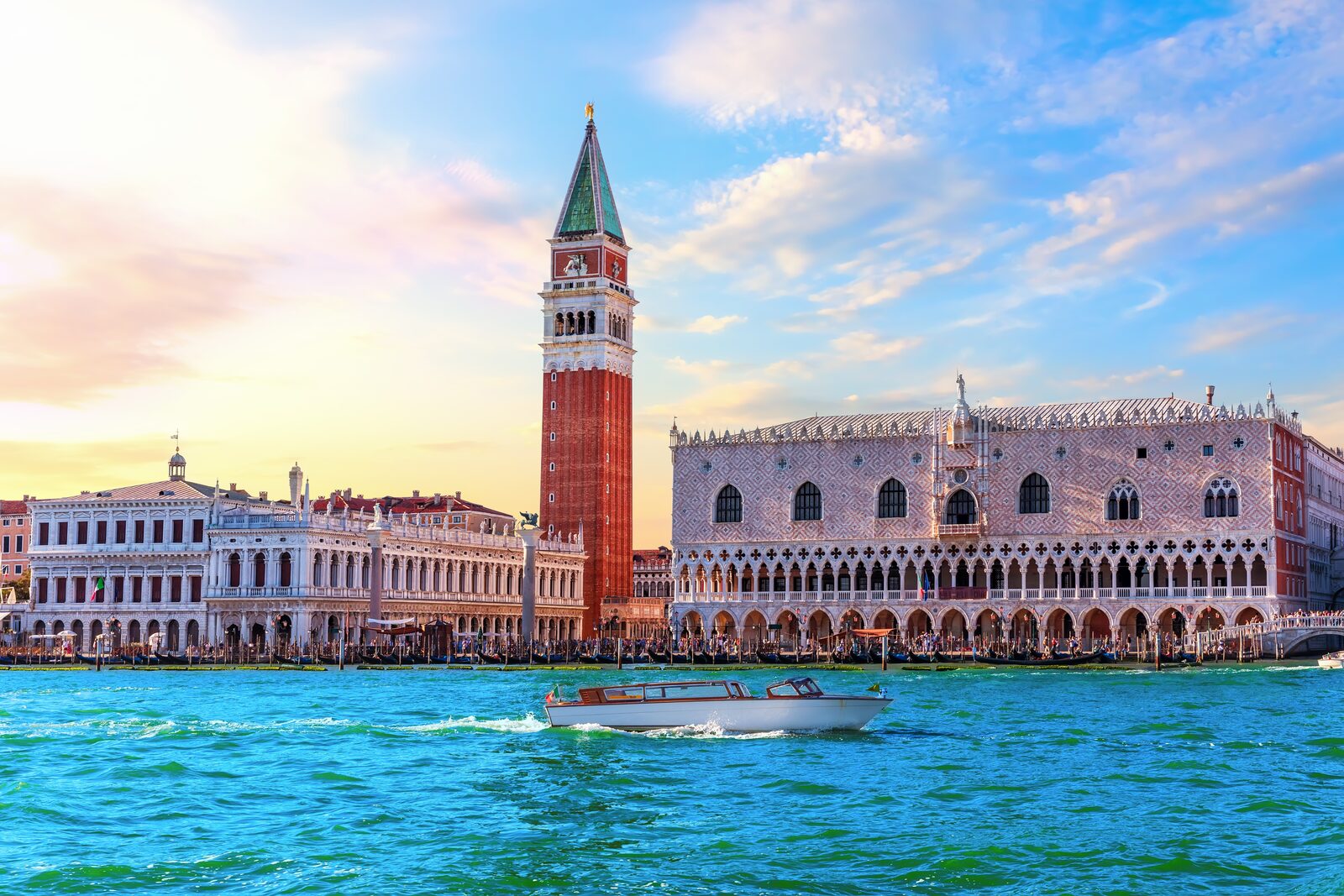
The grand heart of Venice is Piazza San Marco (St. Mark's Square), the city's only true piazza and a sweeping stage framed by arcades, cafés, and the soaring brick Campanile bell tower. Napoleon is often said to have called it "the drawing room of Europe," and on a quiet morning it is easy to see why.
Presiding over the square is St. Mark's Basilica, a dazzling Italo-Byzantine cathedral crowned with domes and clad inside in some 8,000 square meters of golden mosaics. Don't miss the gilded bronze horses and the jewel-encrusted altarpiece known as the Pala d'Oro. Modest dress is required, and reserving an entry time in advance helps you skip the longest lines.
The Doge's Palace & the Bridge of Sighs
Beside the basilica stands the Doge's Palace (Palazzo Ducale), the pink-and-white Gothic seat of Venetian power for centuries. It was at once the residence of the elected doge, the meeting place of the republic's councils, and the city's courts and prisons. Inside, opulent halls glow with paintings by Venetian masters such as Tintoretto and Veronese.
From the palace, a covered limestone walkway arches over a narrow canal to the old prisons: the famous Bridge of Sighs. According to legend, the name comes from the sighs of prisoners catching their last glimpse of Venice through its small windows. A guided "secret itineraries" tour reveals the palace's hidden passages and cells.
The Grand Canal & a Gondola or Vaporetto Ride
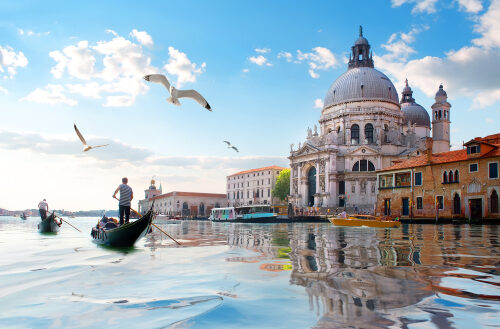
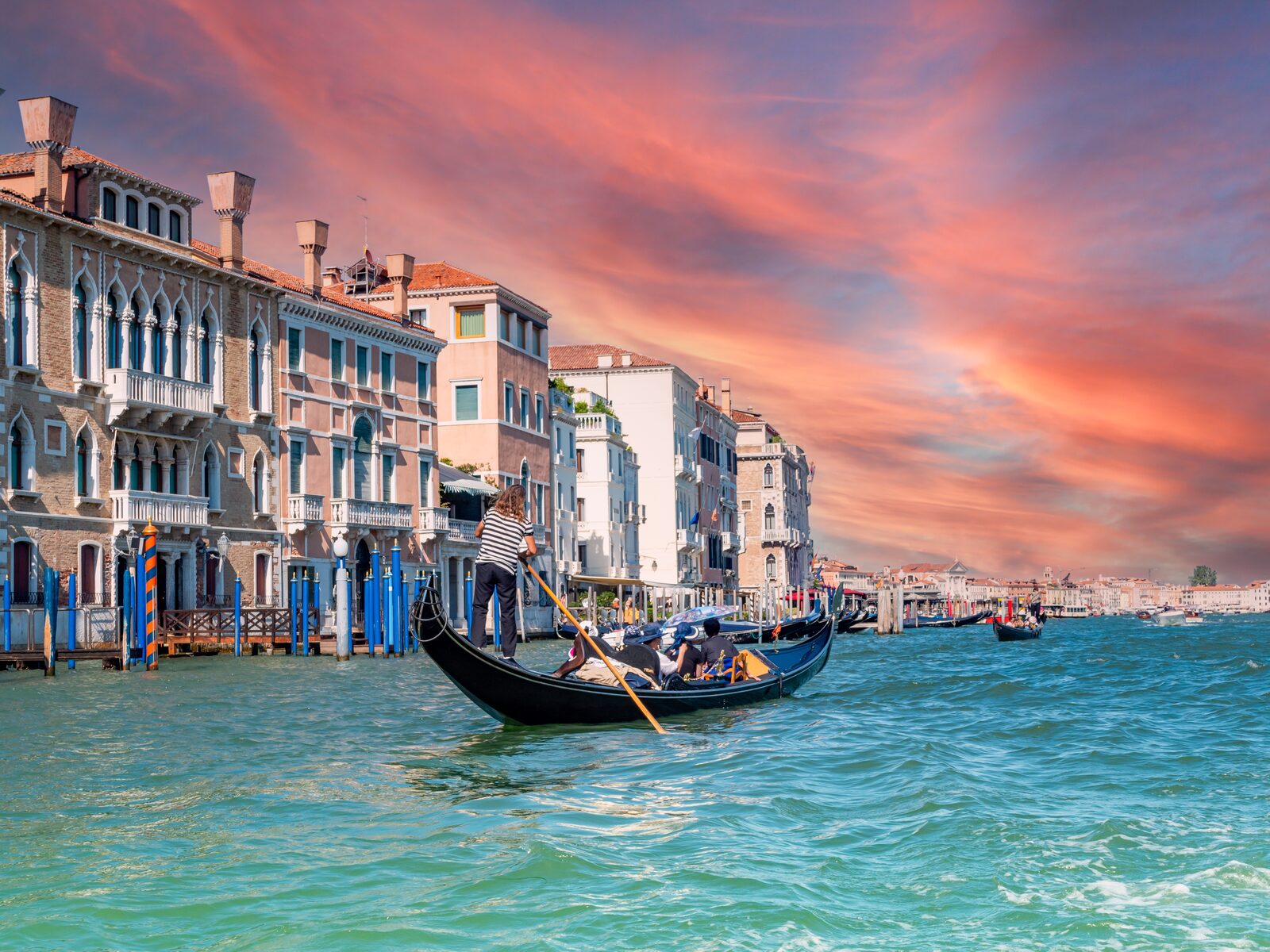
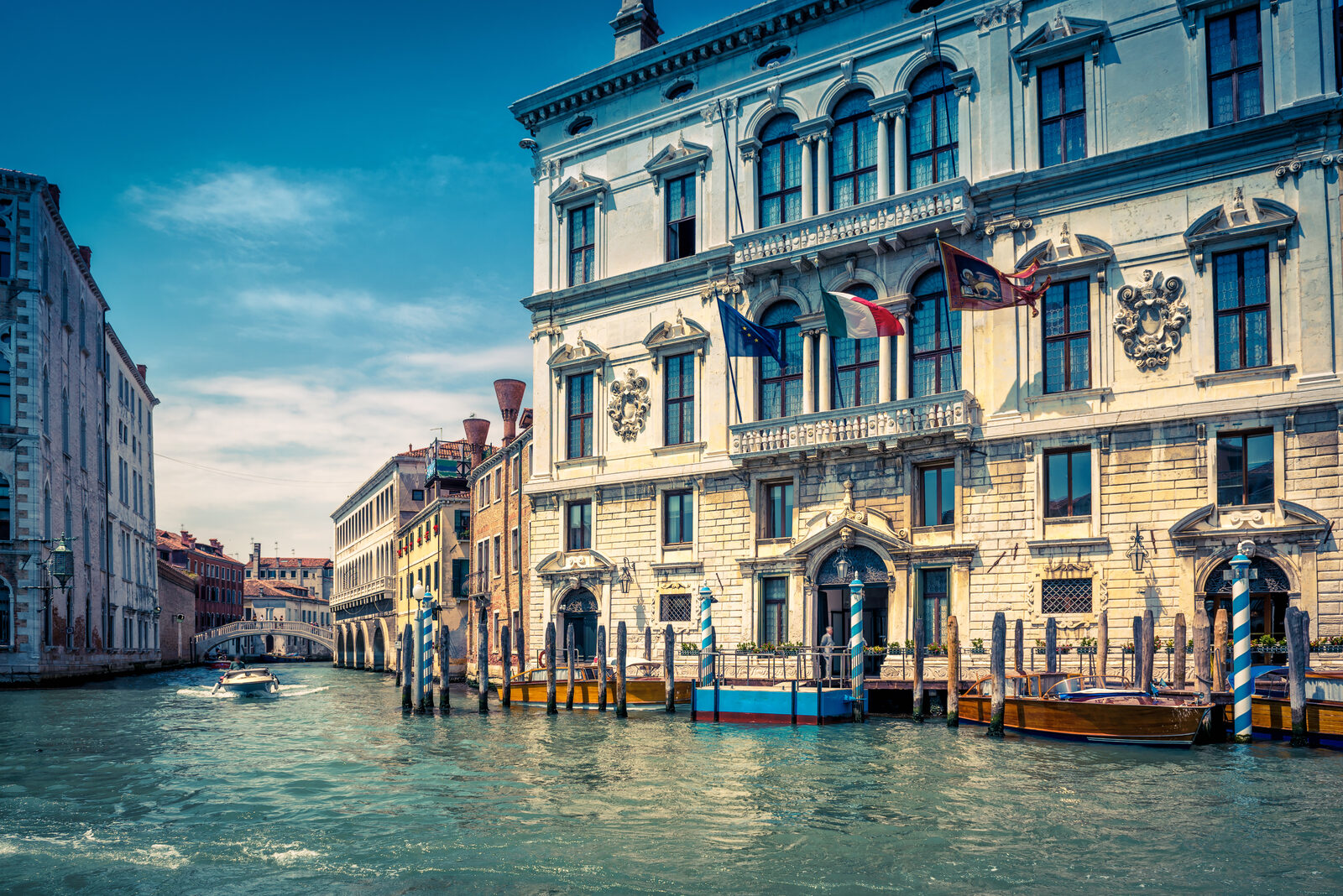
Sweeping through the city in a graceful reverse "S," the Grand Canal is Venice's main thoroughfare, lined with more than a hundred palaces that once belonged to the city's leading families. There is no finer introduction to Venice than to travel its length by water, watching the façades, churches, and market quays glide past.
The classic experience is a gondola ride, the sleek black boat that has plied these waters for centuries; agree on the route and fare before stepping aboard. For an everyday alternative that locals use, hop on a vaporetto (water bus). Riding Line 1 the length of the Grand Canal is one of the best-value views in all of Italy.
The Rialto Bridge & Market
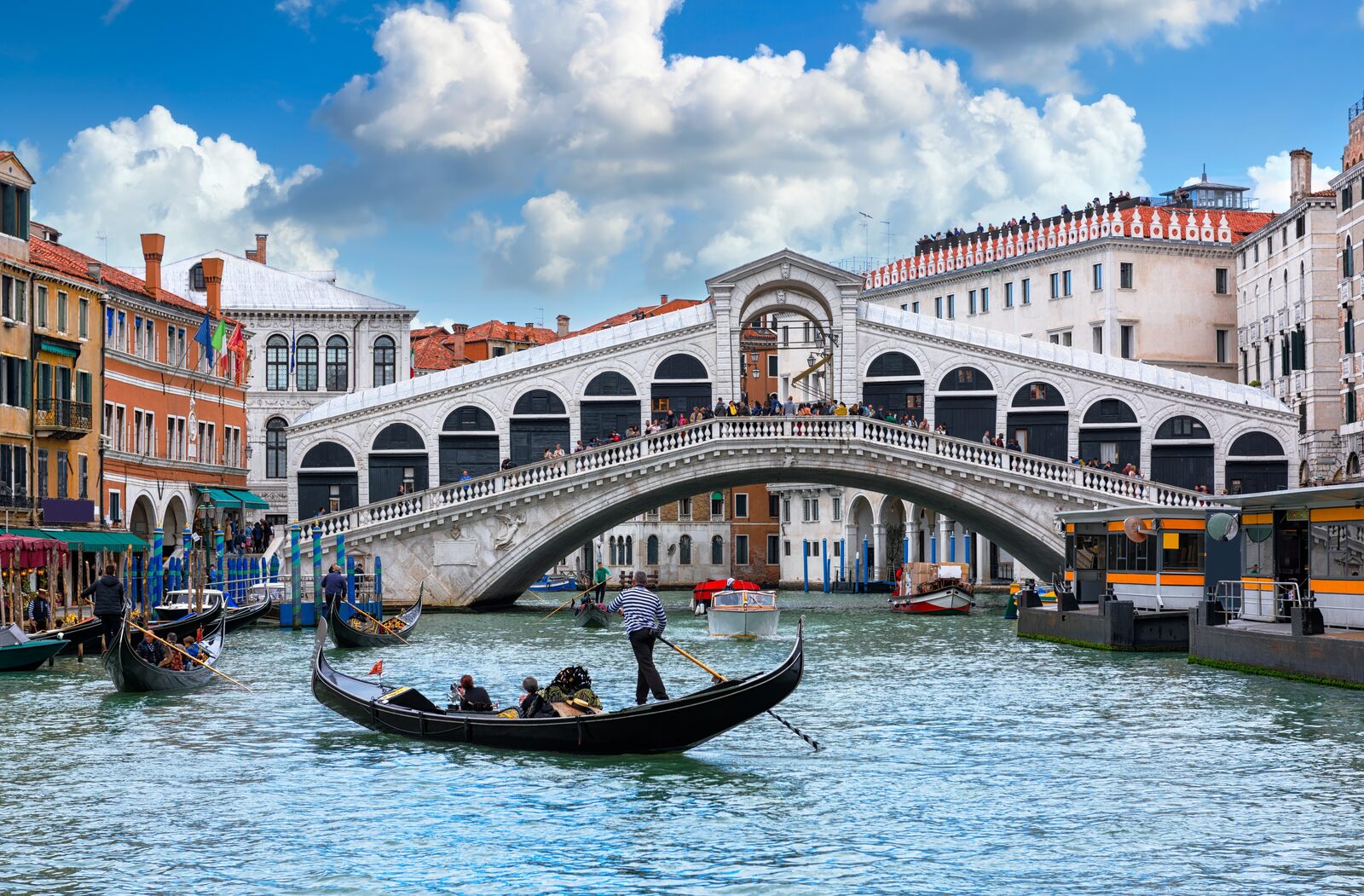
For centuries the Rialto Bridge was the only crossing over the Grand Canal, and its single graceful stone arch — lined with little shops — remains one of the city's most photographed landmarks. The views up and down the canal from its steps are superb, especially early or late in the day.
Just beyond lies the Rialto Market, the city's commercial heart since the Middle Ages. The lively fish market (Pescheria) and produce stalls (Erberia) bustle in the morning with gleaming lagoon seafood and seasonal vegetables — an authentic, atmospheric corner of working Venice and a wonderful place to graze on cicchetti.
The Islands of Murano & Burano
A short vaporetto ride across the lagoon brings you to two of Venice's most beloved islands. Murano has been the home of Venetian glassmaking since 1291, when the republic moved its furnaces here to reduce the risk of fire. Today you can watch master glassblowers at work and browse showrooms full of chandeliers, sculpture, and jewelry.
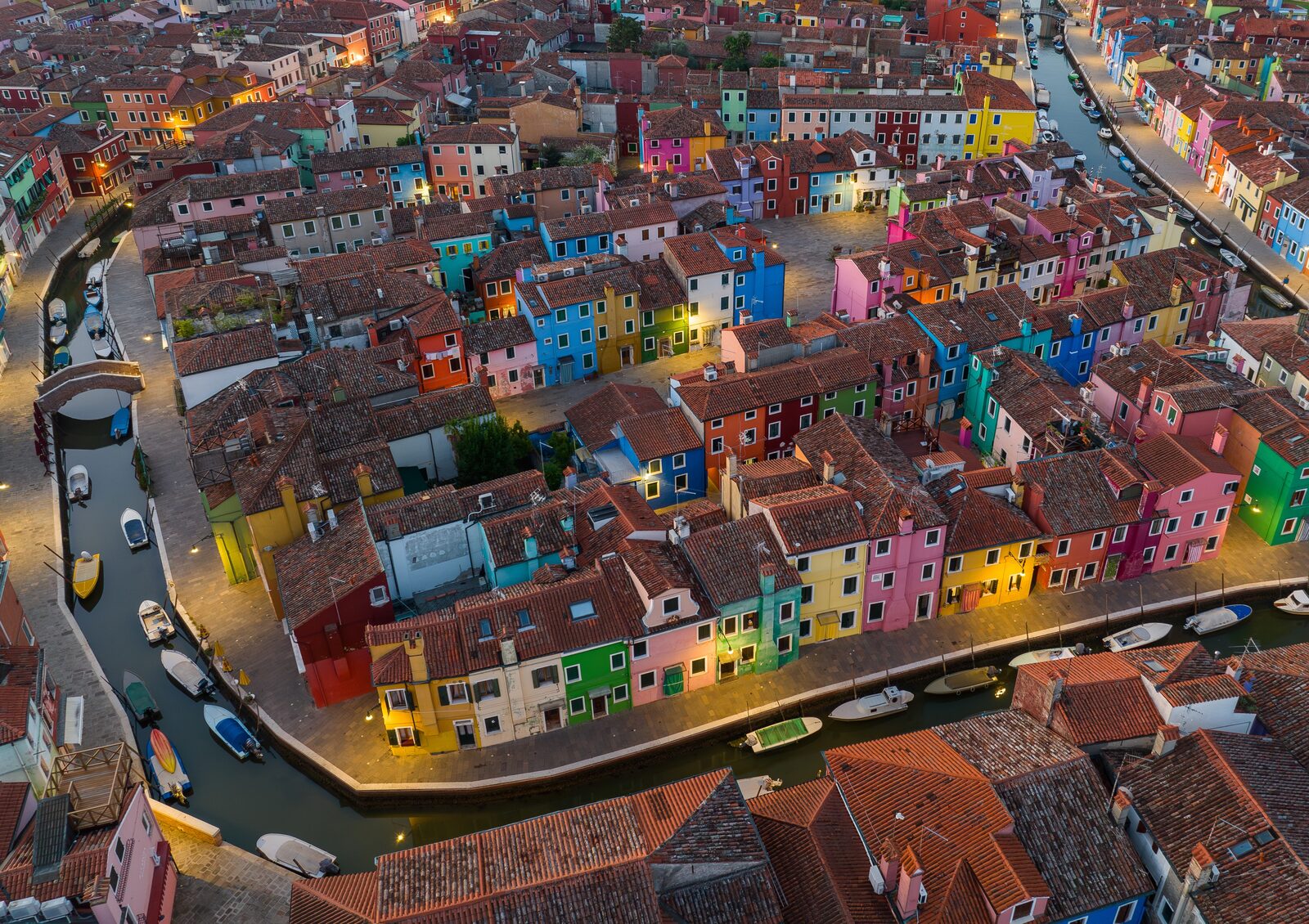
Farther out, Burano is a riot of color — its fishermen's houses painted in bold blues, greens, pinks, and yellows, said to help sailors find home through the lagoon mist. The island is also celebrated for its delicate handmade lace, and its leaning bell tower adds to the postcard charm.
Venice's Art Treasures
Venice gave the world a luminous school of painting, and the Gallerie dell'Accademia gathers its greatest masterpieces — works by Bellini, Giorgione, Titian, Tintoretto, Veronese, and other Venetian masters spanning the 14th to 18th centuries. It is essential viewing for anyone who loves Renaissance art.
For a complete change of register, the Peggy Guggenheim Collection occupies the late American heiress's canal-side home, the Palazzo Venier dei Leoni. Its compact, brilliant holdings of Cubist, Surrealist, and abstract works — Picasso, Pollock, Ernst, and more — make it one of Italy's finest modern-art museums.
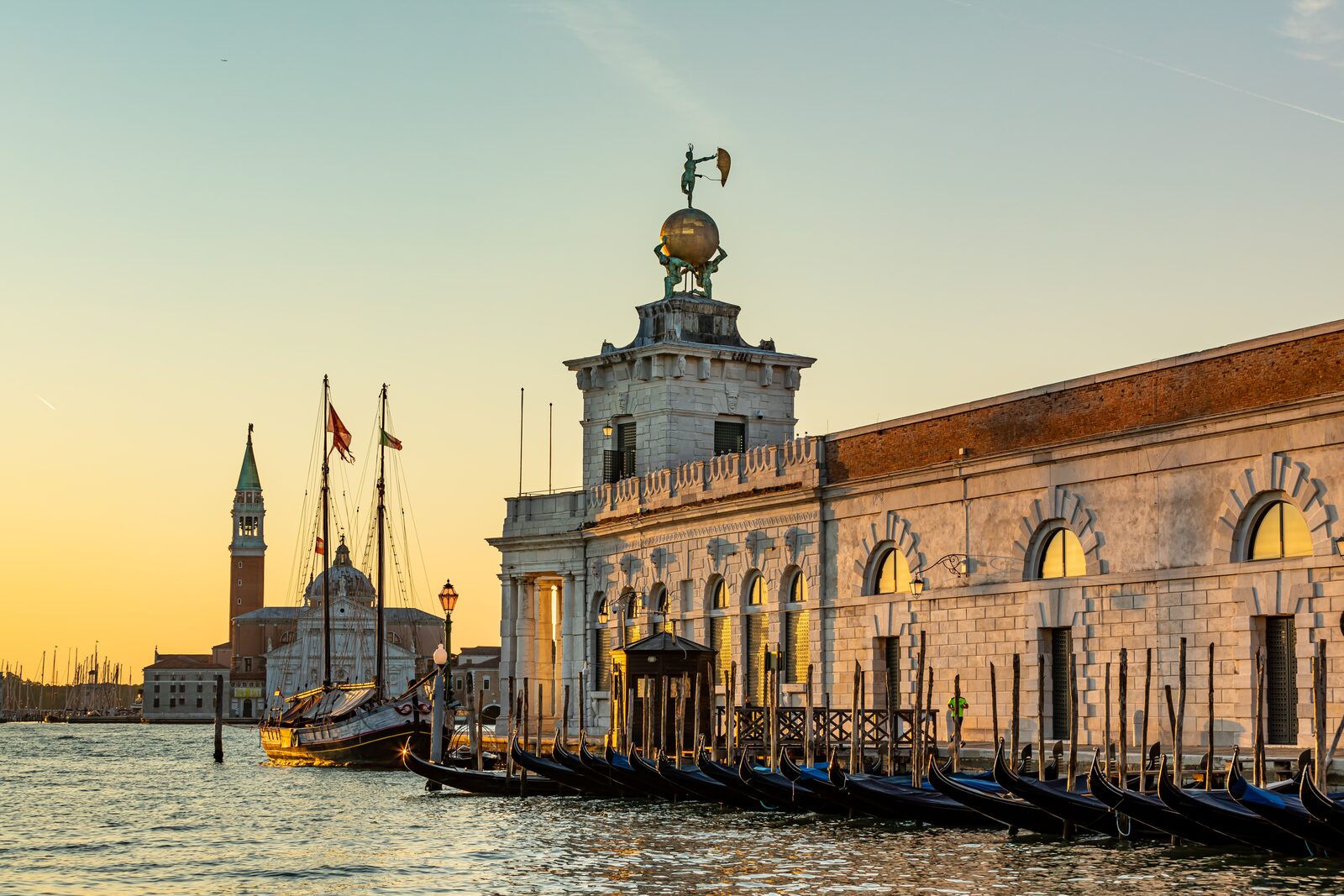
One of the great pleasures of Venice is simply getting lost. Step a few bridges away from St. Mark's and the Rialto and the crowds thin dramatically, leaving you to quiet canals, neighborhood squares, and tiny artisan workshops. Wander the Dorsoduro and Cannaregio districts in the early morning or after dinner, when the light softens and the city feels almost entirely your own.
Plan visits to the major sights for early or late in the day, and reserve timed-entry tickets in advance wherever possible. Pack comfortable, water-resistant shoes — you will walk far more than you expect — and remember that Venice has no cars, so everything you bring must be carried over bridges and steps.
Where to Eat in Venice
Venetian cooking is rooted in the lagoon and the Adriatic, with the city's centuries as a spice-trading power adding sweet, sour, and aromatic notes you won't find elsewhere in Italy. From standing-room wine bars to candlelit dining rooms, here is a taste of how to eat well in Venice.
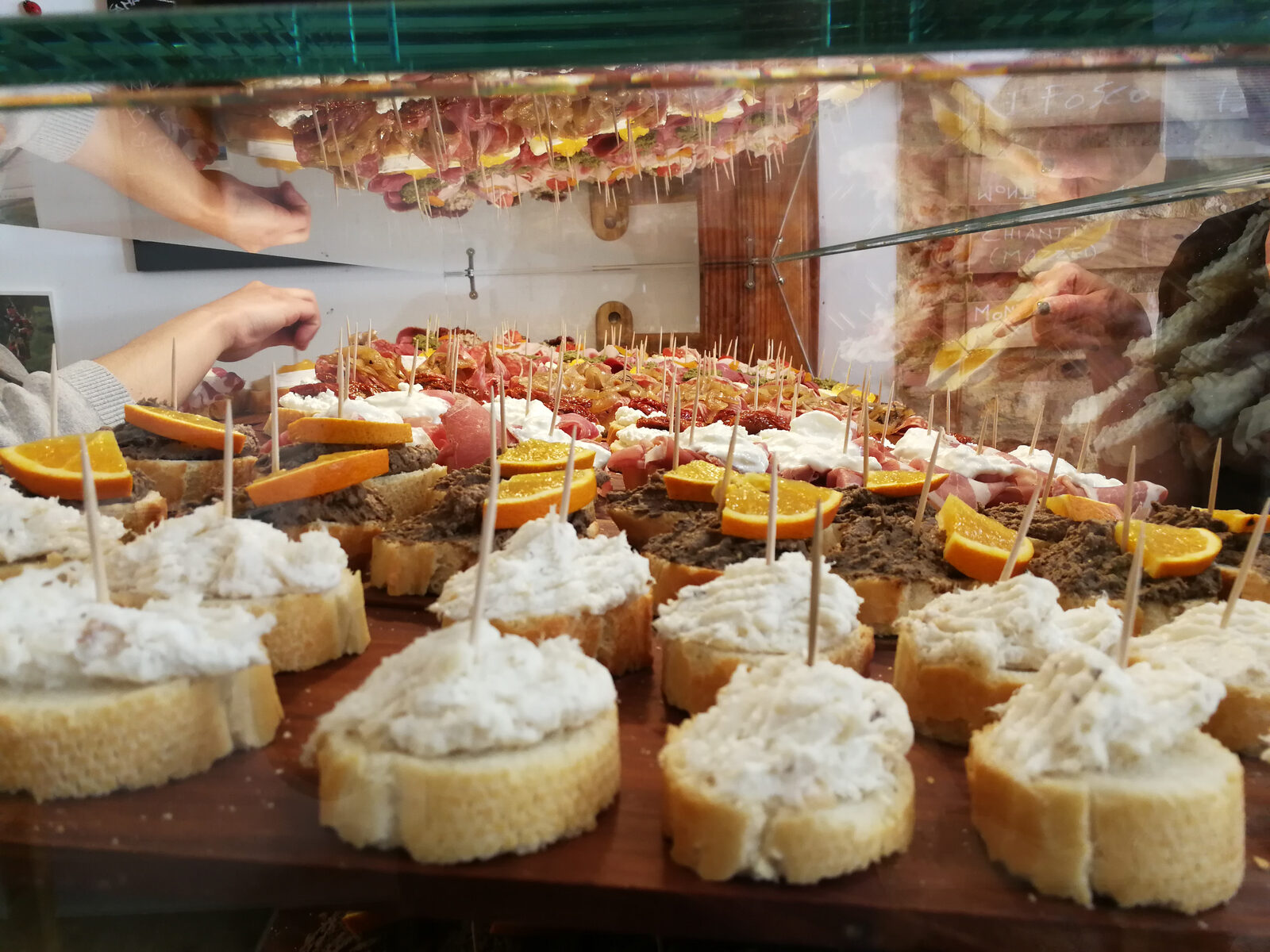
Cicchetti & Bàcari
The most authentic way to eat in Venice is a giro di ombre — a crawl between bàcari, the city's small, atmospheric wine bars. Order cicchetti (bite-sized snacks such as crostini, fried seafood, and meatballs) and pair them with a small glass of wine known as an ombra.
Sarde in Saor
A signature Venetian antipasto, sarde in saor features fried sardines marinated with sweet-and-sour onions, pine nuts, and raisins. The sweet-savory technique dates to the days when sailors needed to preserve fish on long voyages.
Lagoon Seafood & Risotto
Look for fresh fish and shellfish from the lagoon and Adriatic, often featured in a creamy Venetian seafood risotto, risotto al nero di seppia (with cuttlefish ink), or spaghetti alle vongole. The catch at the Rialto Market sets the menus across the city.
An Aperol or Select Spritz
The spritz was practically born in the Veneto, and Venetians take their aperitivo seriously. Sip one made with bittersweet Aperol or the local Select before dinner — ideally at a canal-side table as the light turns golden over the water.
Michelin-Starred Dining
For a special occasion, Venice offers refined fine dining. Glam Enrico Bartolini, at the Palazzo Venart, holds two Michelin stars, while Ristorante Quadri, overlooking St. Mark's Square, holds one. Reserve well ahead, as tables are limited.
Best Day Trips from Venice
Venice makes a superb base for exploring the wider Veneto and beyond. From lagoon islands to romantic cities, vineyard-draped hills, and alpine peaks, a wealth of memorable day trips lie within easy reach.
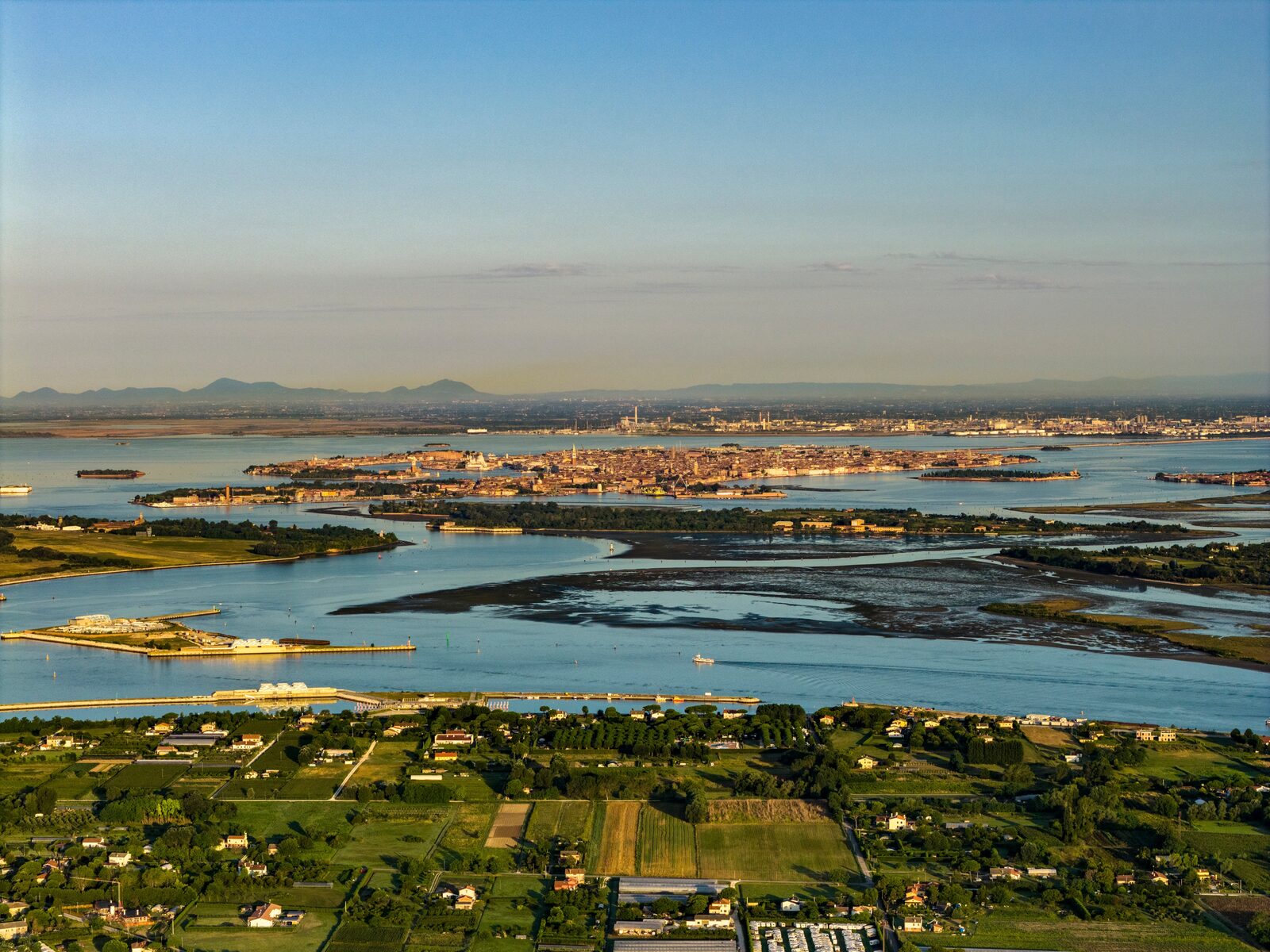
Murano, Burano & Torcello
The classic lagoon outing strings together three islands: Murano for its glass furnaces, Burano for its painted houses and lace, and tranquil Torcello, the lagoon's oldest settlement, home to a Byzantine cathedral with shimmering mosaics. Frequent vaporetti make it easy to combine all three in a day.
Verona
About an hour and a quarter away by fast train, romantic Verona is the city of Romeo and Juliet. Highlights include a remarkably intact Roman amphitheater (the Arena), the medieval Piazza delle Erbe, and the balcony associated with Shakespeare's star-crossed lovers.
Padua (Padova)
Just a short train ride from Venice, the venerable university city of Padua rewards visitors with Giotto's breathtaking frescoes in the Scrovegni Chapel, the vast Basilica of St. Anthony, and one of the world's oldest botanical gardens.
The Prosecco Hills
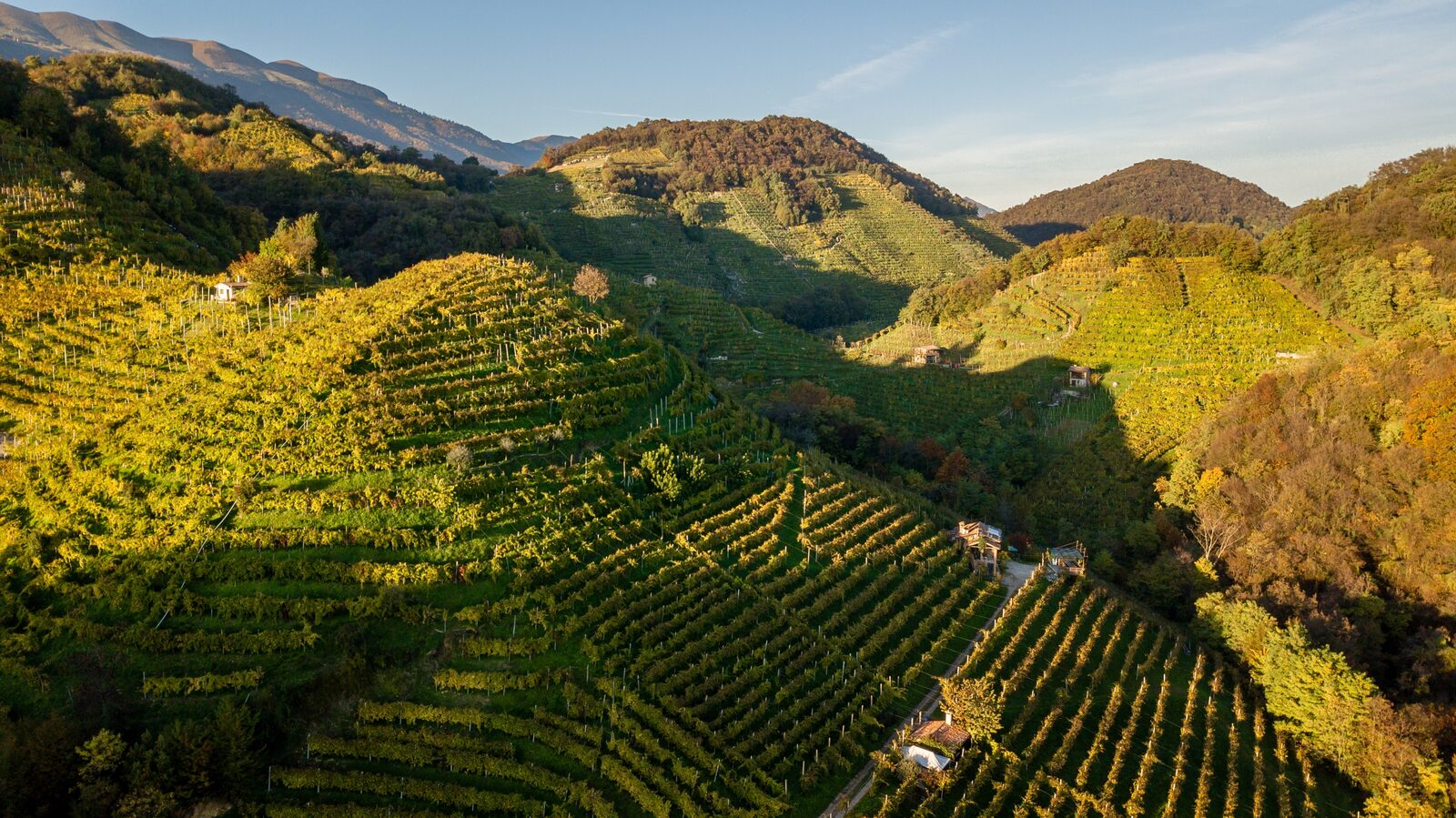
North of Venice, the rolling vineyard hills around Valdobbiadene and Conegliano — a UNESCO World Heritage Site — produce Italy's famous sparkling Prosecco. A drive along the scenic wine road, with tastings at family-run cellars, makes for a relaxed and delicious day.
The Dolomites
For dramatic mountain scenery, the jagged peaks of the Dolomites rise to the north. While a full visit deserves more time, day excursions reach gateway towns and lookouts where you can take in the pale, soaring rock walls that turn rose-gold at sunset.
The Venice Lido
A thin barrier island separating the lagoon from the Adriatic, the Lido offers sandy beaches, genteel early-20th-century villas, and a more relaxed pace. It is an easy vaporetto ride from the center and home each autumn to the celebrated Venice Film Festival.
Where to Stay in Venice: Four Luxury Hotels
Many travelers arrive in Venice to begin or conclude a luxury cruise or upscale escorted tour. Top Venice luxury hotels popular for pre- or post-cruise/tour stays include:
The Gritti Palace
A storied 15th-century palazzo on the Grand Canal, beloved for its antiques-filled salons, celebrated terrace restaurant, and unmatched views toward Santa Maria della Salute.
Hotel Cipriani, A Belmond Hotel, Venice
A serene island retreat on Giudecca, with lush gardens, a saltwater pool, and a short private launch ride to St. Mark's Square just across the water.
Danieli, A Four Seasons Hotel, Venice
A landmark of Venetian-Gothic grandeur steps from the Doge's Palace, blending centuries of opulent heritage with contemporary Four Seasons service.
Baglioni Hotel Luna
An elegant, history-rich hotel moments from St. Mark's Square, prized for its refined interiors and a frescoed ballroom near the waterfront.
Stay at Venice's Finest Hotels — with Guaranteed VIP Perks
Booking a Venice hotel through Pavlus's SELECT Hotels & Resorts collection costs no more than the standard nightly rate — and every stay includes five guaranteed VIP amenities, plus one property-specific perk:
- $100 property credit
- Daily breakfast for two
- Room upgrade on arrival
- Early check-in / late check-out
- Complimentary Wi-Fi
Helpful Venice Resources
Venice Travel Tips
Best Time to Visit Venice
Spring (April through June) and fall (September through October) bring the most pleasant weather and beautiful light. Summer can be hot, humid, and very crowded, while late autumn and winter sometimes bring acqua alta — periodic high tides that temporarily flood low-lying areas such as St. Mark's Square. Raised walkways are set out when the water rises, and the city is at its most atmospheric in the quieter, cooler months.
How Many Days Should You Spend in Venice?
- One day lets you take in the essentials — St. Mark's Square, the Basilica, the Doge's Palace, and a glide along the Grand Canal — though it goes quickly.
- Two to three days is the sweet spot for most travelers, adding time to wander quiet neighborhoods and visit the lagoon islands of Murano and Burano.
- Four or five days is ideal if you want to explore at a relaxed pace and fit in a day trip to Verona, Padua, or the Prosecco hills.
Is Venice Safe for Tourists?
Venice is one of Europe's safer cities, with very little violent crime. The main concern is pickpocketing in the most crowded spots, such as around St. Mark's Square, the Rialto, and busy vaporetto stops, so keep an eye on your belongings. Take care on slippery steps and bridges, especially when canals are high.
How Can Visitors Get Around Venice?
Venice has no cars — you explore on foot and by boat. Most of the historic center is best seen on foot across its bridges and lanes, while vaporetti (public water buses) connect the Grand Canal, the outer districts, and the lagoon islands. Water taxis offer faster door-to-door service at a premium, and a gondola ride remains a quintessential, if splurge-worthy, Venetian experience.
Getting There: How Do Travelers Reach Venice?
- By air: Venice Marco Polo Airport, on the mainland north of the lagoon, handles international and connecting flights, with water taxis, the shared Alilaguna boat, and land transfers into the city.
- By train: fast and regional trains arrive at Venezia Santa Lucia station, right on the Grand Canal, with onward vaporetto or water-taxi connections.
- By cruise: Venice is a major cruise port; note that recent restrictions route the largest ships to nearby ports such as Marghera, Ravenna, or Trieste.
- Tour operators and cruise lines may also offer guests airport-to-city (or port) transfers, depending on the itinerary and inclusions. Talk with your personal travel planner about the options based on your booking details.
Frequently Asked Questions About Venice
What is Venice best known for?
Venice is famous for being a city built on water — a maze of canals, bridges, and footpaths with no cars. It is renowned for the Grand Canal, gondolas, St. Mark's Square and Basilica, the Doge's Palace, Venetian glass from Murano, and a romantic atmosphere unlike anywhere else in the world.
Is Venice worth visiting?
Yes. Venice offers a one-of-a-kind blend of art, architecture, history, and romance set among canals and lagoon islands. Even with the crowds, exploring its quiet backstreets, riding a vaporetto down the Grand Canal, and visiting its palaces and churches make it one of the most memorable cities in the world.
Is Venice a good cruise port?
Yes. Venice is a major embarkation and disembarkation port for Adriatic and Mediterranean cruises and a popular port of call. Note that recent restrictions on the largest cruise ships route some vessels to nearby ports such as Marghera, Ravenna, or Trieste, so confirm the exact pier with your travel planner. Many guests add a pre- or post-cruise land stay to enjoy the city more fully.
What foods should I try in Venice?
Sample cicchetti (Venetian small plates) at a bàcaro wine bar, sarde in saor (sweet-and-sour sardines), a seafood risotto or fresh fish from the lagoon, and a spritz made with Aperol or Select. Save room for tiramisù, which has roots in the Veneto region.
What are the best day trips from Venice?
Popular day trips include the lagoon islands of Murano, Burano, and Torcello, the romantic city of Verona, university-town Padua, the Prosecco hills around Valdobbiadene, the Dolomites, and the beaches of the Venice Lido.
How many days should you spend in Venice?
Two to three days is the sweet spot for most travelers, allowing time for the main sights plus a lagoon-island excursion. With four or five days you can add day trips to Verona, Padua, or the Prosecco hills at a relaxed pace.
What are the basics visitors need to know about language, currency and getting there?
Italian is the official language and the currency is the euro. Italy's electrical grid uses 230V at 50 Hz with Type C, F, and L plugs, so travelers from the U.S. will need an adapter. Most visitors arrive by air via Venice Marco Polo Airport, by train into Venezia Santa Lucia station, or by cruise ship.